

Philippines struggles to buy modern military assets to strengthen its deterrence
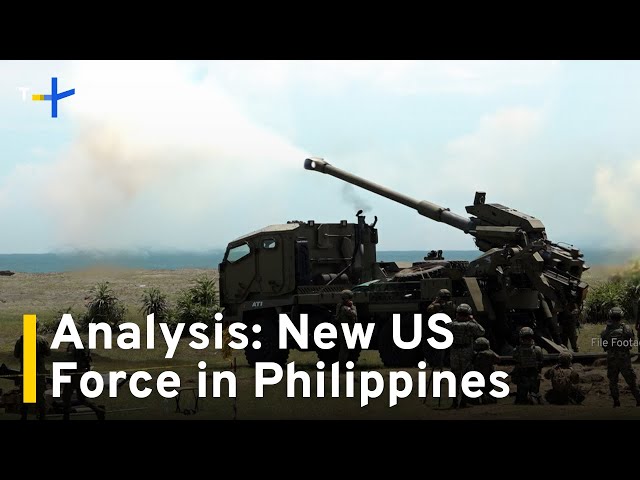
The Philippines‘ push for military modernisation is being squeezed by a ballooning pension bill for its troops as fears mount over its ability to finance newer ships, aircraft and other defence assets.
The Department of National Defence has proposed spending 142.95 billion pesos (US$2.3 billion) on military and uniformed personnel (MUP) pensions in 2027, out of a total proposed defence budget of 324.6 billion pesos.
The planned pension budget is 7 per cent higher than the 133.91 billion pesos allocated in the 2026 General Appropriations Act amid increasing calls for Manila to relook the pension system.
Do you have questions about the biggest topics and trends from around the world? Get the answers with SCMP Knowledge, our new platform of curated content with explainers, FAQs, analyses and infographics brought to you by our award-winning team.
While civilian workers typically contribute a part of their salaries to state fund systems, military and uniformed personnel are not required to make pension contributions, which are drawn from the national budget.
Proposals to legislate reforms to the pension system for the armed forces have long languished in Congress, with lawmakers warning that it is unsustainable.
The debate comes as the Philippines faces growing pressure from the US to spend more on its military.
Funds for the Armed Forces of the Philippines’ (AFP) modernisation programme next year are set to rise by 10 billion pesos to 50 billion pesos from 2026, which the Department of Budget and Management said was part of efforts to “enhance the military’s capabilities to protect the country’s sovereignty and territorial integrity”.
But the proposed pensions were nearly triple the amount set aside for the military upgrade, former finance undersecretary Cielo Magno said in an interview with The Philippine Star on Monday.
While it was important to compensate the troops fairly, “we must also confront the trade-off: resources consumed by an ever-growing pension bill are resources we cannot use to modernise our armed forces, strengthen territorial defence and fund other essential public services”, Magno said.
Defence Secretary Gilberto Teodoro Jnr pushed back on the criticism, saying only 49.6 per cent of the total pension budget was earmarked for military retirees, while the rest would be for “other security services”.
“Therefore, to equate the total MUP pension to the AFP modernisation is not accurate as a comparison indicator,” Teodoro said in a statement on Monday.
Teodoro also defended government-funded pensions for the country’s troops, saying they continued to contribute to national security efforts even in retirement. Soldiers on active duty should get their pensions funded by the national government because of their national security responsibilities, he added.
“Our soldiers address a variety of missions 365 days a year without any breaks. Our force structure is extremely lean,” Teodoro said.
“Given the fact that they must keep watch over 7,600-plus islands and 2.4 million sq km of maritime area on a purely national government basis and do services for other government entities including [local government units] … their pensions should be national-government derived,” he added.
Teodoro said discussions over budget allocations should take into account the total resources devoted to defence, adding that with “worldwide vulnerabilities”, nearly all countries “have made the conscious decision to increase defence spending in large adjustments”.
“We cannot be immune to this,” he added.
In May, US Defence Secretary Pete Hegseth urged Washington’s partners at the Shangri-La Dialogue in Singapore to spend at least 3.5 per cent of their gross domestic product on defence.
But Manila has said it would struggle to meet the target despite higher annual defence spending.
“We are a low-income country that has so many other development needs. We are in a catch-up mode, investing in defence capabilities and modernising our armed forces,” Secretary Arsenio Balisacan of the Department of Economy, Planning, and Development, said in July.
Growing financial burden
The pensions debate highlighted the recurring tug of war between budget constraints and political pressures, according to analysts.
“Military pensions have long been a problem, and to me, it points to deeper structural problems in our budget,” a security analyst, who asked not to be identified, told This Week in Asia.
The analyst said the problem was compounded by Manila’s constant push to ensure loyalty from the military.
In 2018, former president Rodrigo Duterte significantly raised the base pay of troops by 58.7 per cent, with pensions pegged against current salaries, which authorities later said had contributed to huge financial pressures.
In 2023, then-finance secretary Benjamin Diokno warned of an “imminent fiscal collapse”, with such pension payments expected to reach 1 trillion pesos by 2035.
Retired military and uniformed personnel were on average receiving eight times the pensions that civilian workers were entitled to through their contributions, Diokno added.
Magno told The Philippine Star that calls for structural pension reform had been “repeatedly deferred”.
Chester Cabalza, president and founder of the Manila-based think tank International Development and Security Cooperation, warned of the adverse impact of higher pension payments on the country’s military modernisation, with the “fiscal time bomb” ticking for taxpayers.
Cabalza said the debate over pensions was linked to motivating the military to “become more patriotic” amid a tussle among the region’s major powers.
Meanwhile, the unnamed security analyst said the defence budget’s priority should be strengthening military hardware and called for a revamp of the pension system.
“Force restructuring can be done first, which would include identifying whether the number of MUPs and the positions are still appropriate given our current defence priorities,” he said.
Calbaza argued that pensions for military personnel should be aligned with those for civil servants. He called for new troops to contribute to their pensions and local governments to partly finance pensions of uniformed personnel, such as police and prison personnel and firefighters.
“True defence requires balance,” he added.
This article originally appeared on the South China Morning Post (www.scmp.com), the leading news media reporting on China and Asia.
Copyright (c) 2026. South China Morning Post Publishers Ltd. All rights reserved.

- Previous Middle Corridor Must Cut Delays
- Next Report: US Second line siege of Hormuz does not work: China’s imports of Iranian oil ‘largely untouched’
You may also like...




Random news







About us
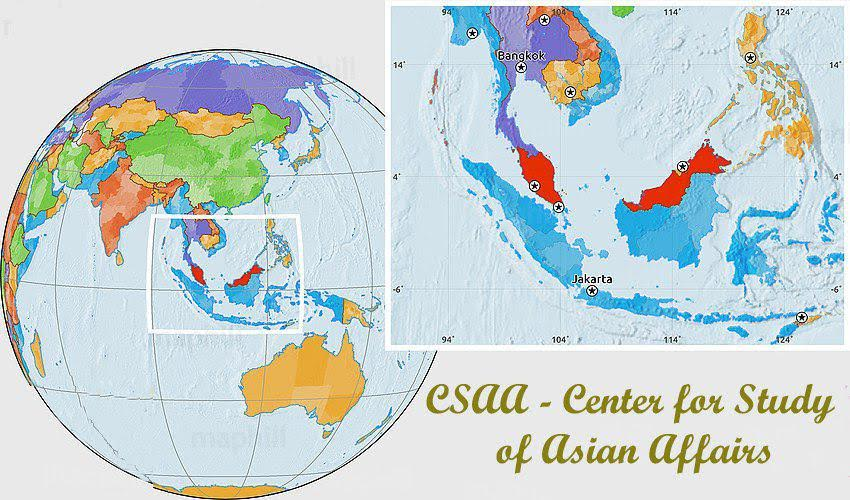
Our Newly established Center for study of Asian Affairs has
branches in Indonesia, Malaysia and Singapore, as well as freelances in some other countries.
For inquires, please contact: newsofasia.info@yahoo.com Mr.Mohd Zarif - Secretary of the Center and administer of the web-site www.newsofasia.net
Polls
 Loading ...