

With 13 years of learning and no engineering degree an Uttarakhand man builds flying car
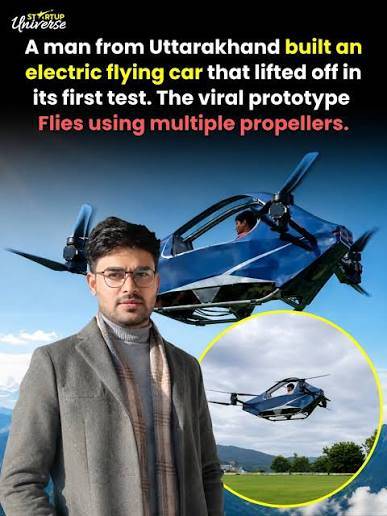
Ravi Tamta, from Uttarakhand’s Almora district, spent over a decade learning online and experimenting to develop an electric flying vehicle. With a Bachelor of Arts degree and no formal engineering education, his journey challenges conventional ideas about who gets to innovate and where learning begins.
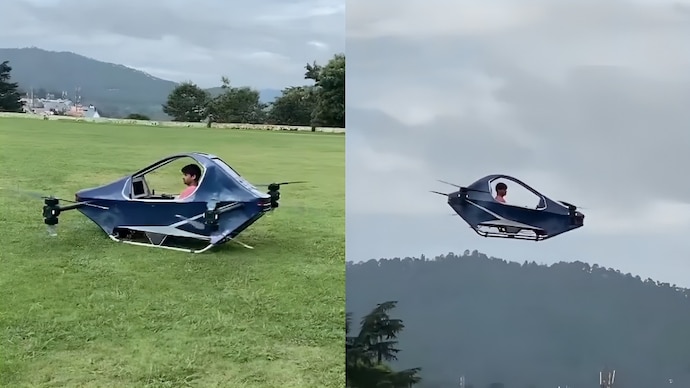
His single-seater vehicle, HAPIDA SKYNeX, completed a test flight in August, highlighting how self-directed learning can help people explore ideas beyond the classroom.
Tamta built his knowledge through the internet, years of experimentation and family support. His journey shows learning can continue beyond classrooms, though safe technology takes more than curiosity.
FROM A VILLAGE IDEA TO A FLYING PROTOTYPE
Tamta grew up in Kaflikhan, near Jageshwar Dham. The challenges of travelling through the hills, particularly when reaching a hospital means a long journey on winding roads, helped shape his interest in personal air mobility.
The prototype has a lightweight frame, cockpit and transparent canopy. It is battery-powered and does not need aviation fuel or ethanol. However, the test flight is an early milestone, not proof that the vehicle is ready to carry passengers or operate commercially.
THE INTERNET BECAME HIS LEARNING SPACE
Tamta attended junior high school in his village and later graduated with a Bachelor of Arts degree from the Nainital campus. His father, Harish Ram, is a mechanic. Without formal engineering training or a specialised laboratory, Tamta relied on online information and repeated experiments to develop his ideas.
But a flying vehicle raises complex questions about design, battery performance, stability and safety, all of which require rigorous testing and technical validation.
A HISTORY OF PRACTICAL INVENTIONS
HAPIDA SKYNeX is not Tamta’s first attempt to solve everyday problems.
His earlier creations reportedly include shoes that charge mobile phones, a smart walking stick for people with visual impairments, a bamboo-splitting machine and firefighting equipment. He has also developed a stick mobile charger and a fire extinguisher for the Forest Department.
The flying vehicle is intended to make short-distance travel across difficult terrain faster, with possible uses in remote areas and medical emergencies. But it needs further trials and regulatory approvals, including permissions from the Directorate General of Civil Aviation, before it can be used operationally.
For students, Tamta’s experience is a lesson in combining curiosity with persistence. A degree can provide foundations, while self-directed learning can help people explore ideas beyond their formal course.

- Previous India Today’s Assessment Opinion: If Netanyahu goes, will Israel’s wars and woes end?
- Next Malaysia could become a key regional data centre hub: Moody’s
You may also like...


Random news






About us
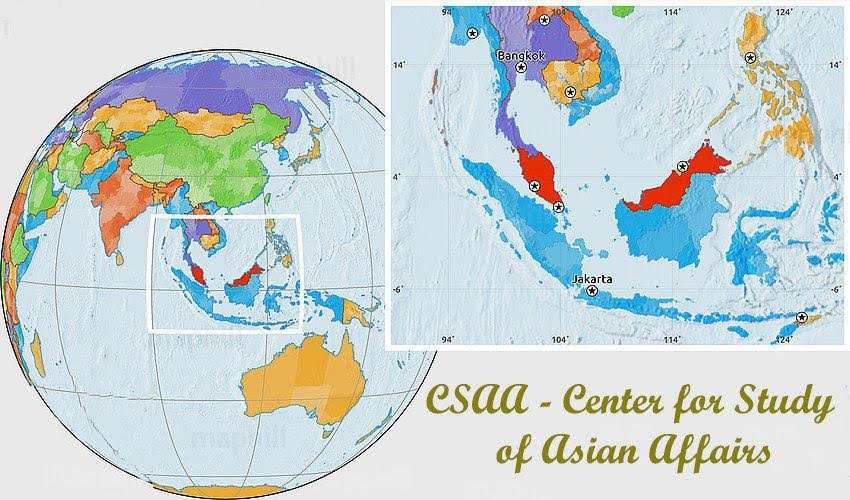
Our Newly established Center for study of Asian Affairs has
branches in Indonesia, Malaysia and Singapore, as well as freelances in some other countries.
For inquires, please contact: newsofasia.info@yahoo.com Mr.Mohd Zarif - Secretary of the Center and administer of the web-site www.newsofasia.net
Polls
 Loading ...