

Maininchi: Japan-China relations face dim outlook as Xi-Takaichi APEC contact limited to handshake
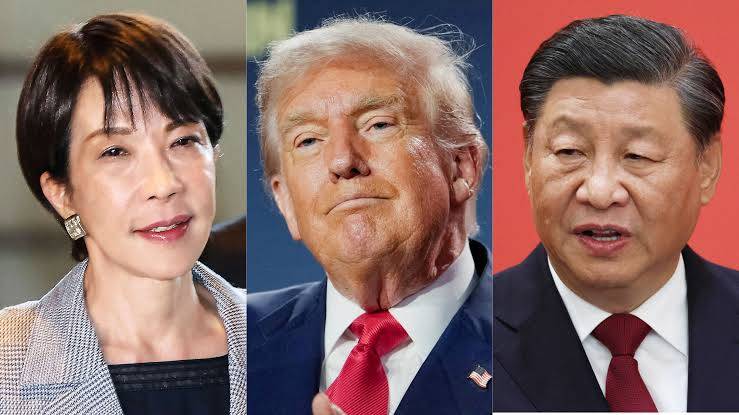


The Asia-Pacific Economic Cooperation summit opened in Shenzhen, China, on Nov. 18, but Japanese Prime Minister Sanae Takaichi’s contact with Chinese President Xi Jinping, who is chairing the meeting, went no further than a handshake. While the Japanese government had expected that a formal meeting with Takaichi would not take place, it is unusual for Japan, a major participating country, to be unable to hold talks with China’s leader.
China could step up its opposition further over Japan’s planned revision of three key national security documents at the end of the year, leaving little prospect for improvement in Japan-China relations.
Takaichi arrived at Shenzhen Baoan International Airport on the afternoon of Nov. 18, but the welcoming ceremony was modest compared with those held when U.S. President Donald Trump and Russian President Vladimir Putin arrived, highlighting a disparity in the treatment of the leaders of different countries. A senior Japanese Foreign Ministry official said, “This amounts to a diplomatic discourtesy. It is truly rude.”
Within the Japanese government, some had viewed the APEC summit in Shenzhen as a test of Japan-China relations, coming a year after ties deteriorated following Takaichi’s Diet remarks on a potential Taiwan contingency possibly representing a matter of survival for Japan.
Japanese prime ministers had held face-to-face talks with Xi on the sidelines of APEC for four consecutive years since 2022. The annual meeting had become a barometer for gauging Xi’s thinking. With China serving as the host country this time, there normally would have been an expectation of natural contact between the Japanese and Chinese leaders.
China, however, has not eased its pressure on Japan since last fall, taking measures including calls for its citizens to refrain from traveling to Japan and restrictions on rare earth exports. With the prolonged deterioration in relations also affecting the economy, Japan had told China in advance that it was “open to dialogue in Shenzhen.” China maintained its tough stance, however, and it became clear early on that holding a summit would be difficult.
Some within the Japanese government had initially contemplated a “worst-case scenario,” with a Foreign Ministry source saying, “There is even a possibility that Xi will not extend his hand to Prime Minister Takaichi at the individual photo sessions held with each country’s leader.” There was therefore some relief that Takaichi had contact with Xi for the first time in a year and shook hands with him.

There have also been changes in Japan-China relations since the summer. Delegations of Diet members and others have visited China and held meetings with senior Chinese Communist Party officials.
Former Foreign Minister Takeshi Iwaya, chairman of the Association for the Promotion of International Trade, Japan, visited China in September and held talks with Foreign Minister Wang Yi and Vice Premier He Lifeng. He elicited a degree of willingness from the Chinese side to engage in private-sector and economic exchanges with Japan.
At the same time, dialogue channels between the two governments continue to barely function. Regular exchanges of views between Japanese Vice-Minister for Foreign Affairs Takehiro Funakoshi and Chinese Ambassador to Japan Wu Jianghao are believed to be the highest-level talks currently taking place, and there is no prospect of a resumption of dialogue between the countries’ leaders or foreign ministers.
Takaichi, who has a conservative support base, continues to maintain a high Cabinet approval rating. In a recent Mainichi Shimbun opinion poll, more than 40% of respondents said Japan should “take a tougher approach toward China,” exceeding the share who said Japan should “take a more flexible approach.” Takaichi also has limited ties with lawmakers regarded as China hands.
The ruling Liberal Democratic Party is scheduled to hold its leadership election next fall. Some within the government believe that if Takaichi is reelected and continues her China policy, the deterioration in Japan-China relations could become even more prolonged. The hurdle to resuming dialogue between the two countries’ leaders appears high.
(Japanese original by Minami Nomaguchi (in Shenzhen) and Ryuko Tadokoro, Political News Department)

- Previous Kazakhstan’s never endinf corruption National Wealth Fund Samruk-Kazyna? Inside $88 Billion Fund After New Corruption Arrests
- Next The Cradle: Putin vows ‘far more painful’ retaliation for Ukrainian strikes on Crimea’s Kerch Bridge
You may also like...






Random news














About us
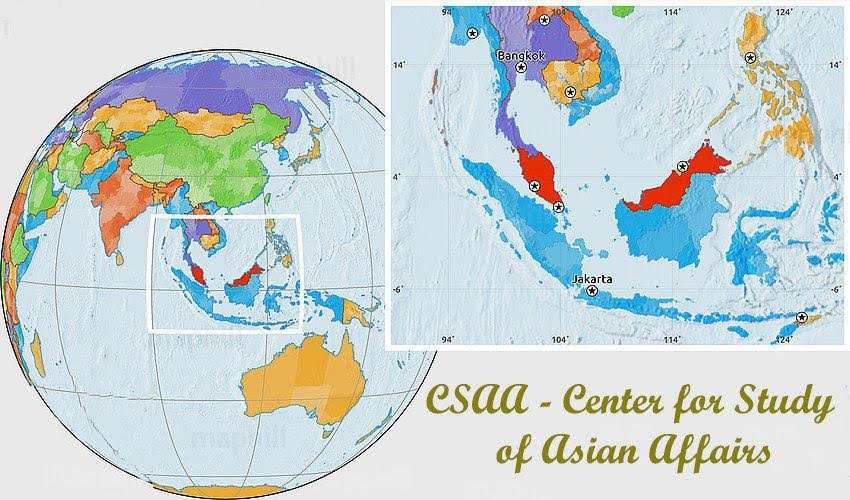
Our Newly established Center for study of Asian Affairs has
branches in Indonesia, Malaysia and Singapore, as well as freelances in some other countries.
For inquires, please contact: newsofasia.info@yahoo.com Mr.Mohd Zarif - Secretary of the Center and administer of the web-site www.newsofasia.net
Polls
 Loading ...