

Houthis making advanced missiles with Chinese parts, Iranian design to hit Israel, Saudi Arabia
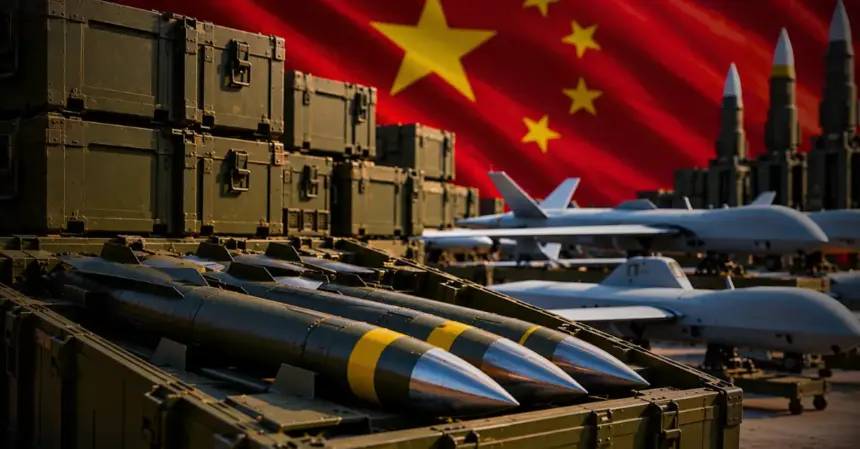
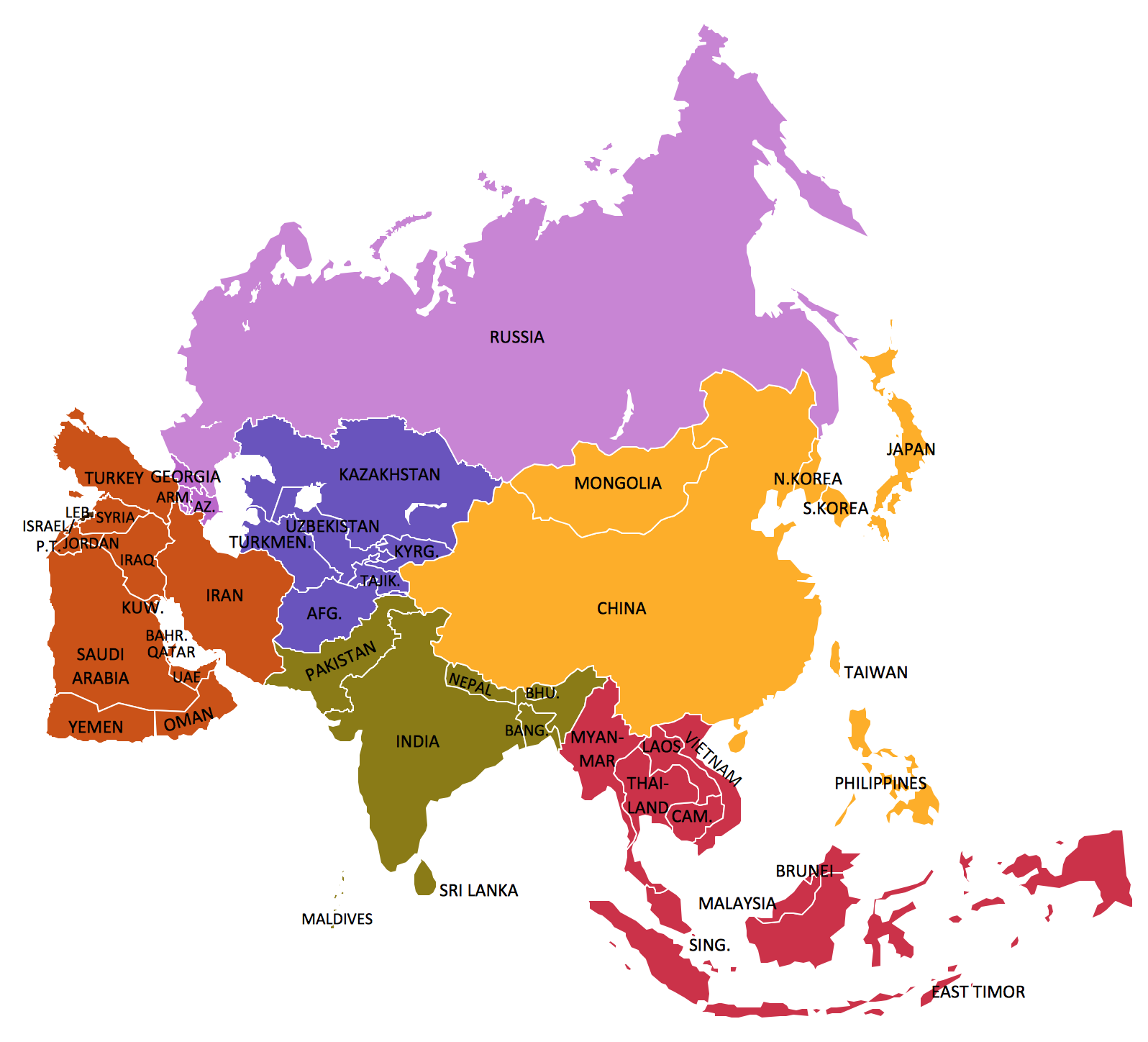
Yemen’s Houthi militants are attempting to develop advanced medium-range ballistic missiles using components sourced from China, potentially expanding the group’s ability to strike targets across West Asia

The missile under development is believed to be based on Iran’s Kheibar Shekan, a precision-guided ballistic missile first unveiled in Tehran in 2022.
If successfully developed, the Houthi weapon could have a range of around 1,200 miles, putting Saudi Arabia and Israel within reach, the report said.
The findings, reported by Conflict Armament Research and cited by the Journal, point to the growing ability of the Iran-backed group to manufacture its own weapons instead of relying entirely on supplies from Tehran and its regional allies.
Chinese components seized in Yemen
Conflict Armament Research, which investigates weapons and their supply chains in conflict zones, based its findings on information provided by Yemeni authorities following the interception of two shipments last year.
The consignments contained missile-related equipment concealed among other goods.
The components included custom-made metal parts for the missile’s motor and airframe, stabilising fins and elements of a solid-propellant rocket motor associated with the Kheibar Shekan series.
Authorities also seized tools, testing equipment and raw materials, including heat-resistant material used to protect parts of a missile from the extreme temperatures generated during flight.
 More from World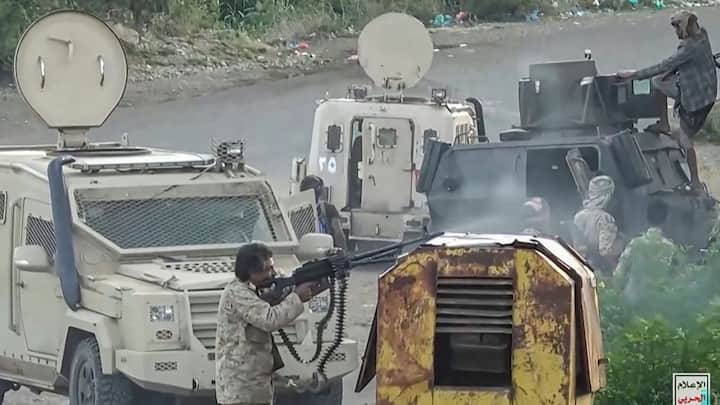
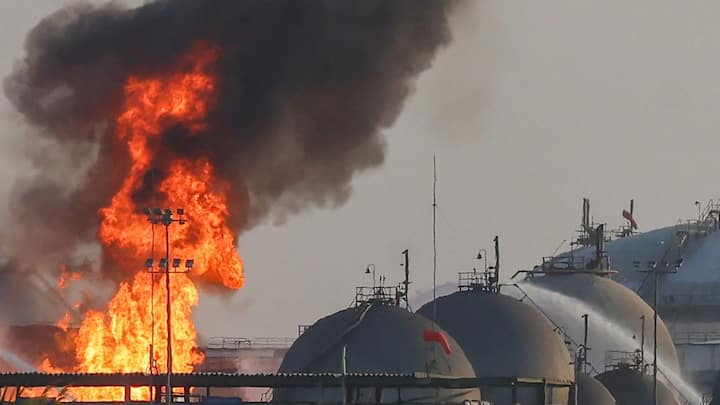
Shipping documents examined by the investigators identified a Chinese precision-metal manufacturer that advertises expertise in producing customised aerospace components. The report did not name the company.
Fabian Hinz, a senior analyst at Conflict Armament Research, told the WSJ that the imports could indicate that the Houthis have begun manufacturing missiles or are attempting to do so.
However, the extent of their progress remains unclear because their weapons facilities are heavily concealed.
How dangerous could the missile be?
The Iranian Kheibar Shekan is considered more capable than some other Iranian missiles because it can manoeuvre to evade air defence systems.
Certain versions can separate the section carrying the warhead during the final stage of flight, allowing it to adjust its direction as it approaches a target.

A missile with a range of approximately 1,200 miles would give the Houthis the potential to strike targets deep inside Saudi Arabia and reach Israel. Medium-range ballistic missiles could also carry larger payloads than some cruise missiles and drones.
The group has gradually expanded its domestic weapons manufacturing capabilities after years of relying on Iran and Hezbollah for missile supplies, according to weapons experts.
Chinese companies have emerged as a major source of goods seized while being shipped to the Houthis, according to UN reports and data compiled by arms experts. Some components have civilian applications, while others are specifically designed for missile systems.
China has said it complies with the UN arms embargo on the Yemeni group. However, the growing use of Chinese-origin components has raised questions about the ability to prevent dual-use technology from reaching armed groups.

- Previous “Democratic rule” in full display: Turkish opposition television channel’s headquarters sized by police
- Next Indian PM Modi meets Indian Canadian FM Anita Anand, says India committed to ‘forward-looking strategic partnership’
You may also like...





Random news










About us
Our Newly established Center for study of Asian Affairs has
branches in Indonesia, Malaysia and Singapore, as well as freelances in some other countries.
For inquires, please contact: newsofasia.info@yahoo.com Mr.Mohd Zarif - Secretary of the Center and administer of the web-site www.newsofasia.net
Polls
 Loading ...