

Indonesian fire pollutants potentially moving towards Malaysia
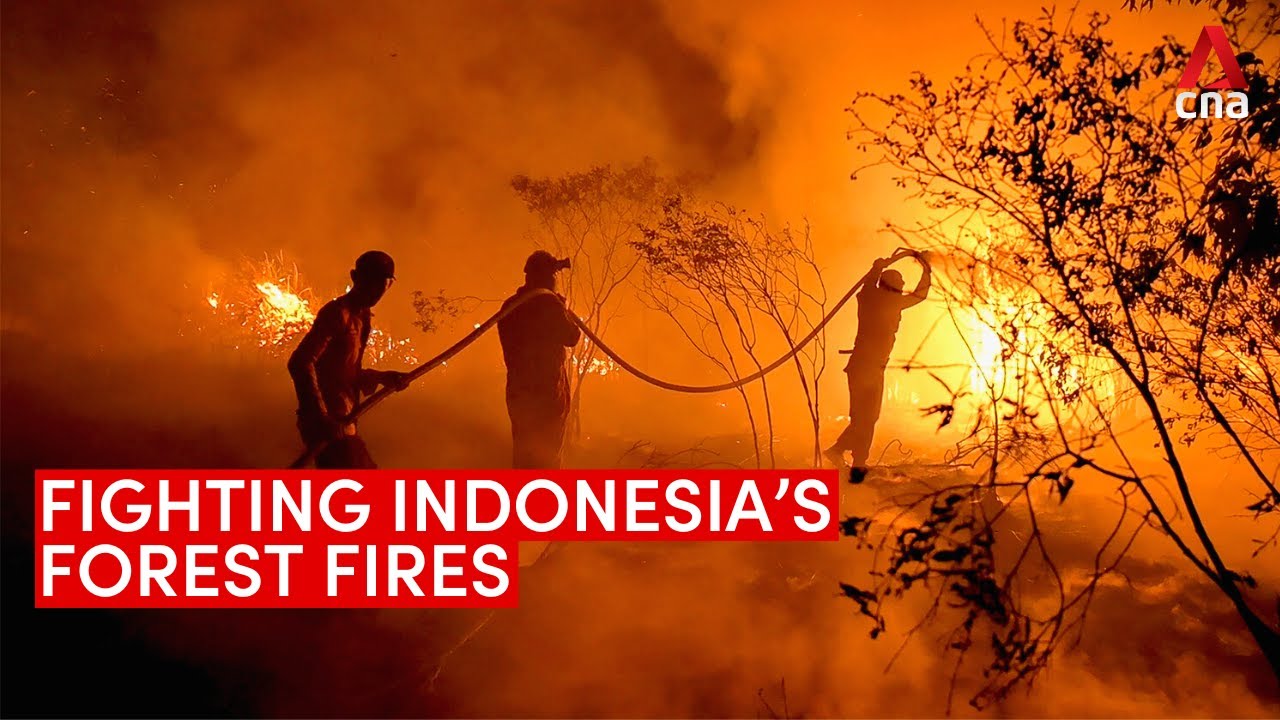

JAKARTA: Pollutants from fires in Indonesia’s Sumatra and Kalimantan are continuing to move towards the Strait of Malacca and Natuna Sea, and potentially towards Malaysia, Singapore and Brunei, according to a forecast presented by Indonesian authorities on Tuesday.
The forecast by Indonesia’s Meteorology, Climatology and Geophysics Agency (BMKG) came as fire spots declined sharply across priority provinces in Kalimantan and remained relatively low in Sumatra on Tuesday, although severe air pollution persisted in parts of both islands.
National Disaster Mitigation Agency (BNPB) Acting Head of Data, Information and Disaster Communication Centre Berton Panjaitan said Central Kalimantan recorded the highest number at 63, down from 72 a day earlier, while West Kalimantan fell to 30 from 104 and South Kalimantan to 13 from 55.
In Sumatra, he told an online press conference on Tuesday that Riau recorded four fire spots, while Jambi and South Sumatra had 13 each, with the latter edging up from 11 a day earlier.
According to data displayed during the press conference, air pollution remained severe in parts of Kalimantan, with the Air Pollutant Standard Index (ISPU) reaching 680 in Katingan, Central Kalimantan, 468 in Southeast Pontianak, West Kalimantan and 405 in Murung Raya, Central Kalimantan, as of 4.09pm local time.
“Visibility remained below 1km in West Kalimantan, about two kilometres in Central Kalimantan and below three kilometres in South Kalimantan,” Berton said.
In Sumatra, he said air quality had improved, particularly in Riau and Jambi, while conditions in South Sumatra were generally moderate, though visibility there remained below 2km.
“Normal activities, including face-to-face learning, have continued in Riau, with visibility improving to more than 9km. Car Free Day was also held last Sunday, which shows that air quality, particularly in Pekanbaru, has improved. We hope these conditions will continue,” he said.
Berton said ground teams had extinguished fires covering about 263ha in West Kalimantan, 87ha in Central Kalimantan and 29ha in South Kalimantan.
“In Sumatra, the figures were more than 126ha in Riau, 13ha in Jambi and 9.25ha in South Sumatra as of Monday.
“Even after the fire has been extinguished, the work is not over, as the area still has to be wetted and cooled until there is no remaining heat. Peatland fires pose extraordinary challenges compared with vegetation fires on mineral soil,” he said.
Regarding weather modification operations, Berton said light to moderate rain was observed in parts of Jambi after 2,000kg of salt were dispersed, while an operation in Central Kalimantan failed to produce rain.
Similar efforts could not be conducted in Riau, South Sumatra and South Kalimantan due to a lack of suitable clouds, he said.

- Previous Economic winners and losers of the US-Israel war on Iran
- Next Canadian PM throw challenge to President Trump: ‘stop trying to be tough’ in trade fight
You may also like...






Random news









About us
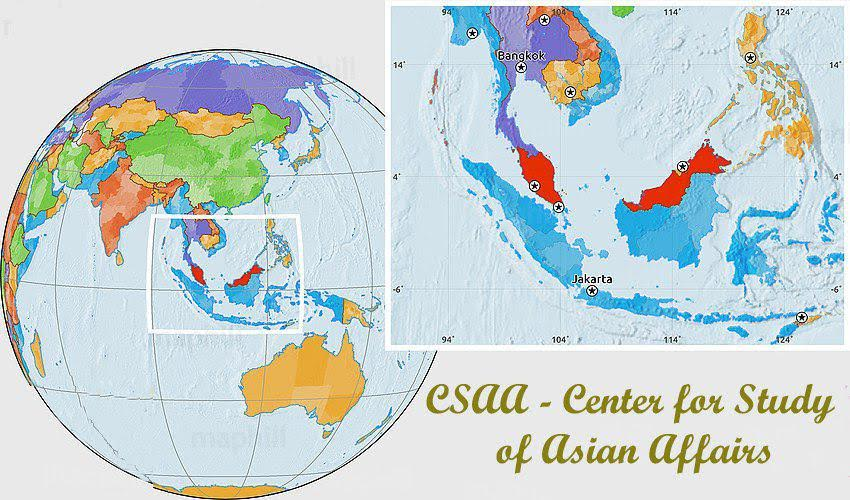
Our Newly established Center for study of Asian Affairs has
branches in Indonesia, Malaysia and Singapore, as well as freelances in some other countries.
For inquires, please contact: newsofasia.info@yahoo.com Mr.Mohd Zarif - Secretary of the Center and administer of the web-site www.newsofasia.net
Polls
 Loading ...