

Israel says no more 50 million cubic meters mandated by the 1994 Israel–Jordan peace treaty.
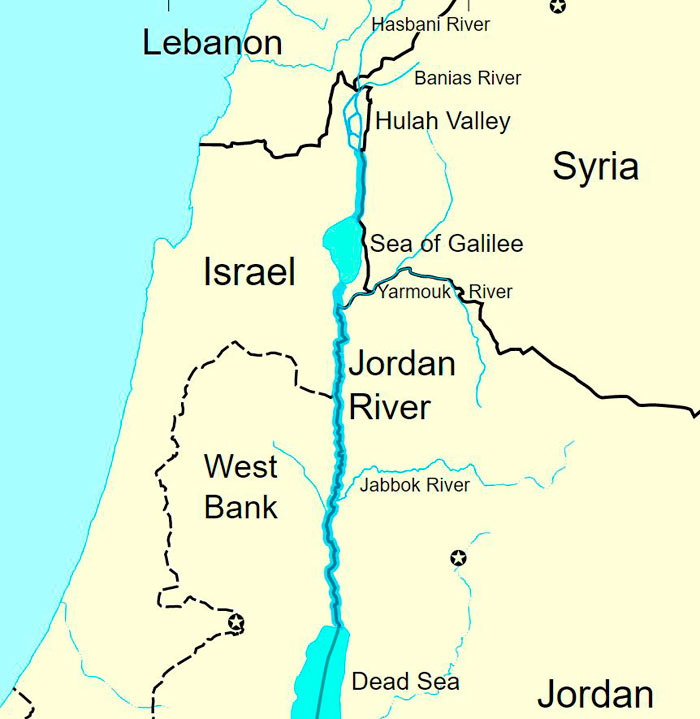
UAE proposes trilateral summit to resolve Israel–Jordan water dispute
Israel refused to renew Jordan’s extra water allocation, linking its restoration to Amman adopting a less critical stance toward Israel
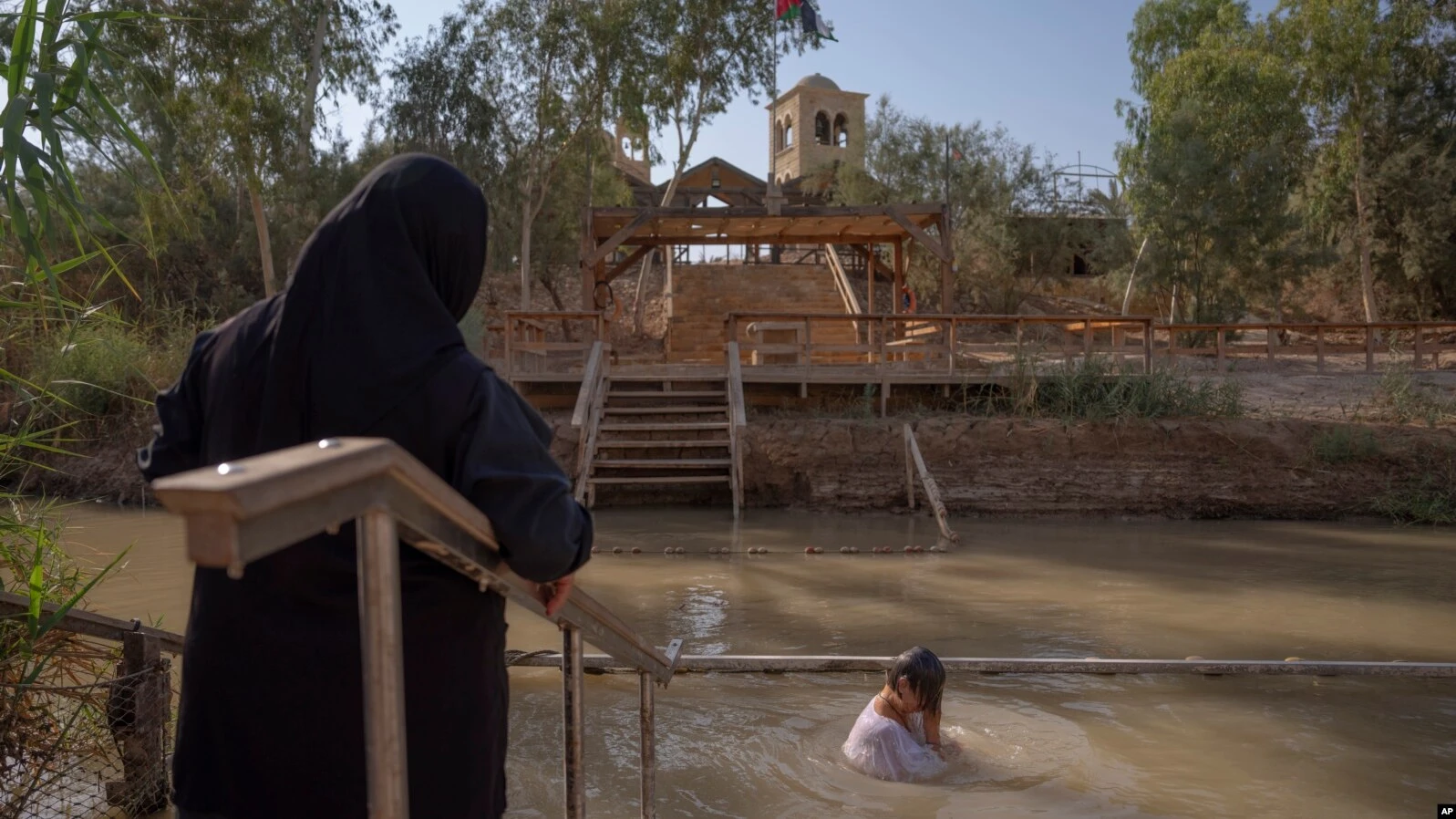 (Photo credit: AP Photo/Oded Balilty)
The UAE has proposed a trilateral summit in Abu Dhabi to negotiate a new regional water and energy accord between Israel and Jordan, Israeli media reported on 7 July.
This initiative seeks a formal agreement for Israel to agree to sell Jordan an additional 50 million cubic meters of water annually, on top of the 50 million cubic meters mandated by the 1994 Israel–Jordan peace treaty.
The meeting also aims to restore diplomatic ties, as neither nation has hosted an ambassador since late 2023.
This diplomatic push follows Israel’s refusal to renew a 2021 supplemental deal, under which it had agreed to provide Jordan with an extra 50 million cubic meters of water per year for three years, effectively doubling the kingdom’s water supply.
Jordan had subsequently sought to extend that arrangement by five more years and raise the additional allocation to 80 million cubic meters annually.
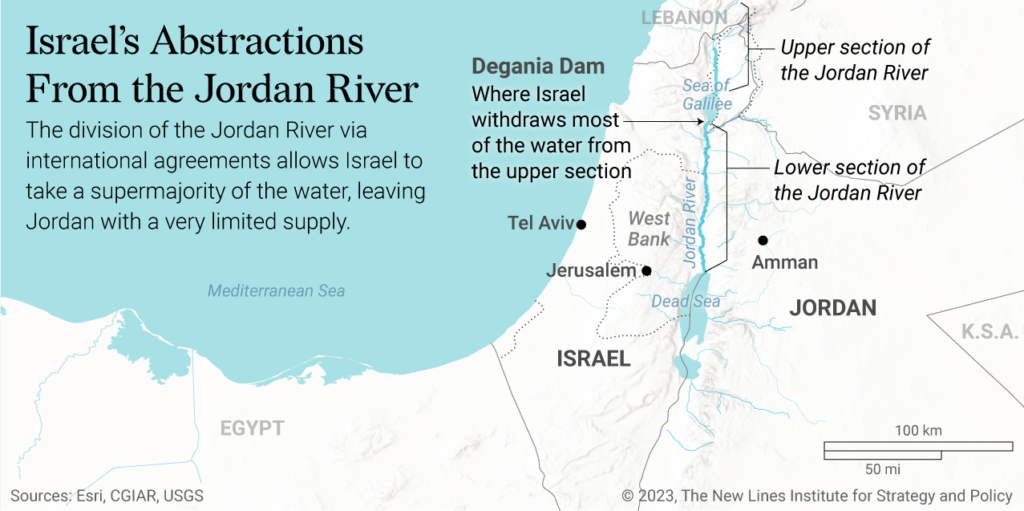
According to Yedioth Ahronoth, Israeli Energy Minister Eli Cohen reportedly kept renewing the arrangement in six-month stretches – extensions previously driven by US pressure and Jordan’s role in intercepting Iranian drones – before letting it expire in November 2025.
Jordan has subsequently gone eight months without the extra water.
An unnamed Israeli official told Yedioth Ahronoth that Israel is meeting its commitments under the peace treaty but is not required to supply anything beyond that, noting that any additional water would depend on “goodwill” between the two countries.
Israeli officials also noted that 2025 was among the driest years of the past century, which forced Israel to prioritize its own domestic water needs, particularly for agriculture.
Jordan is reportedly “furious” over Israel’s refusal to renew the expanded arrangement, according to a separate report by Israel’s Public Broadcasting Corporation (KAN) on Monday.
Israel has reportedly linked the restoration of the additional supply to Amman adopting a less critical tone toward Tel Aviv and restoring full diplomatic relations.
A Jordanian source close to the royal court told KAN that “The water issue is very important to us, and is part of the peace treaty.”
The diplomatic tensions come as Israel’s Ministry of Defense has established an “Eastern Region Directorate” to advance plans for roughly 40 settlement points along the Jordanian border, backed by armed settlers.
The string of settlements stretches from the Tzemach junction in the north to the Hevel Eilot region in the south, cutting through the occupied West Bank.
Israeli Defense Ministry Director General Amir Baram said the effort was meant to coordinate state action in the area, citing a “potential threat from the east” and investment in a multi-layered border defense system.

- Previous Greeks are also against F-35 fighter jets for Türkiye but claims threat of war
- Next 50% seniors want to work – today 1 in 4 workers in Japan older 65: for money, other concerns
You may also like...


Random news


About us
Our Newly established Center for study of Asian Affairs has
branches in Indonesia, Malaysia and Singapore, as well as freelances in some other countries.
For inquires, please contact: newsofasia.info@yahoo.com Mr.Mohd Zarif - Secretary of the Center and administer of the web-site www.newsofasia.net
Polls
 Loading ...