

Link and Trade with Asean: China’s 134.2-km-long river-to-sea Pinglu Canal now operational, set to boost regional connectivity
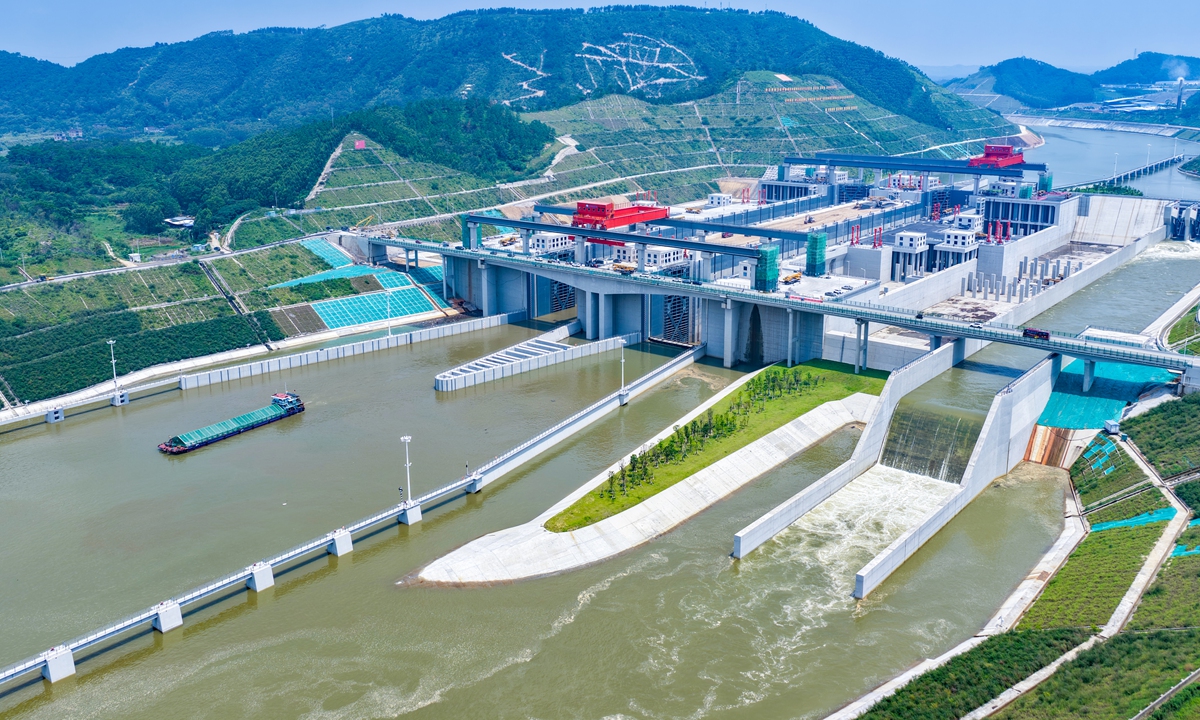
A vessel sails along the Pinglu Canal near the Madao hub. Photo: Courtesy of Pinglu Canal Group
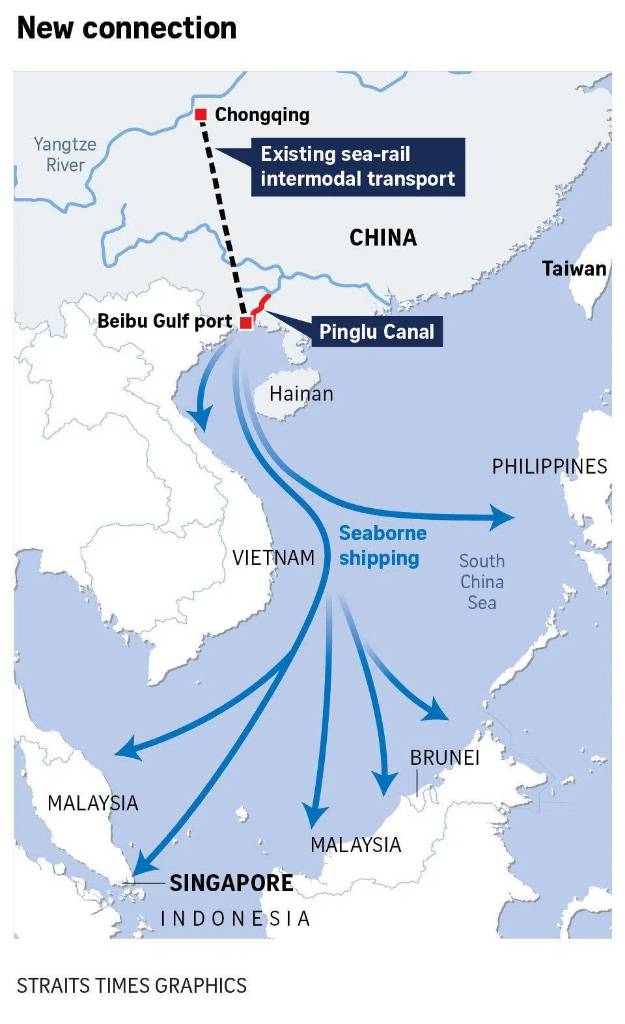
China’s 134.2-km-long Pinglu Canal in South China’s Guangxi Zhuang Autonomous Region became operational on Wednesday. The canal can accommodate vessels of up to 5,000 tons and cut the inland waterway distance to the sea by more than 560 kilometers for cargo ships from China’s southwestern provinces.
The Pinglu Canal is a backbone project of the New International Land-Sea Trade Corridor that connects with the Belt and Road Initiative, and is the first canal planned and coordinated at the national level since 1949 to connect a river to the sea. Construction of the canal began in August 2022.
According to the People’s Daily, the Pinglu Canal opens up the shortest, most economical, and most convenient sea outlet for southwestern China, and the opening of the canal marks a major addition to the nation’s river network.

In terms of engineering achievements, the Pinglu Canal set four world records, according to CCTV News. The Pinglu Canal boasts the world’s strongest navigation capacity among canals of the same type, it has the world’s fastest navigation speed through ship locks of the same type. The canal also has the world’s highest-head water-saving ship lock and the world’s largest inland-river water-saving ship lock.
With total investment exceeding 72.7 billion yuan ($10.83 billion), the canal begins at the Pingtang River estuary in Hengzhou in Guangxi, and follows the Qinjiang River into the Beibu Gulf.
Due to cheaper waterborne transportation and the shorter distance, comprehensive logistics costs for cargoes between China’s southwestern provinces and ASEAN countries are expected to fall by 18 to 30 percent, generating annual transport cost savings of over 5 billion yuan.
The canal is expected to turbocharge trade and industrial chain integration between China and ASEAN countries, according to analysts.
In an earlier interview with the Global Times, He Junhui, director of the Engineering Management Department of the Pinglu Canal Group, the constructor of the canal, said canal transport throughput is expected to hit about 5 million metric tons in 2026 and 40 million metric tons in 2027.
With the canal’s opening, the deepening high-level joint construction of the New International Land-Sea Trade Corridor, and the signing and implementation of the China-ASEAN Free Trade Area 3.0 Upgrade Protocol, Guangxi’s ocean-oriented economic development is set to embrace unprecedented major opportunities, analysts said.
The vessels to sail in the Pinglu Canal include 5,000-tonne ships, 3,000-tonne and 1,000-tonne vessels, Xinhua News Agency reported.
According to a statement sent to the Global Times on Wednesday by the Nanning Maritime Safety Administration, some 570 registered vessels, including dry bulk cargo vessels, container vessels and multipurpose vessels, have the capability to sail out of the canal and into sea waters off the Qinzhou Bay. That means these canal-going vessels can directly load and offload cargo without the need to move their cargoes to sea-going vessels halfway, greatly improving transport efficiency.

- Previous This time Japanese Global Hawk down: crashed off the coast of Tottori
- Next 52% more in August: India’s exports to China surge
You may also like...





Random news












About us
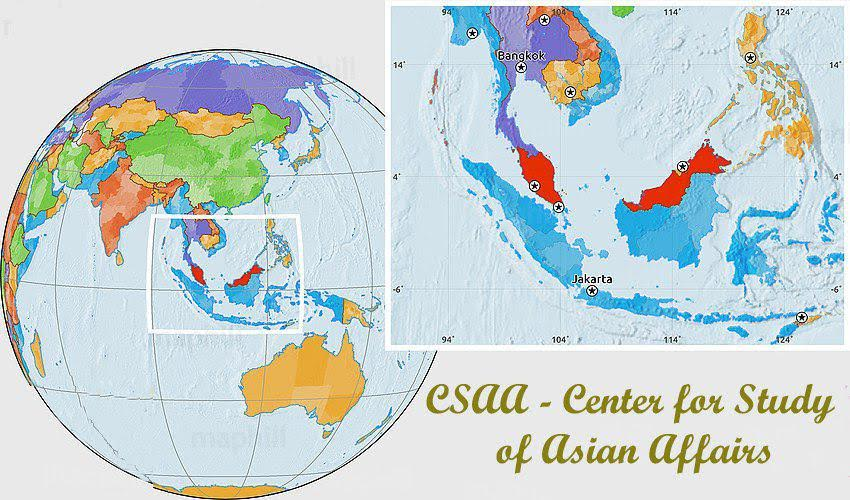
Our Newly established Center for study of Asian Affairs has
branches in Indonesia, Malaysia and Singapore, as well as freelances in some other countries.
For inquires, please contact: newsofasia.info@yahoo.com Mr.Mohd Zarif - Secretary of the Center and administer of the web-site www.newsofasia.net
Polls
 Loading ...