

US-Iran peace deal: Energy relief for Malaysia as businesses get ease


KUALA LUMPUR: The US–Iran peace deal can help Malaysia alleviate energy security concerns, but experts caution that it should be viewed as a reduction in geopolitical risks rather than a full return to normal conditions.
Industry observers told Business Times that the agreement also offers manufacturers and small and medium enterprises (SMEs) some breathing room, but stops short of signalling an immediate recovery.
They noted that the deal does not automatically reverse the financial and operational challenges already facing manufacturers, particularly SMEs and export-oriented firms.
The agreement, which is expected to be signed in Switzerland on Friday, has triggered a decline in both oil prices and the US dollar.
On Monday, Brent crude futures fell 4.2 per cent to US$83.86 per barrel, while US West Texas Intermediate (WTI) dropped 4.9 per cent to US$80.75 per barrel.
The US dollar weakened to a 10-day low against its peers, according to Reuters.
Universiti Teknologi Malaysia associate professor in property economics Dr Muhammad Najib Razali said for Malaysia, the key implications are not only lower oil prices but also lower risk across shipping, insurance, inflation expectations, fiscal pressure and investor sentiment.
“This is important because past Middle East conflicts show that oil shocks affect economies through more than physical supply disruption.
“During earlier regional tensions, including the Iran-Iraq war, the Tanker War period and previous Strait of Hormuz disruptions, markets reacted by pricing in a geopolitical risk premium.
“This premium reflected the possibility of supply interruption, tanker attacks, higher war-risk insurance, shipping delays, precautionary inventory building and stronger safe-haven demand for the US dollar,” he said.
He said the same principle applies to Malaysia today, noting that geopolitical risk premiums are likely to ease if the peace deal remains intact.
“This would reduce pressure on crude oil prices, freight rates, maritime insurance and imported inflation.
“Malaysia would benefit through lower transport costs, lower production costs, more stable consumer prices, and improved financial-market sentiment,” he said.
Najib said the impact would vary across sectors, with the transport and logistics industry standing to benefit from lower diesel and freight costs.
The aviation sector could gain from cheaper jet fuel prices.
Manufacturing firms are also expected to benefit from reduced energy, logistics and imported input costs.
He added that the agriculture and food-related sectors could see cost savings from lower fuel expenses for machinery, as well as reduced fertiliser-related, cold-chain and distribution costs.
“Construction may benefit from lower transport costs for cement, steel, aggregates, and machinery. Retail and consumers may benefit if lower logistics costs are passed through into final prices,” he said.
However, Najib said the oil and gas sector could experience mixed outcomes, as a significant decline in crude oil prices may weigh on the revenues of upstream producers and oilfield service providers.
“By contrast, downstream refiners, petrochemical firms and industrial users may benefit from lower feedstock costs, depending on product margins,” he said.
BREATHER FOR MANUFACTURERS AND SMES
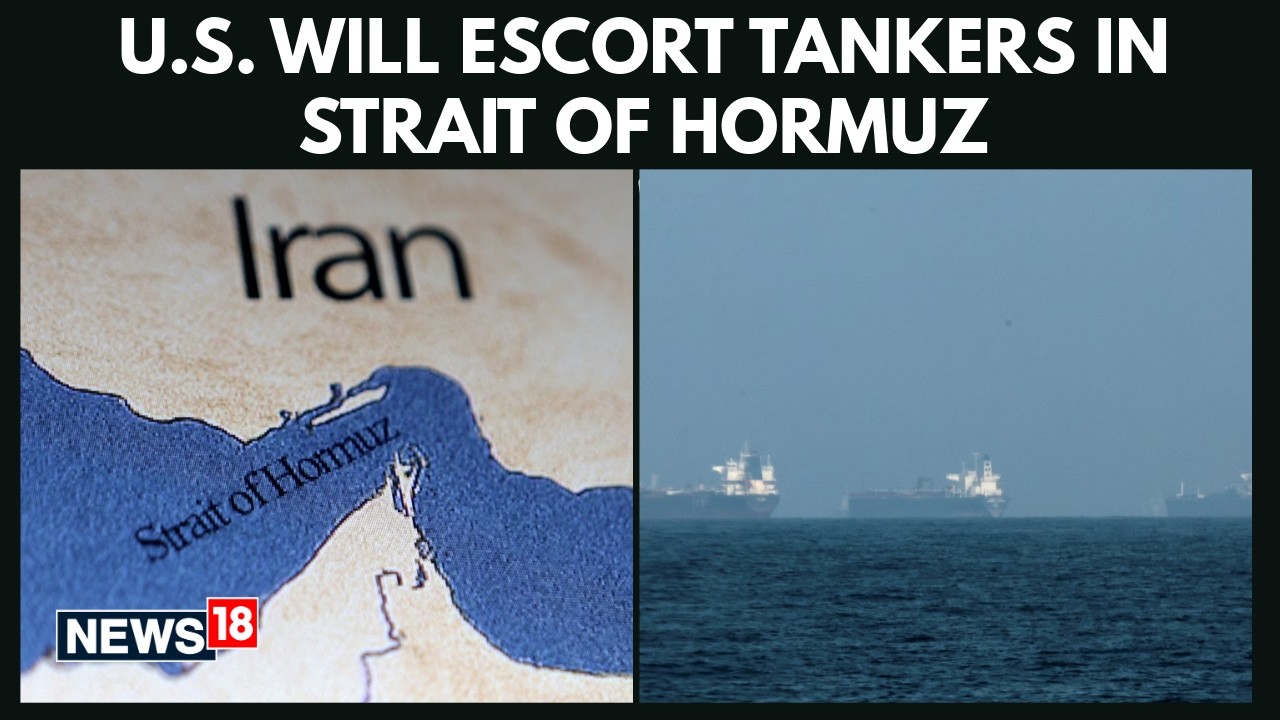
Federation of Malaysian Manufacturers (FMM) president Jacob Lee Chor Kok said the primary concern among its members has been the disruption to shipping activities caused by the closure of the Strait of Hormuz.
He said the resumption of commercial traffic through the Strait, coupled with the removal of the naval blockade, tackles the underlying source of the freight, fuel and raw material cost pressures that have burdened the manufacturing sector for nearly four months.
“On whether this offers relief, the honest position is that it offers a breather rather than an immediate recovery. The reopening of a shipping lane does not reverse the costs already incurred.
“Freight rates, vessel schedules, insurance premiums and rerouted supply arrangements will take weeks, and in some cases months, to return to pre-conflict levels,” he said when contacted.
Lee said many companies have absorbed higher input costs, deal with cargo disruptions and diversions, extend payment cycles and postpone investment plans.
However, he noted that these challenges cannot be resolved immediately upon the signing of a peace deal.
“The benefit will be felt gradually as vessels return to the shorter Suez and Red Sea routing, as surcharges are withdrawn and as the premium on alternative-origin raw materials eases,” he said.
Lee said FMM will continue monitoring the situation through its survey series and assess whether the anticipated easing in freight costs and supply conditions is effectively filtering through to businesses on the ground.
“The priority now is to help manufacturers move from crisis management back to normal production and to recover the ground lost over the past four months,” he said.
SME Association of Malaysia president Dr Chin Chee Seong said while the development offers welcome relief for Malaysian SMEs, the association remains cautious in its outlook.
He noted that the impact from the past few months cannot be undone overnight, as many businesses are still grappling with tight cash flow conditions and elevated operating costs.
“If the peace process holds and the Strait of Hormuz returns to normal operations, Malaysia can expect some relief from fuel costs, logistics costs, inflationary pressures, and supply chain disruptions.
“For SMEs, this could mean improved cash flow, better business confidence, and fewer disruptions to daily operations. It may also reduce the risk of further retrenchments and business closures,” he said.
He said despite the positive developments, it should not be assumed that all challenges have been resolved.
Chin said the global economy remains weak, domestic consumer spending is still subdued, and many SMEs continue to face high financing, labour, rental and compliance costs.
“Therefore, while this development is a step in the right direction, Malaysia must continue strengthening domestic demand, supporting SME competitiveness and helping businesses improve productivity and resilience.
“In summary, the risk of a major supply chain crisis may be easing, but SMEs are not yet out of the woods
“We remain hopeful, but cautious, until we see sustained improvements in oil prices, logistics costs and overall business conditions over the next few months,” he added.
RISKS REMAIN
Universiti Teknologi Mara Business Management Faculty senior lecturer Dr Mohamad Idham Md Razak said despite the positive developments, risks remain that could indirectly affect Malaysia, particularly through global market volatility and shifts in external demand.
He added that any breakdown in the agreement, a resurgence of regional tensions, or unrelated global shocks such as slower economic growth or currency fluctuations could quickly reintroduce uncertainty into the outlook.
“For Malaysia, which is an open and trade-dependent economy, these external factors can still influence inflation, export performance and financial market stability even in a more optimistic geopolitical environment,” he said.
Lee said the agreement has been announced but has not yet been signed, and the timeline for reopening the Strait remains uncertain.
He added that there are differing statements from both sides, with some indicating that the effects would take place immediately upon signing.
Others suggest a transition period of up to 30 days for mine clearance and the lifting of the blockade.
“The reported strikes in Lebanon over the weekend are a reminder that the situation is still fragile and that a return to hostilities cannot be ruled out.
“A 60-day negotiation on Iran’s nuclear programme is to begin only after the agreement is signed, which means the broader stability of the region is not yet assured,” he said.
Lee said for these reasons, FMM maintains its view that the relief measures currently proposed to the government are still necessary.
“The peace agreement, welcome as it is, does not by itself repair the financial and operational damage already carried by manufacturers, particularly small and medium enterprises and export-oriented companies,” he said.

- Previous VP J.D.Vance details three key points written in new MOU with Iran
- Next India’s major social issue: The visa interview question stumping H-1B applicants
You may also like...






Random news




About us
Our Newly established Center for study of Asian Affairs has
branches in Indonesia, Malaysia and Singapore, as well as freelances in some other countries.
For inquires, please contact: newsofasia.info@yahoo.com Mr.Mohd Zarif - Secretary of the Center and administer of the web-site www.newsofasia.net
Polls
 Loading ...