

US Officials: Iran to define Strait of Hormuz administration with Oman and Gulf states
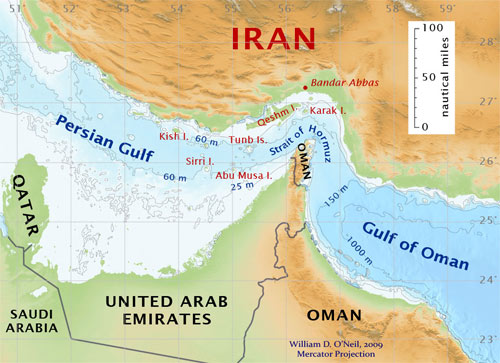

- Iran will allow the safe passage of commercial ships through the Strait of Hormuz without tolls for 60 days only, senior U.S. officials told reporters.
- Iran, Oman and the Gulf states will then discuss “the future administration and maritime services” in Hormuz, the U.S. officials said.
- Ships transited Hormuz freely before the war, but Iran has sought to impose its control over the strait.
- The Iranians will likely “assert their rights as aggressively as they can,” a U.S. official acknowledged.

Iran and Oman will define how the Strait of Hormuz is administered in discussion with other Persian Gulf states under the agreement to end the war in the Middle East, senior U.S. officials told reporters Wednesday.
Tehran and Washington are expected to formally sign a memorandum of understanding to end the war on Friday in Geneva. The U.S. officials, speaking on condition of anonymity to discuss the terms that hadn’t been made public, read the contents of the MOU to reporters on a conference call.
Under the MOU, Tehran will allow the safe passage of commercial ships without tolls for 60 days only. Iran will then “conduct dialog” with Oman “to define the future administration and maritime services” in Hormuz in discussion with the other Gulf states, according to the agreement.
President Donald Trump has repeatedly insisted that the strait be un-tolled after the war ends. There were no tolls imposed by Iran or any other entity before Trump began the war.
The discussions on to how administer Hormuz should be “in line with the applicable international law and the sovereign rights of coastal states of the Strait of Hormuz,” according to the MOU.
A senior U.S. official acknowledged that the Iranians will likely “assert their rights as aggressively as they can” in the regional discussions on how to administer Hormuz. But the official said the other Gulf states “will never agree to an arrangement that doesn’t permit toll-free access.”
The U.S., meanwhile, will begin to lift its naval blockade of Iranian ports immediately after signing the MOU and will completely end the blockade within 30 days, an official said.
Ships transited Hormuz freely without any fees or conditions before the U.S. and Israel attacked Iran on Feb. 28. But Tehran has sought to impose its control over strait since the war began.
Traffic through Hormuz has changed little since the U.S. and Iran announced they reached a deal on Sunday. Six tankers were among 13 commercial ships that transited Hormuz on Tuesday, according to data shared by Kpler. More than 100 vessels sailed through the strait daily before the war.
The Joint Maritime Information Center on Tuesday downgraded the threat level to ships crossing Hormuz to “substantial” from “severe” previously. It warned shippers still face a strong possibility of attack, but the behavior of Iran’s Revolutionary Guard “has become less volatile.”
The center is a maritime security organization led by the U.S. and headquartered in Bahrain that coordinates among allied navies and merchant ships in the Middle East.

- Previous Mongols and Kazakhs discuss expanding economic cooperation
- Next Full text of Memorandum of Understanding between US and Iran
You may also like...



Random news





About us
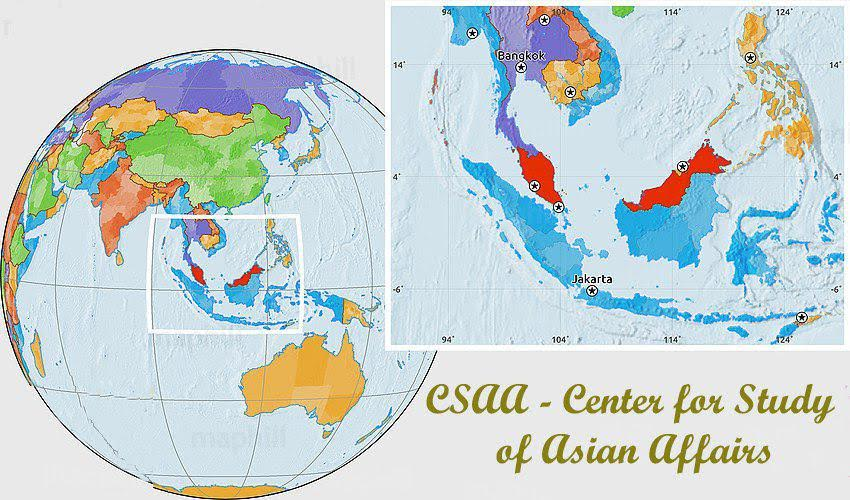
Our Newly established Center for study of Asian Affairs has
branches in Indonesia, Malaysia and Singapore, as well as freelances in some other countries.
For inquires, please contact: newsofasia.info@yahoo.com Mr.Mohd Zarif - Secretary of the Center and administer of the web-site www.newsofasia.net
Polls
 Loading ...