

With Modi’s visit, India and Uzbekistan elevate their strategic ties
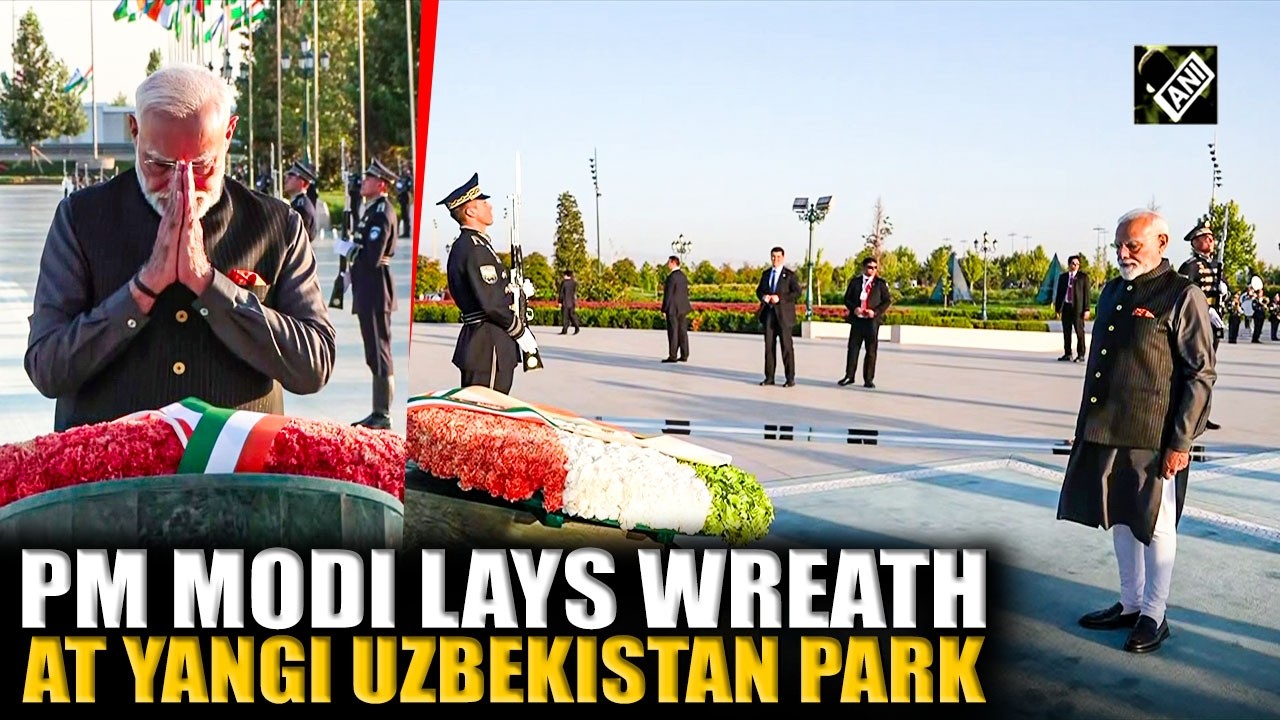
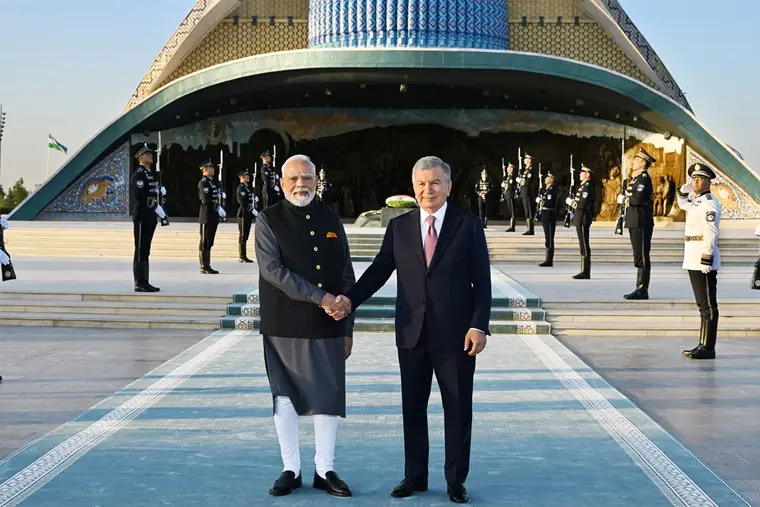
Prime Minister Narendra Modi announced the decision after talks with Uzbek President Shavkat Mirziyoyev. The move coincides with the 15th anniversary of the strategic partnership between the two countries.
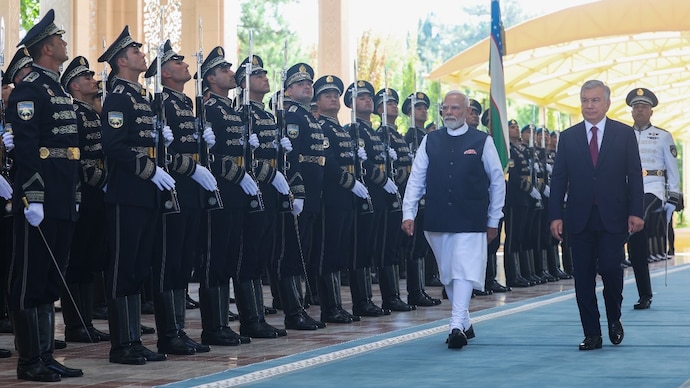
Prime Minister Narendra Modi announced the upgrade after talks with Uzbek President Shavkat Mirziyoyev. The decision coincides with the 15th anniversary of the strategic partnership between the two countries.
“On this special occasion, we have decided to elevate our relations to a Comprehensive Strategic Partnership. We will move forward by setting concrete goals within this new framework,” PM Modi said at a joint press conference.
The two countries will establish a Coordination Council led by their foreign ministers to guide different areas of bilateral cooperation. Their existing joint commission will also be upgraded from the secretary level to the ministerial level.
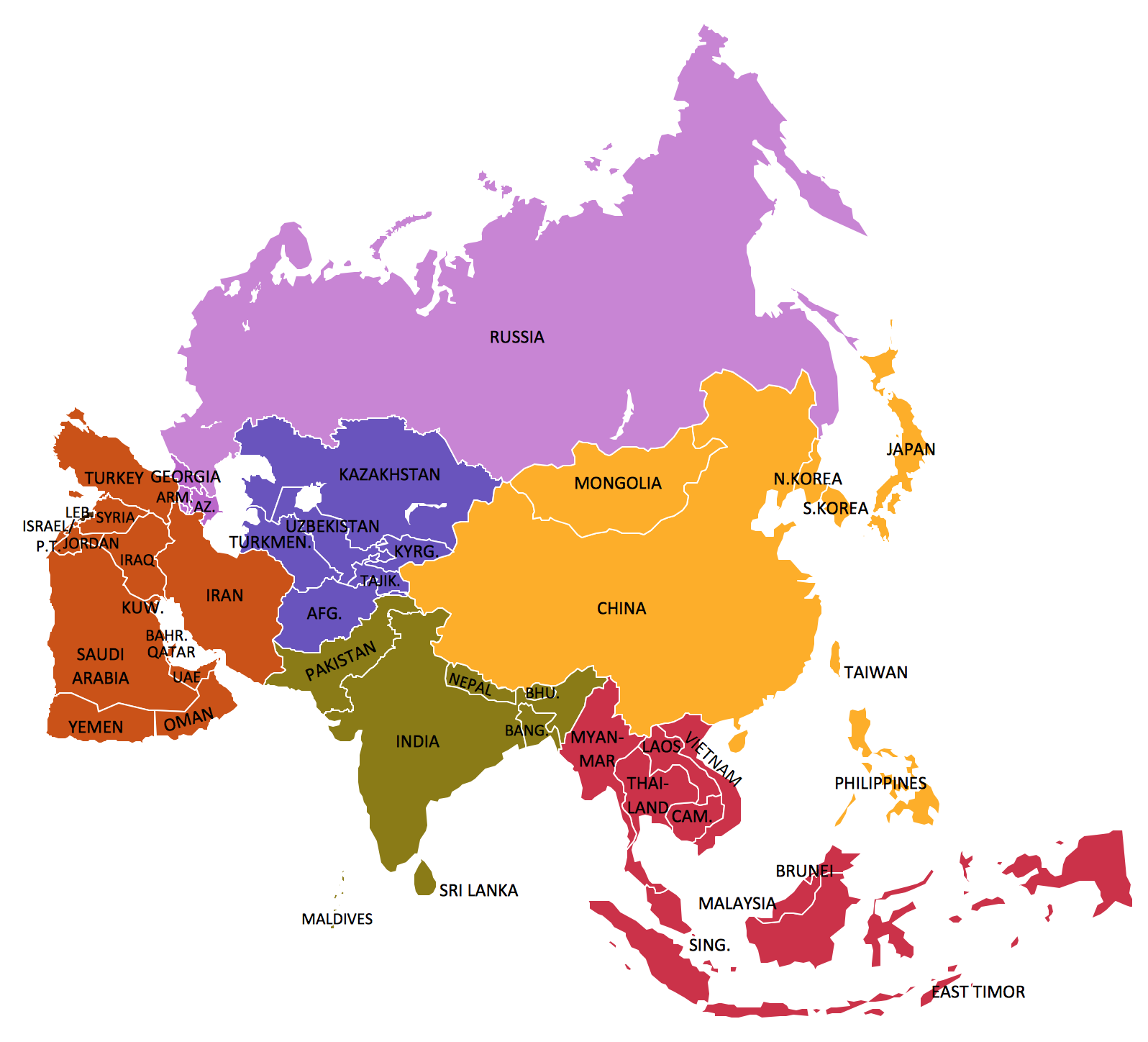
The Prime Minister described Uzbekistan as being “at the heart of Central Asia” and central to India’s engagement with the region.
DEFENCE TIES, ZERO TOLERANCE ON TERROR
PM Modi said close defence and security cooperation between India and Uzbekistan reflected the deep mutual trust between the two countries.
“In the coming years, we will promote direct linkages, co-production and co-development between the defence industries of our two countries,” he said.
The Prime Minister said India and Uzbekistan viewed terrorism, extremism and separatism as major challenges to regional stability and shared a policy of zero tolerance towards them.
TRADE TARGET SET AT $5 BILLION
PM Modi said bilateral trade had crossed $1 billion, with the two countries now aiming to raise it to $5 billion by 2030. He said they would work systematically to improve market access, connectivity, banking and payment systems.
India and Uzbekistan will also organise a joint business summit and explore infrastructure projects that create opportunities for both countries.
“We will work together to enhance win-win cooperation in infrastructure development,” PM Modi said, adding that collaboration in digital public infrastructure, artificial intelligence, critical minerals, space and nuclear energy was making the relationship future-ready.
As part of the push for deeper energy ties, the two sides are working to establish a long-term arrangement for the supply of uranium to India.
New Delhi has been exploring uranium imports from Uzbekistan to support nuclear power generation for civilian purposes. Clean energy was among the key areas discussed during PM Modi’s two-day visit.
‘TIES MUST GO BEYOND NATIONAL CAPITALS’
PM Modi said the partnership should not remain limited to New Delhi and Tashkent. India and Uzbekistan will establish partnerships between their cities and states to widen engagement at the local level.
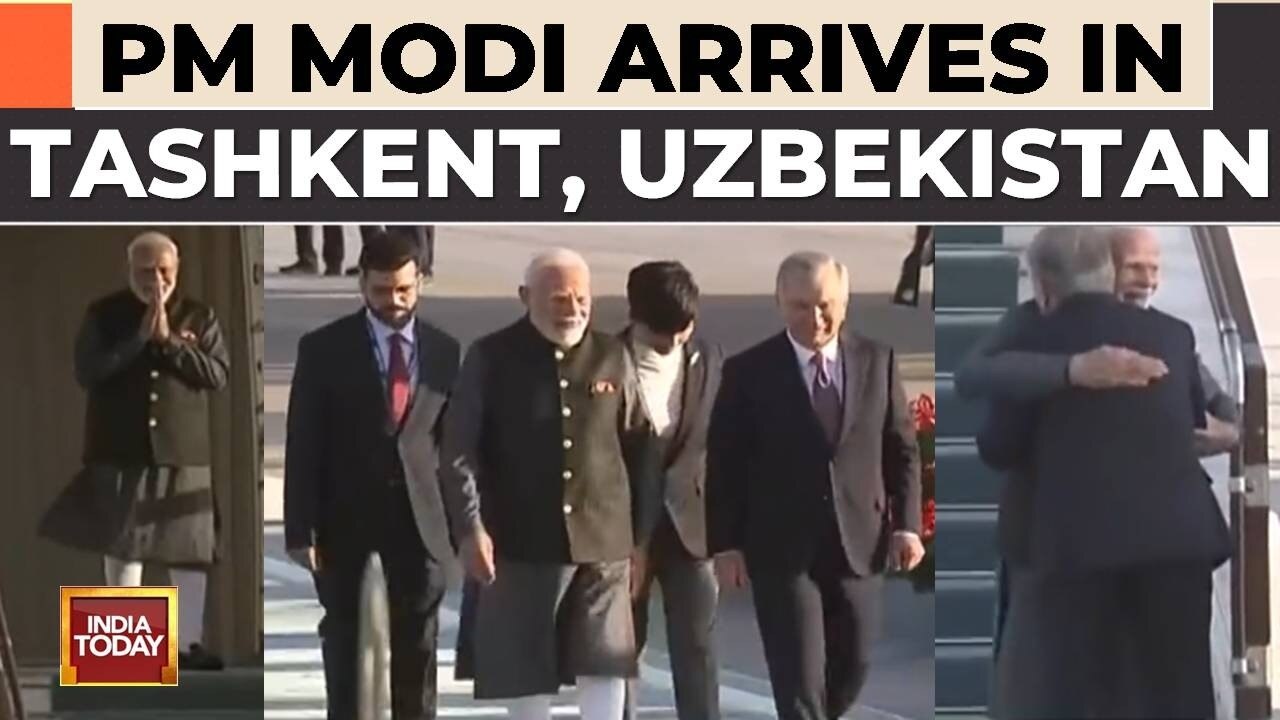
Highlighting the similarities between the development goals of the two countries, he said youth, innovation, inclusive growth and modern technology were central to both “New Uzbekistan” and “Viksit Bharat 2047”.
“There is a deep similarity between the aspirations and thinking of India and Uzbekistan. Guided by this shared vision, we are working continuously for the welfare of our people,” he said.
PM MODI RECEIVES UZBEKISTAN’S HIGHEST HONOUR
During the visit, President Mirziyoyev conferred Uzbekistan’s highest state honour, the Order of “Oliy Darajali Dustlik”, on PM Modi. It was the Prime Minister’s 36th international award.
PM Modi described receiving the honour as a moment of pride and dedicated it to the friendship between India and Uzbekistan and to 1.4 billion Indians.
Reflecting on the name of the award, he said “Dostlik” meant friendship and noted that Indians were familiar with the word “dost”, or friend.
PM Modi said “Dostlik” captured the spirit of India-Uzbekistan relations and stressed that the honour was not for one individual but for the people of India.

- Previous Turkmenistan Plans To Sell First Gas to Afghanistan through TAPI pipeline by the end of 2026
- Next Global brands and products taste and feel different in India
You may also like...


Random news


About us
Our Newly established Center for study of Asian Affairs has
branches in Indonesia, Malaysia and Singapore, as well as freelances in some other countries.
For inquires, please contact: newsofasia.info@yahoo.com Mr.Mohd Zarif - Secretary of the Center and administer of the web-site www.newsofasia.net
Polls
 Loading ...