

WOW!!! “Great Achievement”: 95 out of 100 world’s hottest cities today are in India
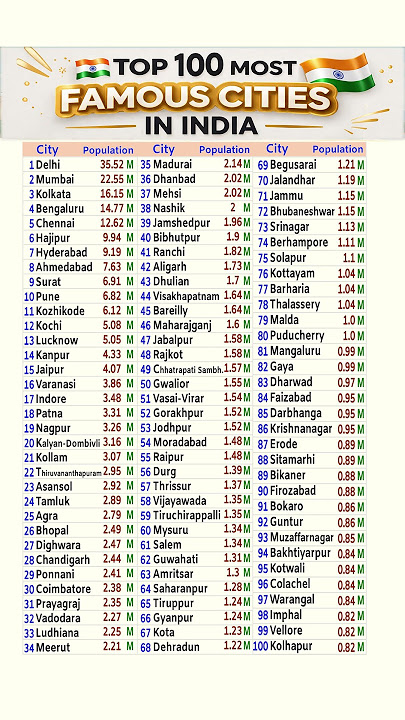
India turns into a hotbox:

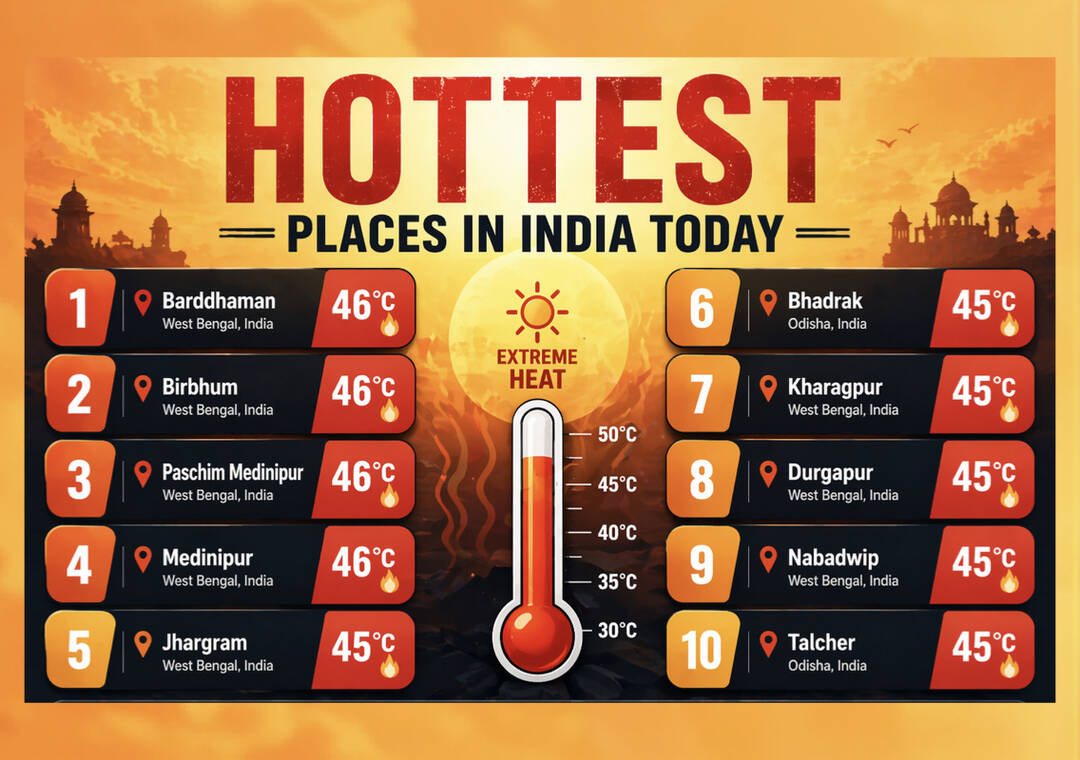
From central India to the Indo-Gangetic plains, temperatures have soared past 40°C in dozens of cities, with several locations inching closer to the 45°C mark.

India is at the epicentre of a global heat surge, with an overwhelming 95 of the world’s 100 hottest cities located in the country today, according to real-time global temperature rankings.
The data from AQI.in taken at 5:00 pm on April 24 highlights the intensity and scale of the ongoing heatwave gripping large parts of the subcontinent.
From central India to the Indo-Gangetic plains, temperatures have soared past 40°C in dozens of cities, with several locations inching closer to the 45°C mark.
The list is dominated not just by major urban centres but also smaller towns, reflecting how widespread and deep the heatwave conditions have become.
TOP 20 HOTTEST CITIES IN THE WORLD TODAY

States such as Maharashtra, Telangana, Madhya Pradesh, Uttar Pradesh and Odisha are among the worst affected, with multiple cities from each region featuring prominently in the global top 100.
The concentration of extreme heat across such a vast geography underscores the severity of current weather conditions.
Meteorologists attribute the surge to a combination of factors, including persistent dry winds, clear skies, and delayed pre-monsoon activity.
The absence of significant rainfall and cloud cover has allowed temperatures to rise rapidly during the day, while warm nights are preventing any meaningful cooling.
The India Meteorological Department (IMD) has already issued heatwave warnings across several regions, cautioning that conditions are likely to persist over the coming days.
Prolonged exposure to such temperatures can increase the risk of heat-related illnesses, particularly among vulnerable groups such as the elderly, children and outdoor workers.

What makes the current situation particularly concerning is the scale of synchronised heat across the country. Unlike localised heat events, this wave spans multiple states simultaneously, pushing a large number of cities into the global extreme temperature rankings at the same time.
Experts say such patterns are becoming more frequent, pointing to broader climatic shifts and rising baseline temperatures. Urban heat island effects, shrinking green cover and changing weather systems are also amplifying the impact in many regions.
Despite the relentless heat, some relief may be on the horizon. Forecasts indicate the possibility of thunderstorms and gusty winds in parts of eastern and northeastern India over the next few days, which could bring temporary respite.
However, a significant and sustained drop in temperatures is unlikely until stronger pre-monsoon systems or the monsoon itself advances further.
For now, India remains the hottest place on Earth, an extraordinary statistic that reflects both the immediacy of the current heatwave and the growing challenge of extreme weather in a warming world.

- Previous Colombian President Petro meets Venezuela’s interim president Delcy Rodriguez: will the cooperation proceed!?
- Next MetMalaysia issues Level 1 hot weather alert for 16 areas
You may also like...






Random news










About us
Our Newly established Center for study of Asian Affairs has
branches in Indonesia, Malaysia and Singapore, as well as freelances in some other countries.
For inquires, please contact: newsofasia.info@yahoo.com Mr.Mohd Zarif - Secretary of the Center and administer of the web-site www.newsofasia.net
Polls
 Loading ...