

Vietnamese Hung Cao Needs House, Senate Waivers for US SECNAV Confirmation


Acting Secretary of the Navy Hung Cao will need a Congressional waiver from both the House and the Senate to be eligible for confirmation as the permanent SECNAV, USNI News has learned.
In order to serve as a U.S. service secretary, nominees are required by law to have been retired from active-duty service for seven years. Cao, who was confirmed last year as Under Secretary of the Navy, is a 1996 U.S. Naval Academy graduate and served as an explosive ordnance disposal and diving officer. He retired from the Navy as a captain in October 2021, according to his Department of the Navy biography. Under current law, Cao wouldn’t be eligible without a waiver until 2028.
A source familiar with the proposed legislative path of Cao’s nomination confirmed to USNI News he would require a waiver from both the House and Senate before confirmation.
In a statement to USNI News, a senior Pentagon official told USNI News, “the Department looks forward to working with Congress throughout Acting Secretary Cao’s nomination process.”
Cao has been acting SECNAV since John Phelan was removed from the position in April. President Donald Trump announced his intent to nominate Cao earlier this month.
“The Senate needs to confirm this Warfighter, ASAP, so he can continue the fantastic work he has been doing over the past 4 months,” Trump wrote on social media.
It’s unclear how much ti me the House and Senate will have to pass legislation clearing Cao’s nomination in the current Congress before the November midterms. The House is currently on a two-week recess after briefly returning from their August recess to pass a continuing resolution. If Democrats take control of the House, Cao’s path to a waiver becomes more difficult, two sources told USNI News.
Prior to 2021, service secretary nominees had a five-year cooling off period from active-duty service before they could be eligible for nomination. However, Congress increased the requirement to seven years in 2021 as part of the legislative waiver allowing former Secretary of Defense Lloyd Austin to serve during the Biden administration without meeting the mandatory seven-year waiting period. Austin led U.S. Central Command and retired as a four-star army officer in 2016.
Legislators at the time said they wanted to reaffirm civilian control of the military in the future, citing not only Austin’s waiver but the 2016 waiver for former SECDEF Jim Mattis who retired as a four-star Marine in 2013.
“If we change the law today, we will now have done so twice within four years, effectively destroying the historical precedent against such exemptions,” former Rep. Gallagher (R-Wisc.) said of Austin’s waiver in 2021, according to a report in Military.com. “I can only say that four years from now, I hope we are not having the exact same debate because it will prove that we have learned nothing from this.”
The legislation passed in 2021 requires a former active-duty SECDEF candidate to wait ten years to serve if they were flag or general officers and seven if they served as an O-6 or below. The cooling off period for Pentagon positions like Deputy Secretary of Defense, Under Secretary of Defense for Policy and Comptroller and the service secretaries was set at seven years.
The restrictions don’t apply to nominees who served in the reserves or National Guard. For example, former SECNAV Kenneth Braithwaite served in the Navy as a reserve one-star and did not require a waiver.


- Previous PM Anwar: Malaysia must create, own and master technology
- Next 7 mln job vacancies in US right now: American kids lack necessary qualities and qualifications
You may also like...






Random news













About us
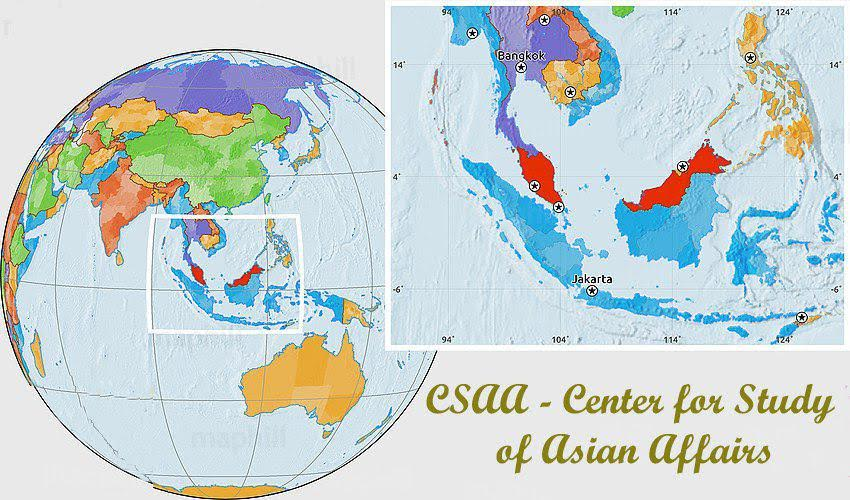
Our Newly established Center for study of Asian Affairs has
branches in Indonesia, Malaysia and Singapore, as well as freelances in some other countries.
For inquires, please contact: newsofasia.info@yahoo.com Mr.Mohd Zarif - Secretary of the Center and administer of the web-site www.newsofasia.net
Polls
 Loading ...