

Mainichi’s Advise Editorial to PM: Takaichi must rethink her ‘Trump-only’ diplomacy
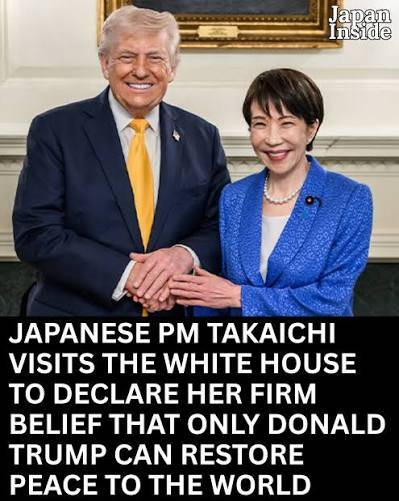
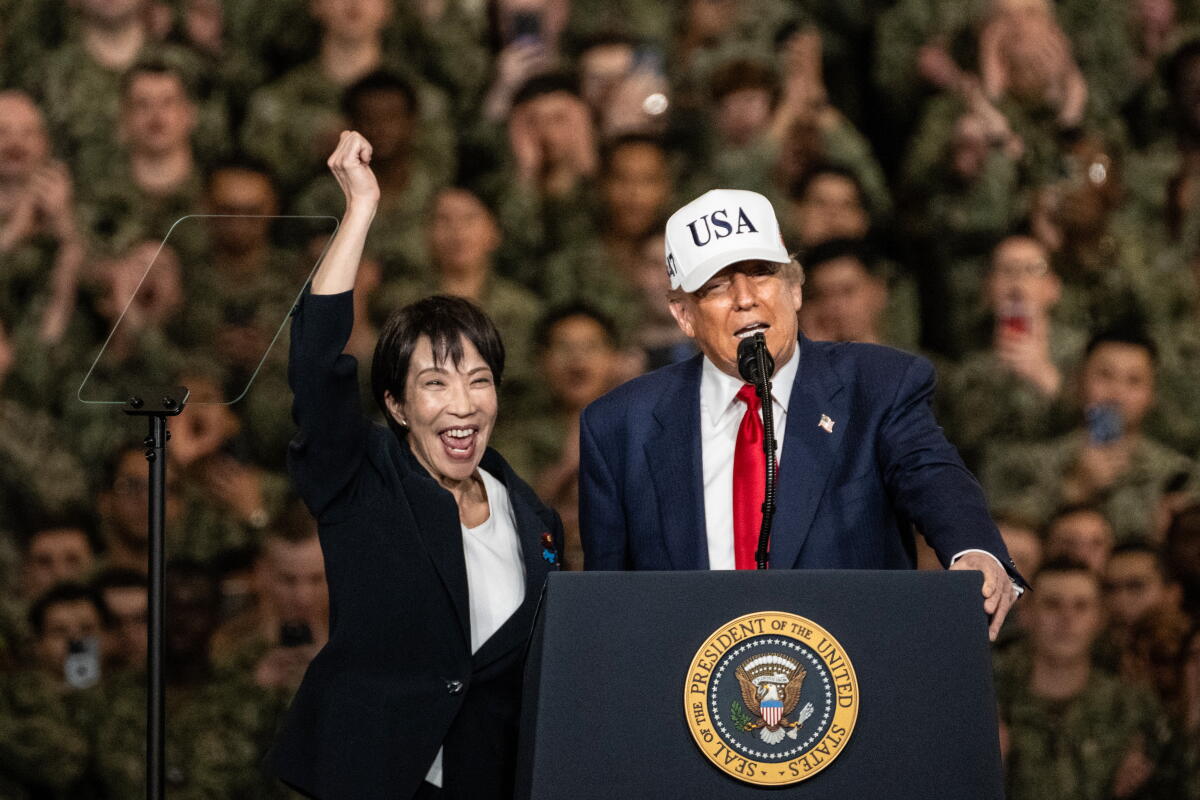


The most striking feature of Prime Minister Sanae Takaichi’s diplomacy is an approach that could be described as “Trump and no one else.” With Republicans suffering a historic defeat in the U.S. midterm elections, with voters delivering a harsh verdict on President Donald Trump, Takaichi will be forced to change course.
In return for a reduction in the high tariffs unilaterally imposed by the United States, the prime minister committed Japan to $550 billion, or about 87 trillion yen, in U.S.-bound investments. She avoided criticizing the attack on Iran as a violation of international law and failed to clearly object to pressure on the International Criminal Court, which prosecutes war crimes and other offenses.
It is clear that an approach based solely on following Washington’s lead is no longer viable.
The first concern is that Trump will become impatient to produce results in his foreign and security policies, areas where he does not need congressional approval. Some observers believe he could make easy compromises with China and Russia and move toward building an international order dominated by major powers. If he were to make concessions to North Korea while shelving the denuclearization of the Korean Peninsula, the consequences for Japan would be severe.
There are also concerns that Japan could face demands to increase defense spending and its contribution to the cost of stationing U.S. forces in Japan, commonly known as the “sympathy budget,” as well as to make additional investments in the United States.
The prime minister must recognize that simply acquiescing to Washington will not protect Japan’s national interests. While maintaining a stable relationship, Takaichi needs the diplomatic toughness to push back through negotiations against unreasonable demands.
There is also an urgent need to rethink Japan’s diplomatic strategy with the post-Trump era in mind. Tokyo must work to rebuild the multilateral cooperation that has been shaken by the “America First” doctrine.
While keeping the Japan-U.S. alliance as the cornerstone of its foreign policy, Japan should deepen cooperation among middle powers, including Europe, Canada, South Korea and Australia. Strengthening ties with the emerging and developing countries of the Global South is also essential.
The prerequisite is a firm commitment to the rule of law. If Japan allows the United States to act as it pleases, it will be seen as applying a double standard. It will not earn the trust of the international community.
The current situation offers little reassurance. Takaichi stirred controversy by skipping an online summit of the Group of Seven (G7). Despite having a valuable opportunity for frank exchanges with countries that share Japan’s values, she failed to make use of it.
A series of important international meetings lies ahead. The prime minister should take advantage of summit diplomacy to build multilayered relationships.

- Previous ASEAN demographic decline kicks inn
- Next Princess Aiko to visit Singapore as women take larger Imperial role
You may also like...






Random news











About us
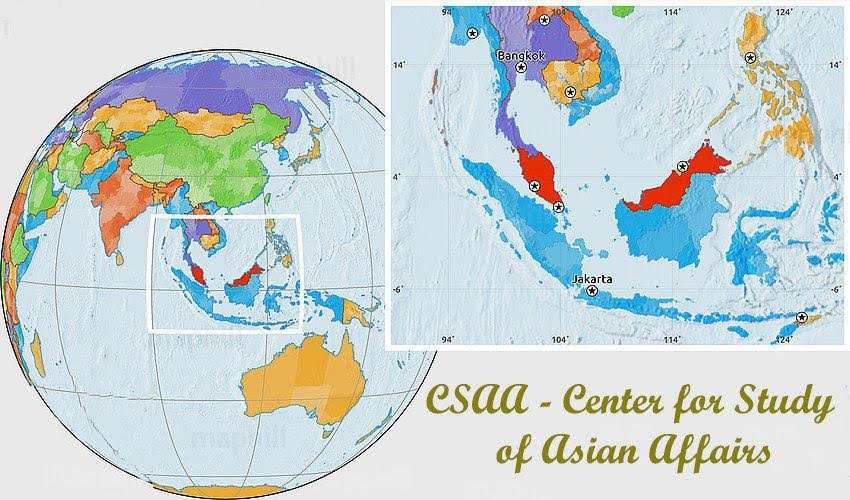
Our Newly established Center for study of Asian Affairs has
branches in Indonesia, Malaysia and Singapore, as well as freelances in some other countries.
For inquires, please contact: newsofasia.info@yahoo.com Mr.Mohd Zarif - Secretary of the Center and administer of the web-site www.newsofasia.net
Polls
 Loading ...