

US Forces in Japan Had Grown in Numbers in 2026
By RYO KIYOMIYA/ Staff Writer
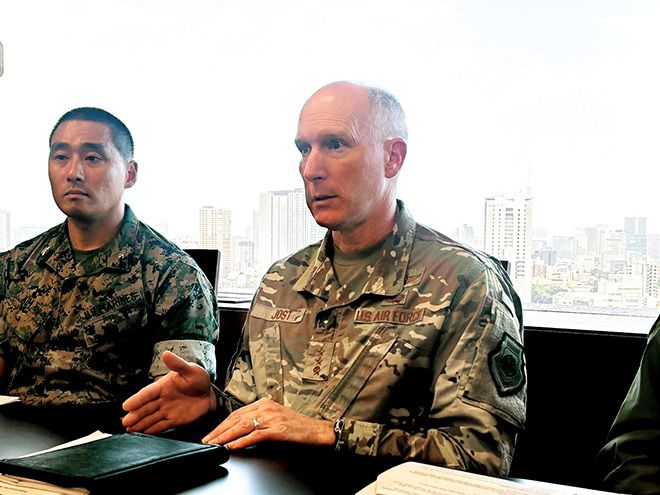 Lt. Gen. Stephen Jost, right, commander of U.S. Forces Japan, gives an interview at the Defense Ministry in Tokyo on July 24. (Ryo Kiyoimiya)
U.S. Forces Japan has added about 215 personnel since last year to help strengthen its command structure and improve coordination with Japan’s Self-Defense Forces for a potential regional crisis, the USFJ commander said.
Lt. Gen. Stephen Jost underscored the growing focus on preparedness in an interview with The Asahi Shimbun and other media organizations on July 24.
He said closer coordination with Japan’s Joint Operations Command (JJOC), established in March 2025 to oversee the Ground, Maritime and Air Self-Defense Forces, has enabled a level of responsiveness that was not possible a year and a half ago.
“The responsiveness and the velocity is something that is different,” Jost said.
His comments came as U.S. forces concluded their first full-scale participation in Japan’s Joint Exercise Rescue, which simulated a major earthquake along the Nankai Trough.
The exercise included scenarios involving both a tsunami and a nuclear power plant accident occurring simultaneously.
Historically, USFJ, a subordinate command of the U.S. Pacific Command, has not held operational command authority and functioned primarily as an administrative headquarters responsible for managing bases and units in Japan.

The Pentagon is now moving ahead with plans to upgrade USFJ into a joint force headquarters with operational responsibilities.
A central element of the effort is strengthening command-and-control coordination with JJOC.
As an initial step, USFJ established the Japan SDF Joint Operations Command Cooperation Team last year to serve as a liaison with the Japanese command. The team participated in the recent disaster-response exercise.
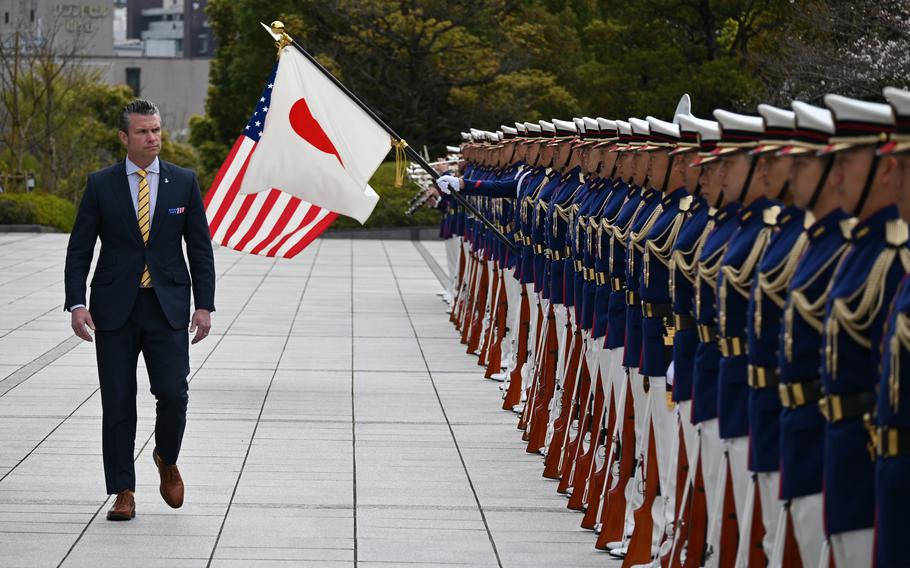
Jost said the initiative has now entered a second phase, which includes developing standard operating procedures for running a Bilateral Operations Coordination Center, a mechanism through which U.S. and Japanese forces would jointly coordinate activities.
A third phase of the transformation is expected to be completed by spring 2028.
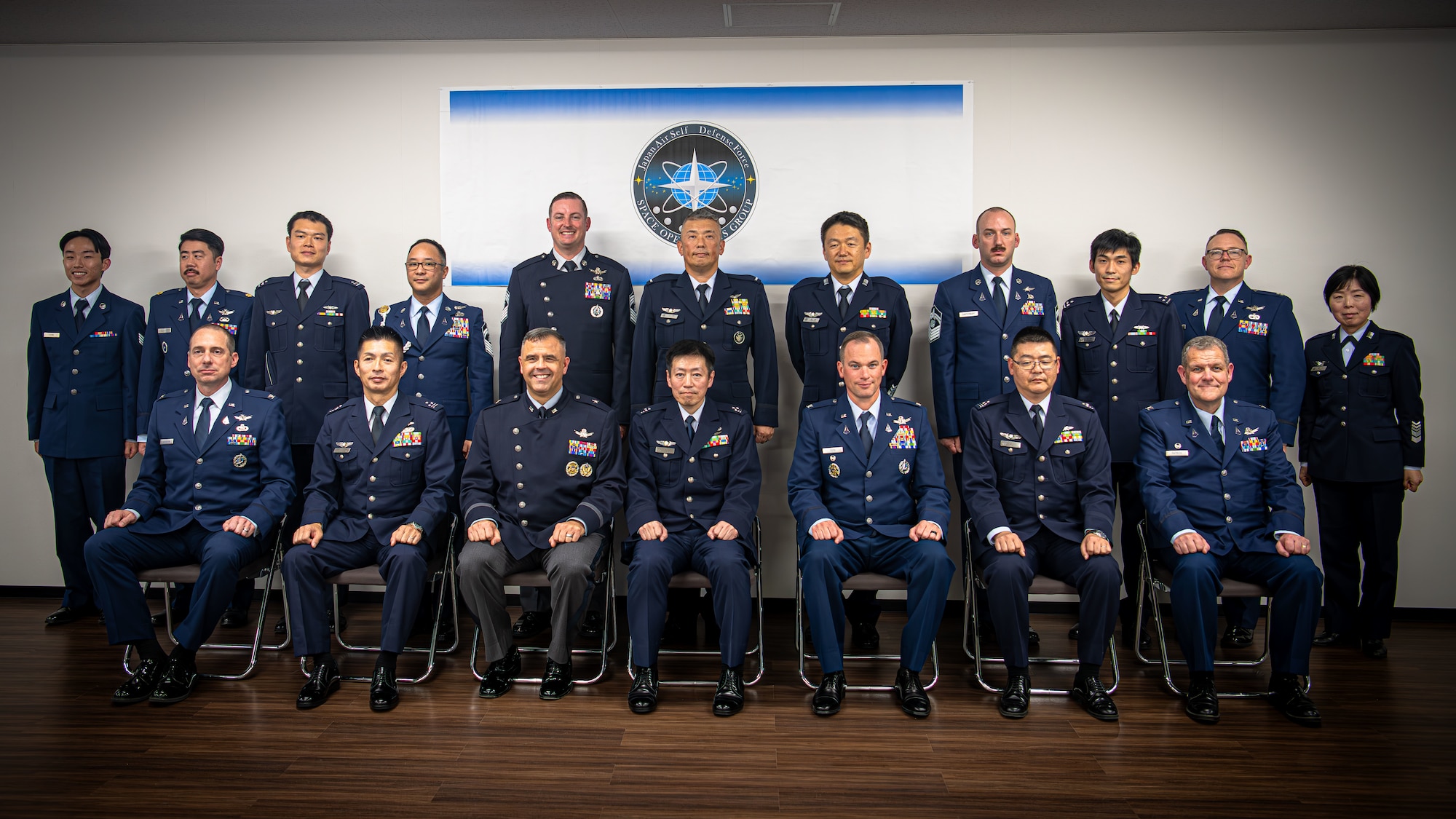
The personnel increase, Jost said, has enabled USFJ to maintain round-the-clock staffing covering a wide scope of “warfighting functions,” including logistics and medical support.
“We have the number of personnel that can sustain 24/7 operations across a broader range of capability within the headquarters,” he said.
The restructuring has also separated responsibilities that were previously combined in a single position.
Until recently, the USFJ commander simultaneously served as commander of the Fifth Air Force at Yokota Air Base. That dual-hatted arrangement ended in March, when Lt. Gen. Joel Carey assumed command of the Fifth Air Force, allowing Jost to focus exclusively on leading USFJ.
Jost said regional security conditions require a constant state of preparedness.
“Just anticipating that not on ‘if’ but ‘when’ a crisis will manifest in this very dynamic region of the world,” he said. “My job is to make sure we are as ready as possible with our Japanese partners to navigate those waters together successfully.”

- Previous Urgent Alert: Magnitude 7.1 earthquake hits Japan’s Kyushu region
- Next Pakistan holds elections in administered by him ‘Azad Jammu and Kashmir”
You may also like...


Random news






About us
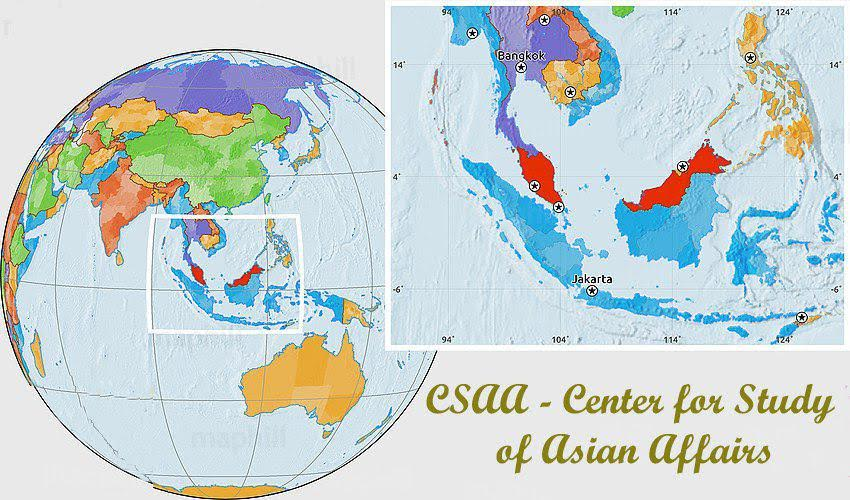
Our Newly established Center for study of Asian Affairs has
branches in Indonesia, Malaysia and Singapore, as well as freelances in some other countries.
For inquires, please contact: newsofasia.info@yahoo.com Mr.Mohd Zarif - Secretary of the Center and administer of the web-site www.newsofasia.net
Polls
 Loading ...