

Krakatau erupts, Jakarta airport shut over volcanic ash
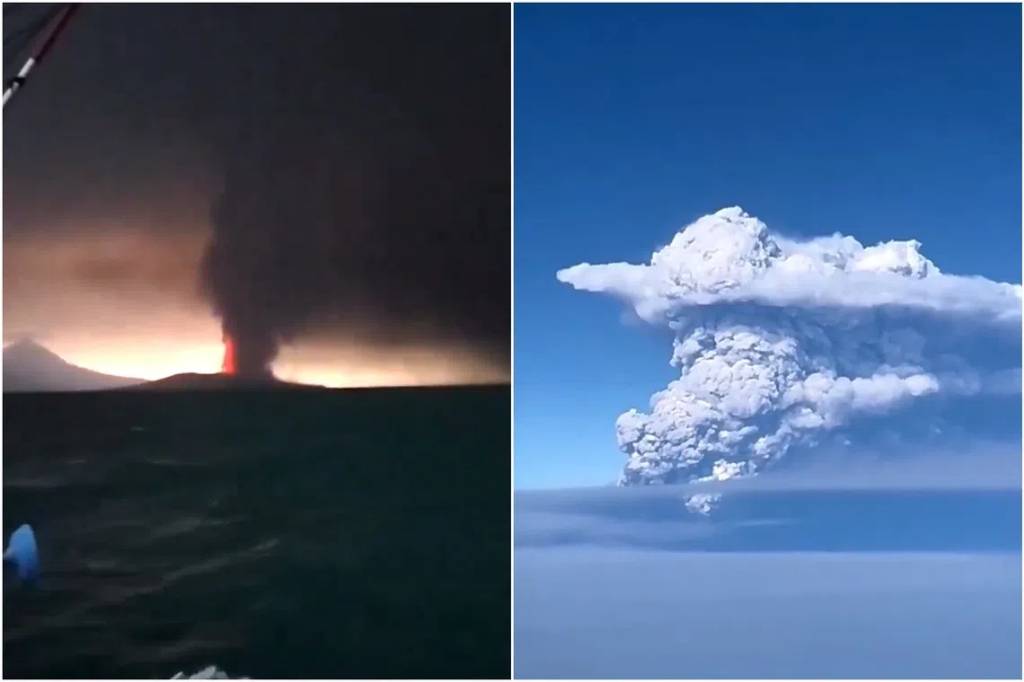
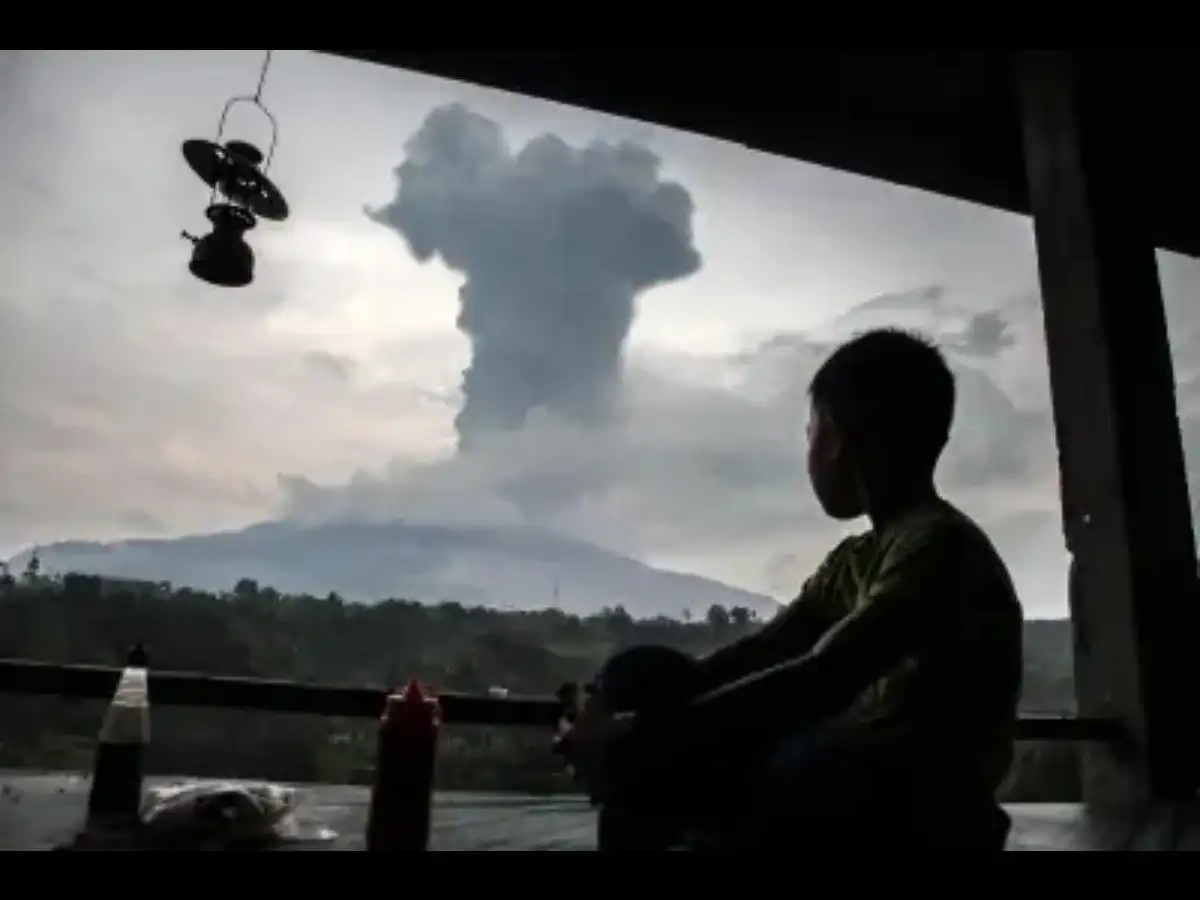
Indonesia’s Anak Krakatau volcano erupted early Sunday, sending volcanic ash across parts of western Indonesia and disrupting flights at Jakarta’s Soekarno-Hatta International Airport, the country’s busiest aviation hub.
The volcanic island, located in the Sunda Strait between Indonesia’s main islands of Java and Sumatra, had shown signs of increased activity since Friday, according to the country’s Geological Agency.
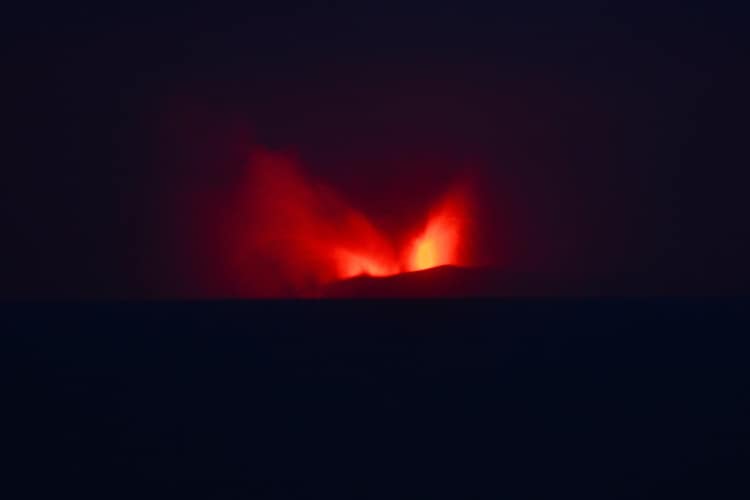
The volcano erupted for about 30 seconds at 3:53 a.m. on Sunday, with the agency’s closed-circuit cameras recording lava flares at the mountain.
There were no immediate reports of casualties, and authorities did not issue an evacuation order. The nearest settlement is more than 16 kilometres (10 miles) away. However, residents and visitors were warned to stay at least 3 kilometres (1.9 miles) from the volcano’s active crater.
VOLCANIC ASH DISRUPTS JAKARTA FLIGHTS
The Centre for Volcanology and Geological Hazard Mitigation said volcanic ash had spread across parts of Jakarta and Lampung province on the southern tip of Sumatra.
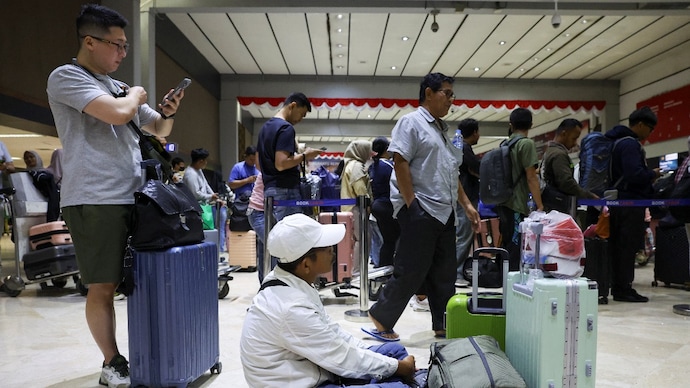
Soekarno-Hatta International Airport temporarily suspended flight operations from 5:30 a.m. to 9:30 a.m. because of the increased volcanic activity.
Passengers at the airport sought refunds and collected checked baggage as departure boards showed a growing number of cancelled flights.
Indonesia’s Directorate General of Civil Aviation said it was closely monitoring the impact of the eruption and coordinating with airlines, airport operators, air navigation services and the meteorology agency.
The closure affected 209 flight movements and around 22,800 passengers on Sunday. Domestic services to Makassar in South Sulawesi were among those disrupted, while Singapore was the international destination with the highest number of affected flights.
Other international routes affected by cancellations, delays and rescheduling included Hong Kong, Sydney, Amsterdam, Seoul, Doha and Kuala Lumpur. Domestic flights to Lampung, Bali and Surabaya were also cancelled or diverted.
“Safety remains our top priority in every operational decision,” Lukman F Laisa, the Ministry of Transportation’s director general of civil aviation, said.
He warned that flight schedules could face cascading disruptions involving aircraft rotations, fleet availability and terminal capacity as airlines worked to restore normal operations.
Authorities advised travellers to check with their airlines for the latest updates and temporarily avoid the airport unless necessary.
TWO ASH CLOUDS DETECTED
Indonesia’s volcanology agency and Australia’s Darwin Volcanic Ash Advisory Centre identified two ash clouds using satellite imagery.
One plume rose to around 20,000 feet (6,100 metres) and drifted northeast, affecting parts of Jakarta, Banten and West Java, as well as surrounding waters.
A second ash cloud reached around 50,000 feet (15,200 metres) and moved westward and northwestward over parts of Banten, Lampung and Bengkulu provinces, the southern Sunda Strait and sections of the Indian Ocean west of Sumatra.
ANAK KRAKATAU’S DEADLY HISTORY
Anak Krakatau, meaning “child of Krakatau”, emerged from the remnants of the famed Krakatau volcano, whose massive 1883 eruption triggered a period of global cooling.
The volcano also caused a deadly tsunami in 2018 that killed at least 430 people in Sumatra and Java. Researchers believe volcanic activity triggered an underwater landslide, causing a large section of Anak Krakatau’s southwestern slope to collapse and displace a huge volume of seawater.
Anak Krakatau has remained at the second-highest alert level on Indonesia’s four-point warning scale since then. Scientists say the volcanic island is now only about a quarter of its original size.

- Previous Tourism Interest Grows Around World Nomad Games
- Next “Me too” movement gather steam in India: 10 JNU students accuse professor of sexual harassment
You may also like...





Random news







About us
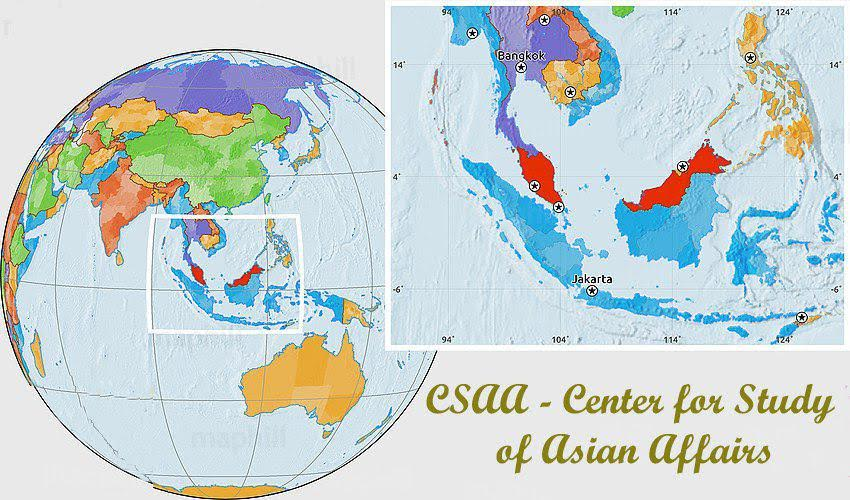
Our Newly established Center for study of Asian Affairs has
branches in Indonesia, Malaysia and Singapore, as well as freelances in some other countries.
For inquires, please contact: newsofasia.info@yahoo.com Mr.Mohd Zarif - Secretary of the Center and administer of the web-site www.newsofasia.net
Polls
 Loading ...