

Malaysia: Keretapi Sarong unites Malaysians in colours
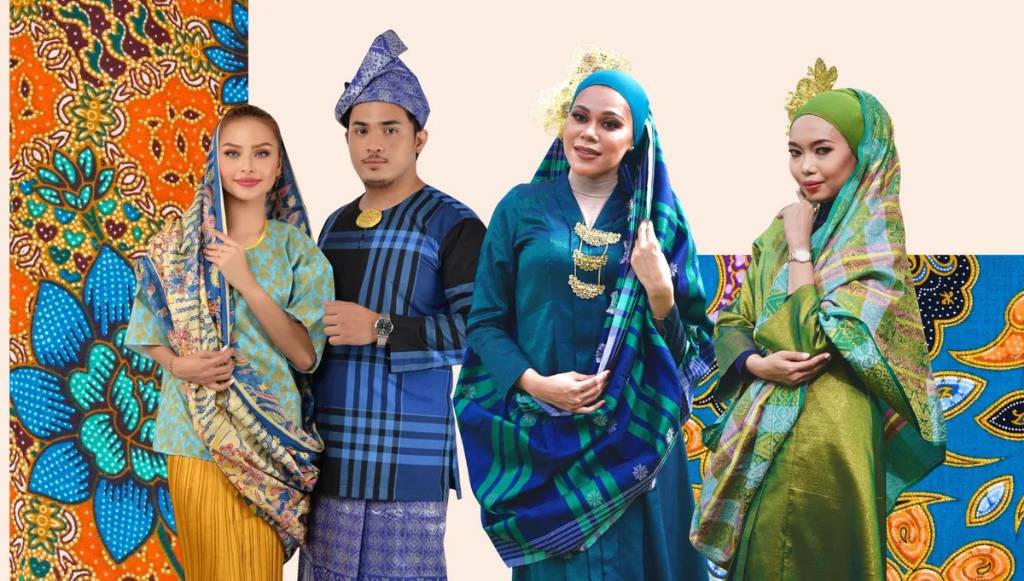

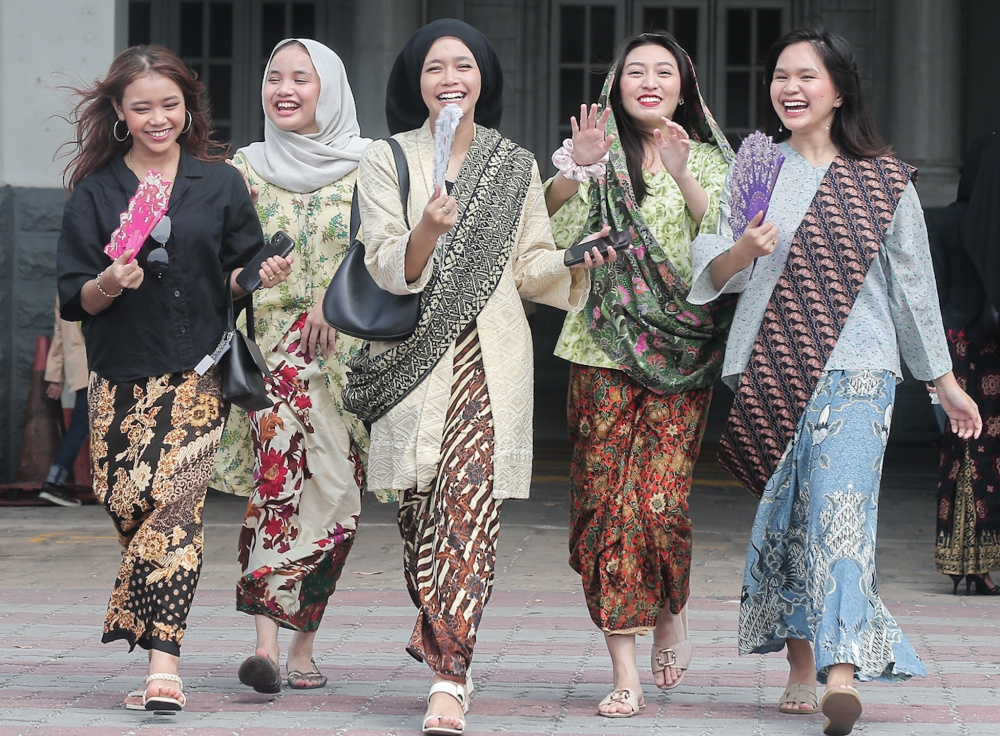
A Sea of colours swept through the country on Malaysia Day yesterday, with the popular Keretapi Sarong event bringing together Malaysians in a vibrant display of culture and heritage. – NSTP / AURIS FAQRURAZZI
A SEA of colours swept through the country on Malaysia Day yesterday, with the popular Keretapi Sarong event bringing together Malaysians in a vibrant display of culture and heritage.
The event also featured cultural performances, traditional games and community activities.
In George Town, nearly 15,000 people dressed in colourful traditional attire turned up for the day-long event at the grounds of the Penang Ferry Museum.
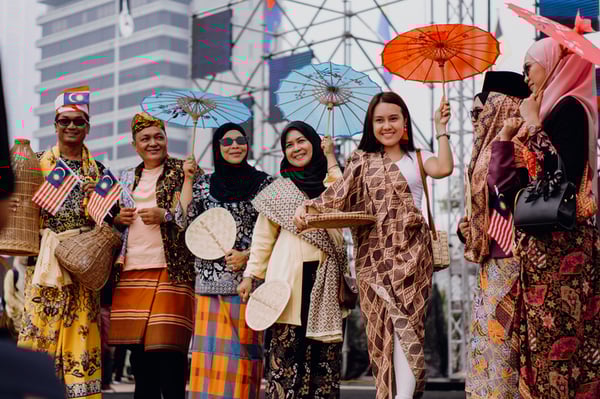
Among them was teacher Chai Chon Keat, 27, from Taiping, who wore a traditional ‘hanfu’ that he described as “authentic traditional Chinese attire”.
“I see people wearing traditional clothes, and they look beautiful. I like traditional clothing, and I enjoy sharing traditional attire with everyone.”
First-time participant Hanushini Vijay Kumar, 18, a pharmacy student, turned heads in her Indian attire.
“It is my first time joining, and I am excited.”
Form Six student Nur Alya Ayuni Mohd Hafiz, 19, from Batu Maung, said her friends encouraged her to attend.
She said the event gave her an opportunity to wear traditional clothing in a way she normally could not.
In Ipoh, 2,000 people took part in the Keretapi Sarong event at the Keretapi Tanah Melayu station.
First-time participant Lye Fong Yeng, 18, from Malim Nawar, arrived wearing a cheongsam.
“I wanted to experience Malaysian culture. It is very interesting because I get to see and learn dances from different cultures and races,” said the mechanical engineering student.
For Muhammad Faizal Abdullah, 32, this was his third time taking part in Keretapi Sarong.
“I like it because it is unique,” he said.
Ipoh Social Club founder Deena Erisa Dila Mohamad Zawawi said unity did not have to involve something complicated.
“Even simple, everyday activities can bring people together,” she added.
By Audrey Dermawan and Zahraulhayat Mat Arif

- Previous Crisis in Bollywood or political nationalistic Hindu narrative is set on: Telugu film needs to be pan-India
- Next Defense Minister Asif: Pakistan to defend Saudis: “If Makkah is attacked, there is no need for an agreement to protect it,”
You may also like...





Random news




About us
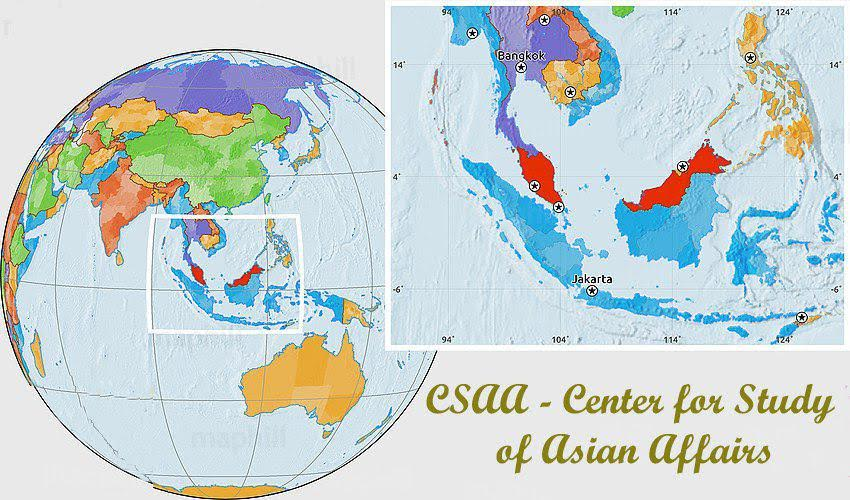
Our Newly established Center for study of Asian Affairs has
branches in Indonesia, Malaysia and Singapore, as well as freelances in some other countries.
For inquires, please contact: newsofasia.info@yahoo.com Mr.Mohd Zarif - Secretary of the Center and administer of the web-site www.newsofasia.net
Polls
 Loading ...