

Japanese Shinjuku Ward plans ban that could shut 2,000 ‘minpaku’
By MASASHI KISANUKI/ Staff Writer
 Shinjuku Ward Mayor Kenichi Yoshizumi, second from right, presents a proposal for tougher minpaku regulations to Koichi Hagiuda, the Liberal Democratic Party’s executive acting secretary-general, center, on May 27. (Provided by Shinjuku Ward Office)
Tokyo’s Shinjuku Ward, addressing nuisance complaints, plans to effectively ban “minpaku” private lodging accommodations in residential areas, a move that could shut down operations at about 2,000 properties, sources said.
That figure represents about half of the minpaku operating in the ward, home to Kabukicho, a major entertainment district crowded with foreign tourists.
Shinjuku Ward, which has the largest concentration of minpaku rentals in Japan, intends to ban new operations in exclusively residential zones and educational districts where schools and other institutions are concentrated.
Existing minpaku facilities in those areas would be phased out after a grace period, according to the sources.
After seeking public feedback, Shinjuku plans to submit a revised ordinance to the ward assembly next year, with implementation targeted for next summer.
As of July 15, Shinjuku had 3,775 properties registered as minpaku under the Housing Accommodation Business Law, accounting for nearly 10 percent of Japan’s 42,070 registered minpaku, the highest total of any municipality nationwide.
Under the minpaku system, individuals rent out their homes or properties to travelers for a fee.
Shinjuku Ward officials say its proposed ban is aimed at addressing persistent complaints from residents about loud noise from minpaku guests, improper garbage disposal and other problems.
Complaints involving legal and illegal minpaku facilities in the ward totaled 1,334 in fiscal 2025, up from 792 the previous fiscal year.
ENFORCEMENT LIMITS
The ward intends to use a framework approved by the Japan Tourism Agency in July that allows municipalities to establish areas where minpaku operations are effectively prohibited year-round under “zero-day regulations.”
Outside of the residential districts, the ward is considering reducing the maximum number of minpaku operating days in commercial districts from 180 to 120 per year.
The ward’s move comes after a series of enforcement actions.

In December, Shinjuku issued Tokyo’s first discontinuation orders under the Housing Accommodation Business Law against four operators running 11 facilities that repeatedly failed to submit required reports on guest stays and other matters.
The ward issued another discontinuation order in March against an operator managing four minpaku properties. According to officials, the operator continued to violate reporting requirements even after receiving a business suspension order in October 2025.
Operators that receive discontinuation orders are barred from the minpaku business for three years.
Ward officials say, however, that such enforcement has its limits.
They cite difficulties proving violations and the challenge of monitoring thousands of properties with limited staff.

Some minpaku operators continue finding ways around regulations even when local governments tighten oversight.
MAYORS UNITE
The central government introduced the minpaku system to help accommodate growing numbers of foreign visitors to Japan.
Kenichi Yoshizumi, mayor of Shinjuku Ward, voiced frustration over the minpaku burden placed on municipalities at a November 2025 news conference.
“All of the work has been dumped on us through a system imposed by the national government,” he said. “We are increasing staff numbers, but we’re nearing our limit. Financially, it is also extremely difficult.”
Shinjuku is not alone in seeking stricter controls.
Ota Ward is also considering introducing “zero-day regulations” that would prohibit new minpaku operations in residential zones and within 100 meters of elementary and junior high schools.
In other areas, Ota Ward plans to limit operations to weekends, from noon Saturday to noon Monday.
Tokyo’s ward mayors have also pressed the central government and the ruling Liberal Democratic Party for tougher oversight.
On May 27, a group of mayors submitted a request to the LDP calling for tighter regulations of the minpaku sector, including limiting operators to those with addresses in Japan and preventing businesses subject to discontinuation orders from obtaining licenses under the Hotel Business Law.
A similar request was submitted to the Japan Tourism Agency two days later.
The request was signed by 21 of Tokyo’s 23 wards, excluding Suginami and Setagaya.

- Previous Israeli minister Itamar Ben-Gvir called for Israel to officially recognize Argentina’s sovereignty over the Falkland Islands
- Next Indian city of Surat is becoming India’s new spending hub
You may also like...






Random news









About us
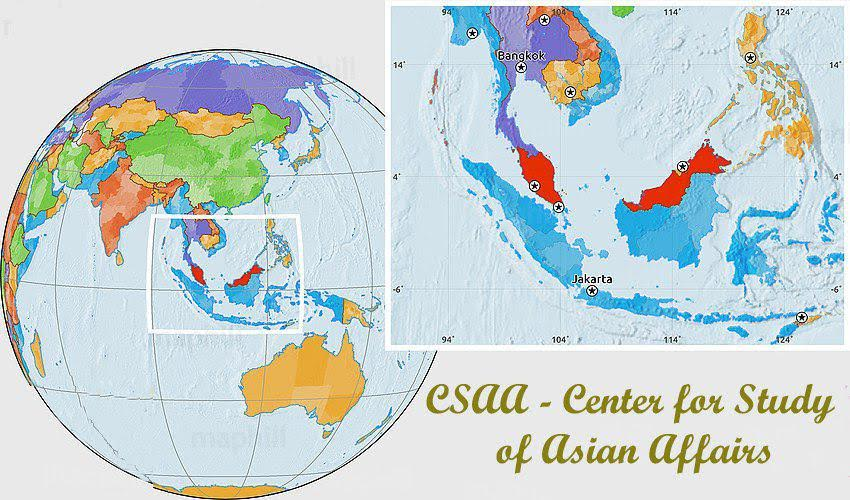
Our Newly established Center for study of Asian Affairs has
branches in Indonesia, Malaysia and Singapore, as well as freelances in some other countries.
For inquires, please contact: newsofasia.info@yahoo.com Mr.Mohd Zarif - Secretary of the Center and administer of the web-site www.newsofasia.net
Polls
 Loading ...