

China: US-backed Taiwan independence ‘dead end’
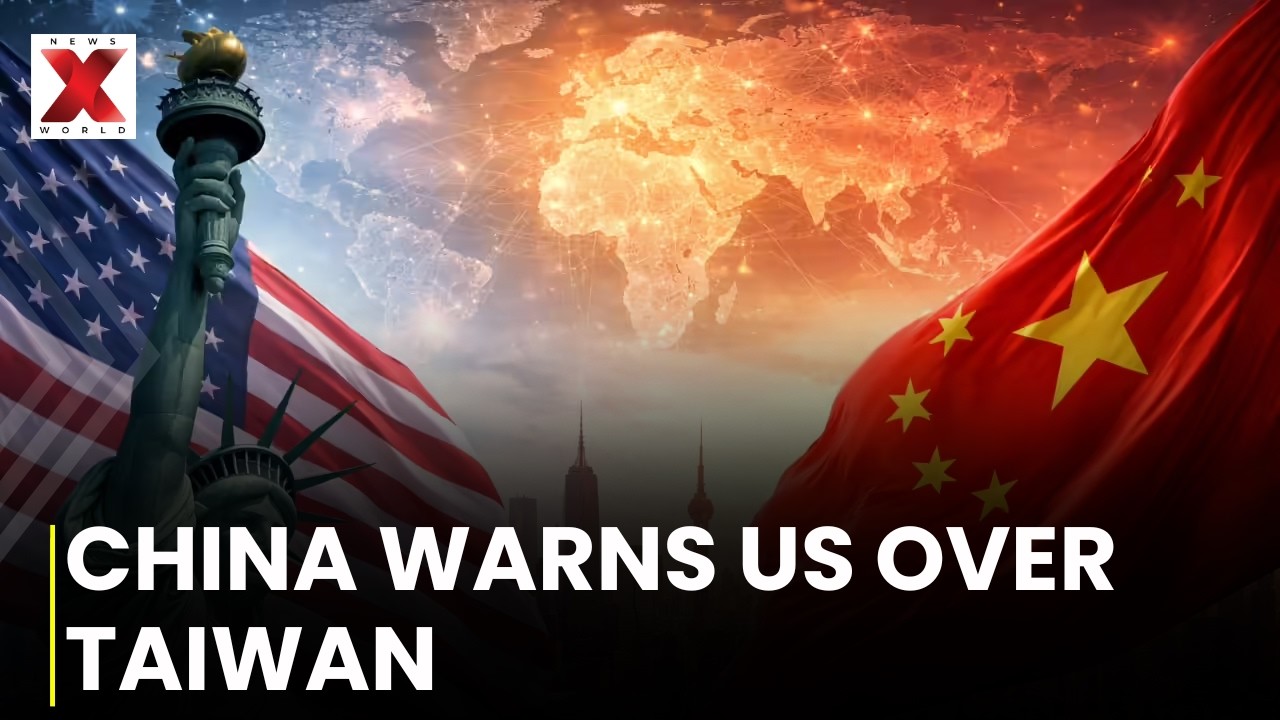
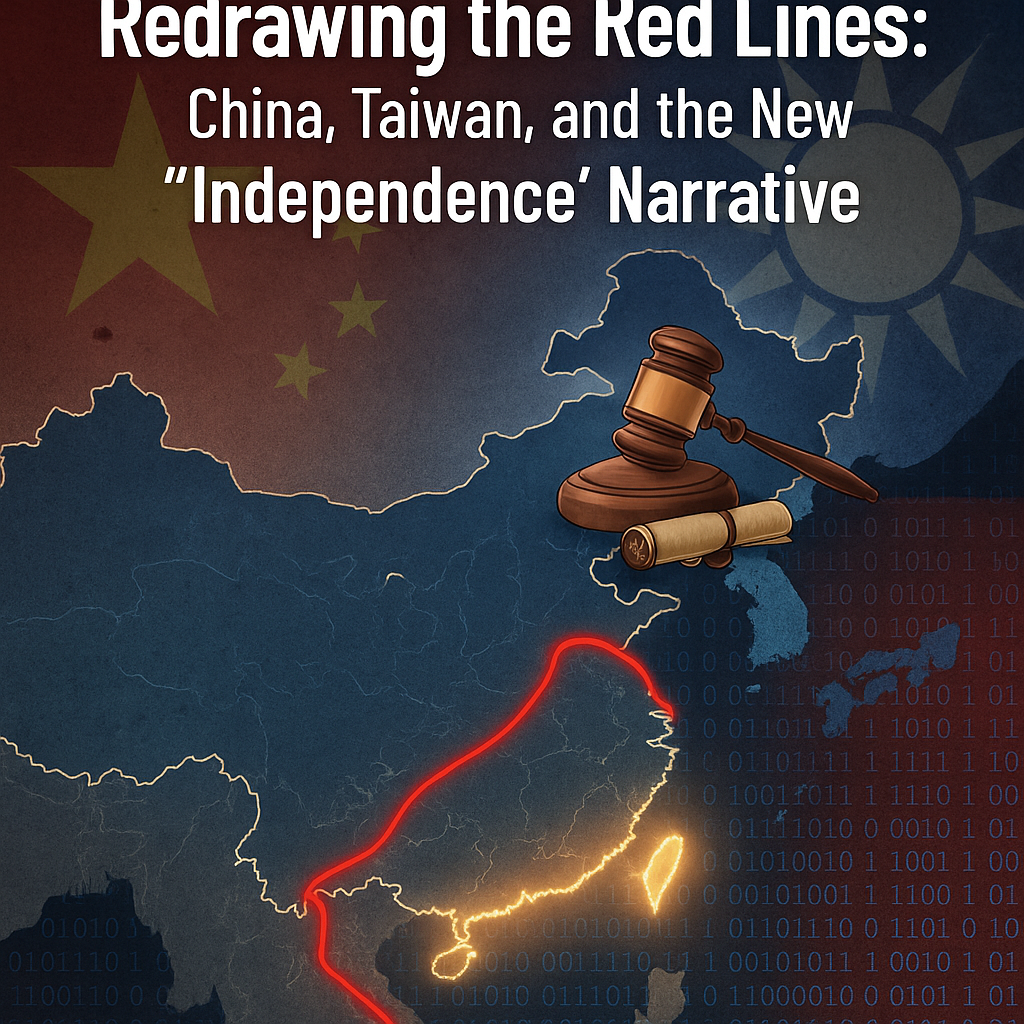
China on Thursday warned that attempts by Taiwan’s authorities to pursue separatism through expanded military cooperation with the United States would ultimately fail, after Taiwan’s leader, Lai Ching-te, called for Washington to approve a proposed $14 billion arms package “as soon as possible.”
Speaking at a regular press briefing in Beijing, Chinese Foreign Ministry spokesperson Lin Jian reiterated that Taiwan is an internal Chinese matter and rejected any effort to use foreign military support to advance separatist objectives.
“Seeking independence by relying on the United States or through military means is a dead end.” Lin added that Lai’s latest remarks “only expose his deep-seated anxiety and insecurity.”
Taipei seeks faster US arms approval
The comments came after Lai urged the United States to move quickly on the proposed arms package, arguing that Taiwan sought to strengthen its military while “reject[ing] unification” under the Chinese Communist Party. He also claimed Taiwan’s defense policies “should not be seen as a provocation against China or a troublemaker in the region.”
Beijing has consistently opposed US arms sales to Taiwan, arguing that such transfers violate the One-China principle and the commitments Washington made when establishing diplomatic relations with the People’s Republic of China. Chinese officials have repeatedly maintained that foreign military support emboldens separatist forces on the island and undermines peace and stability across the Taiwan Strait.
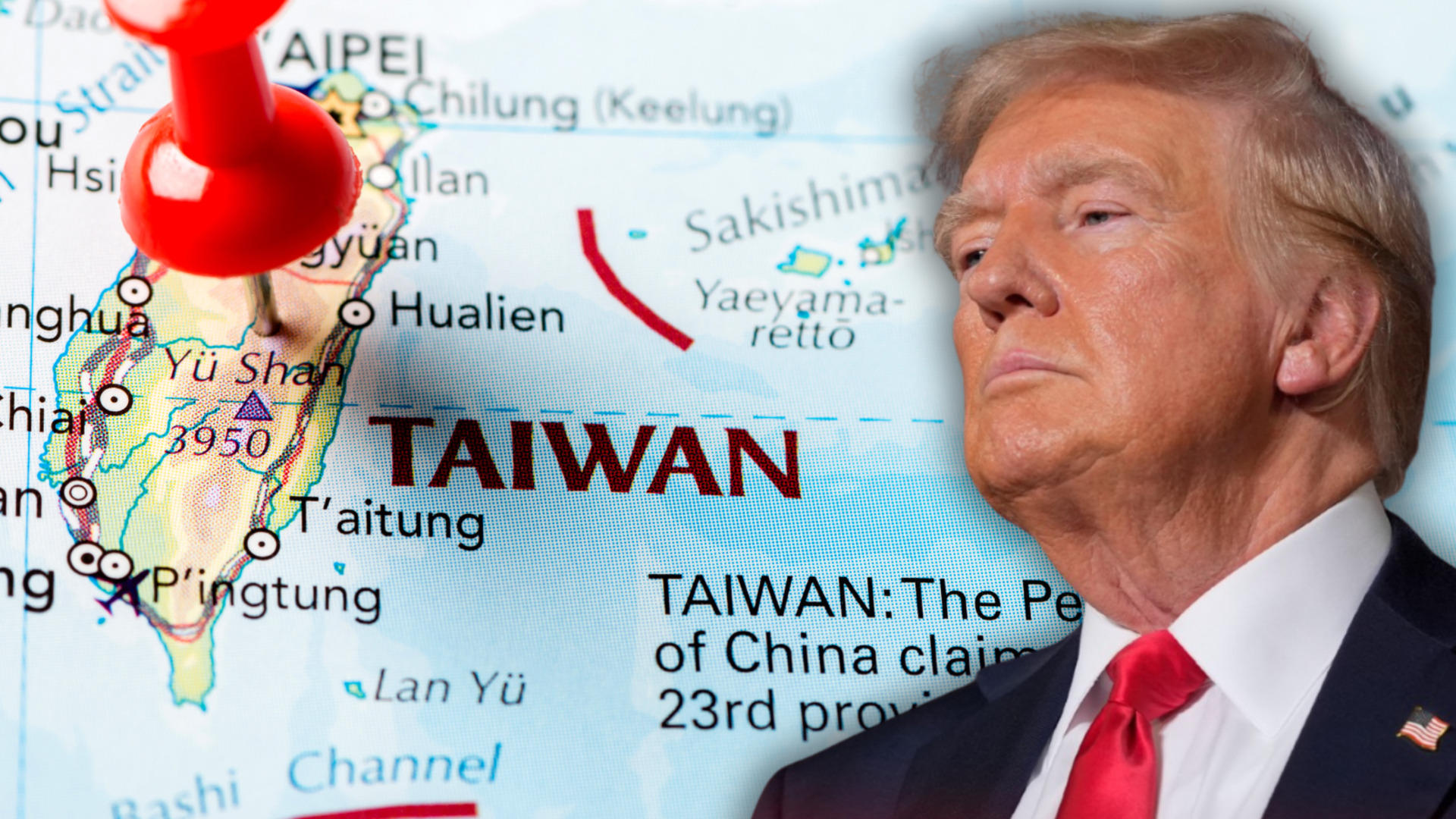
The proposed $14 billion package remains under review in Washington. US Secretary of State Marco Rubio recently confirmed that the sale has not yet been approved, while US officials have also weighed the impact of depleted American weapons stockpiles following recent military operations in Iran.
Maritime tensions remain in focus
Lai also accused China of increasing pressure across the Indo-Pacific, including over maritime issues involving Japan and the Philippines, while pledging to expand Taiwan’s military spending and invest further in domestically produced defense systems.
Beijing, however, has maintained that questions concerning Taiwan and surrounding waters fall within China’s sovereignty and has warned against external interference in what it considers purely internal affairs.

- Previous Foreign Investments Forum held in Uzbekistan capital of Tashkent
- Next After Israeli and UAE recognition of Somaliland, now Puntland starts drifting awau
You may also like...




Random news




About us
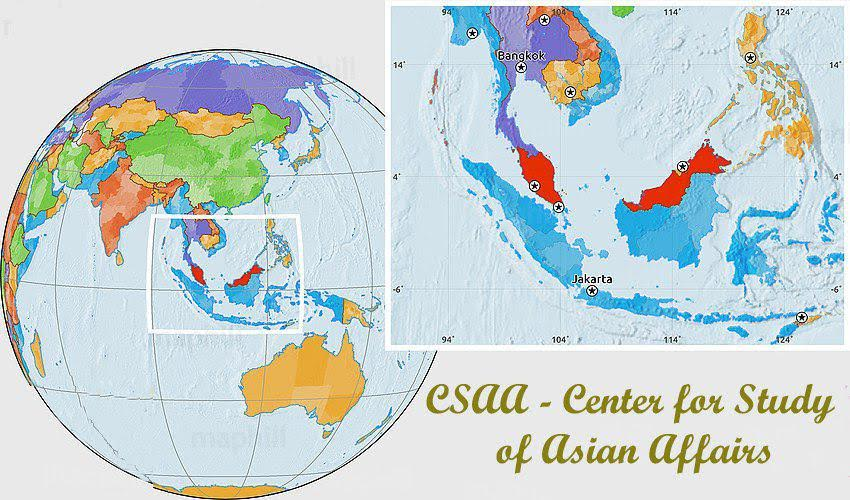
Our Newly established Center for study of Asian Affairs has
branches in Indonesia, Malaysia and Singapore, as well as freelances in some other countries.
For inquires, please contact: newsofasia.info@yahoo.com Mr.Mohd Zarif - Secretary of the Center and administer of the web-site www.newsofasia.net
Polls
 Loading ...