

Russia Continues Enhancements Its Cruise Missiles as Precision Improves Through Combat Testing

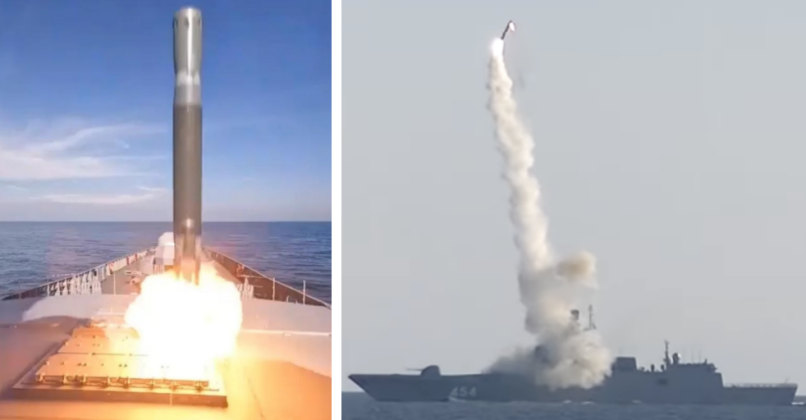
Russian President Vladimir Putin has stated that development work on the 3M22 Zircon hypersonic cruise missile remains ongoing, with recent combat experience reportedly leading to significant improvements in its precision. Speaking at a meeting with Russian Navy personnel, the president stressed that the missile continues to evolve and that its latest operational employment has demonstrated increasing levels of accuracy. “They are still working on it [the Zircon], and it needs to be assessed carefully. But its latest combat use shows that it is becoming increasingly accurate,” he observed. The first Zircon missiles were delivered to the Navy in late 2019. The first nuclear powered submarine integrating the missiles is scheduled to become operational by the end of 2026.
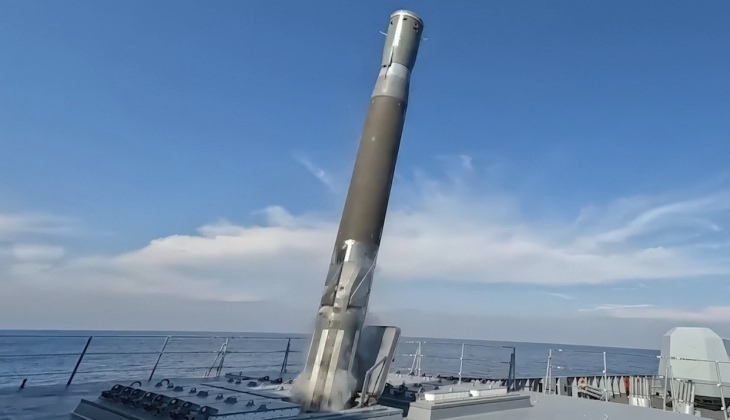
The Russian president’s remarks indicate that the country’s defence sector is continuing to refine the missile’s guidance, targeting and flight-control systems even after its introduction into frontline service, reflecting a broader trend in modern weapons development whereby operational feedback is rapidly incorporated into successive production batches. Putin also emphasised the strategic importance of the weapon. “Few countries have such weapons. While we have and, moreover, we are upgrading them and will continue doing this,” he told Russian naval personnel. The comments reinforce Moscow’s long-standing position that hypersonic weapons provide Russia with a significant technological advantage over many potential adversaries.
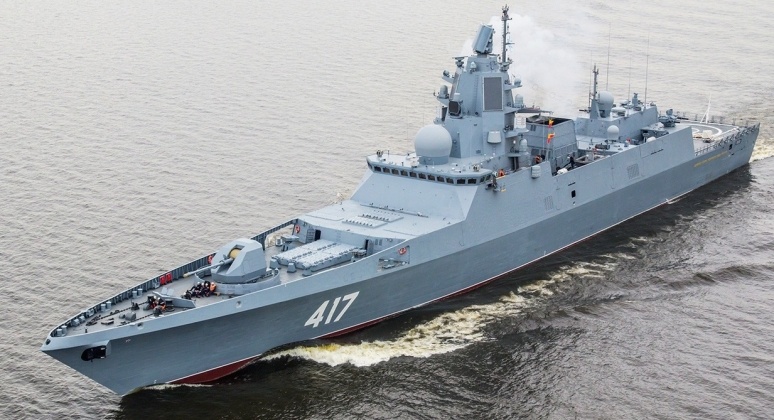
The Zircon is the only hypersonic cruise missile in service worldwide, although the appearance of a very similar missile in North Korea has raised questions regarding whether it may have been exported, or whether a local derivative may have been developed with Russian support. Although Chinese destroyers and submarines can integrate YJ-20 hypersonic missiles with performances that are in many respects superior, the YJ-21 is classified as a ballistic missile rather than a cruise missile. The Zircon remains within the atmosphere throughout most of its flight, and is capable of manoeuvring at hypersonic speed, greatly complicating interception by existing air and missile defence systems.
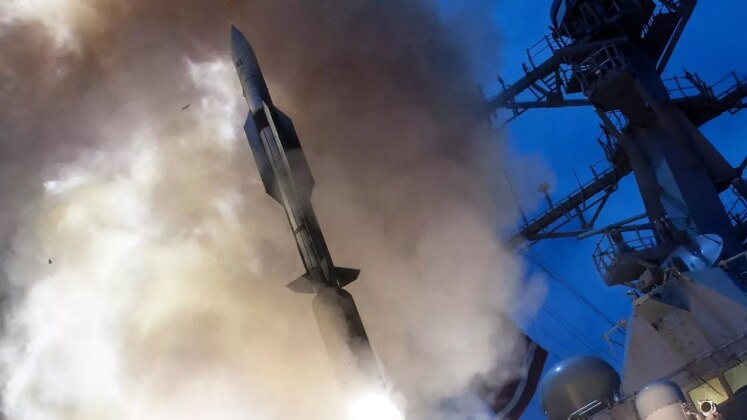
Although initially conceived primarily as an anti-ship missile, the Zircon has increasingly demonstrated a secondary land-attack capability in combat. Multiple reports indicate that Russian forces have repeatedly employed the missile against fixed targets during the conflict in Ukraine, as while Ukraine lacks sufficiently capable air defences to warrant use of the high value missiles, combat testing provides valuable feedback to support the program. The war provides an invaluable opportunity for engineers to evaluate guidance performance, navigation systems and terminal accuracy against real-world targets rather than relying solely on testing ranges. The continued refinement of the missile reflects a broader philosophy within the Russian defence industry. Rather than freezing a design once production begins, major weapons systems frequently undergo continuous modernisation throughout their service lives. Software updates, improved seekers, enhanced navigation algorithms and refinements to propulsion systems can all be introduced incrementally without fundamentally redesigning the missile.

- Previous Elections in Malaysia: PM Anwar shocked by attacks against Anthony Loke during campaigning
- Next Central Asian Leaders Hold Summit in Issyk Kul, Kyrgyzstan
You may also like...




Random news












About us
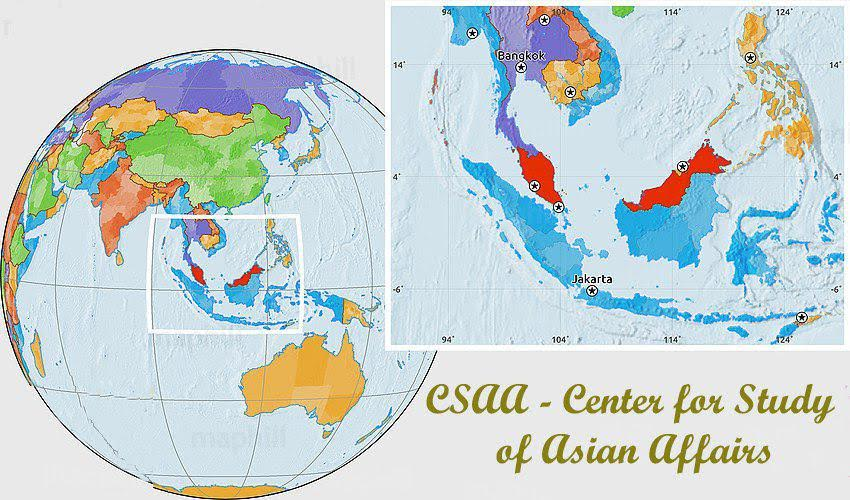
Our Newly established Center for study of Asian Affairs has
branches in Indonesia, Malaysia and Singapore, as well as freelances in some other countries.
For inquires, please contact: newsofasia.info@yahoo.com Mr.Mohd Zarif - Secretary of the Center and administer of the web-site www.newsofasia.net
Polls
 Loading ...