

Japan to get critical minerals from Australia
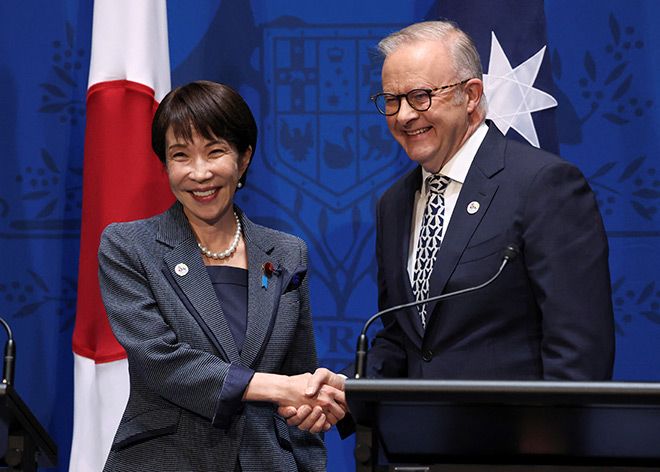 Australia’s Prime Minister Anthony Albanese and Japan’s Prime Minister Sanae Takaichi shake hands during a press conference at Parliament House in Canberra, Australia, May 4. (REUTERS/Hollie Adams)
SYDNEY–Australia and Japan agreed on Monday to deepen cooperation on energy and critical minerals, as Japan Prime Minister Sanae Takaichi met Australian counterpart Anthony Albanese during a three-day visit to the country.
After signing a landmark defence deal last month, the two nations agreed to strengthen energy, food and critical minerals supply chains.
“Australia and Japan are taking action to protect our economies from future economic shocks and uncertainty,” Albanese said in a statement.
“By working together, we will achieve more secure and resilient supply chains that will benefit Australian and Japanese businesses and consumers now and into the future.”
Australia provides approximately one-third of Japan’s energy supply, and is the country’s largest market for liquefied natural gas.
Both nations have been attempting to shore up energy supply as tensions in the Middle East strangle trade. Japanese firms havealso been closely watching developments in the Australian LNG industry, from the risk of strikes at a major gas facility and rising political pressure to increase taxes on exports.

“Like Japan, we are very concerned by disruptions to the supply of liquid fuels and refined petroleum products,” Albanese said on Monday.
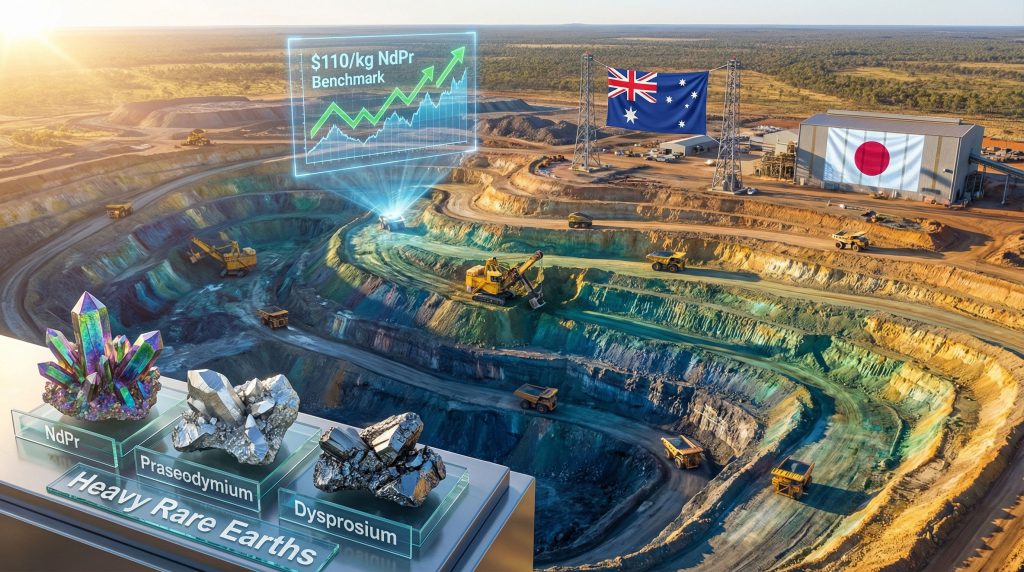
Australia also plans to provide support of up to A$1.3 billion ($937 million) to critical mineral projects with Japanese involvement, creating the potential to supply Japan with resources including gallium, nickel, graphite, rare earths and fluorite.
Takaichi arrived in Australia from Vietnam, where she discussed energy and critical minerals and urged Southeast Asian nations to bolster regional supply chains.
Last month, Japan signed contracts launching a A$10 billion ($7 billion) deal to supply Australia with warships in Tokyo’s most significant military sale since ending a ban on such exports in 2014.
($1 = 1.3877 Australian dollars)

- Previous Gulf war impact: despite US sanctions and shadow flee mess, Japan in line to buy Russian oil
- Next To Last For Only About Two Years!? Finally Japan and South Korea Together
You may also like...

Random news




About us
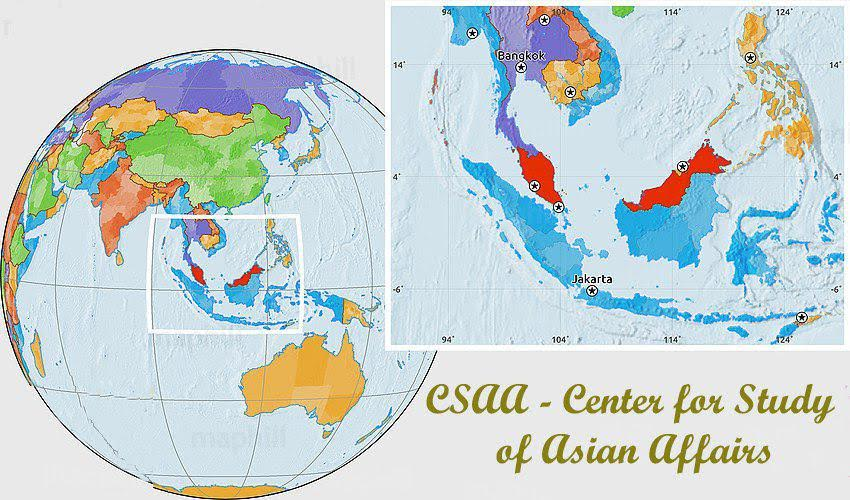
Our Newly established Center for study of Asian Affairs has
branches in Indonesia, Malaysia and Singapore, as well as freelances in some other countries.
For inquires, please contact: newsofasia.info@yahoo.com Mr.Mohd Zarif - Secretary of the Center and administer of the web-site www.newsofasia.net
Polls
 Loading ...