

1st electric 3-row Lexus SUV for release in winter – TOYOTA

By CHINAMI TAJIKA/ Staff Writer
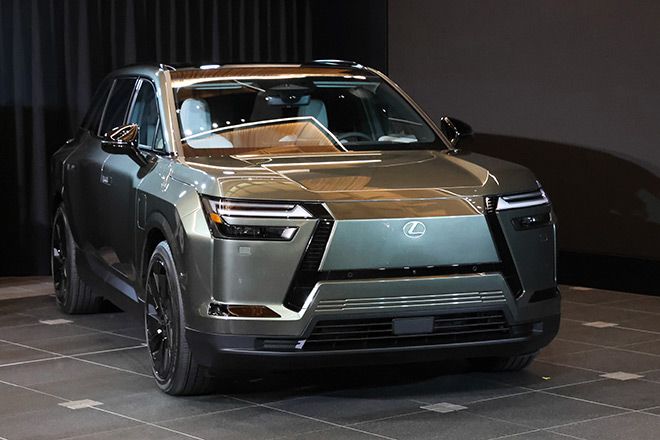 The TZ SUV under the Lexus brand is unveiled on May 7 in Toyota, Aichi Prefecture. (Tadashi Mizowaki)
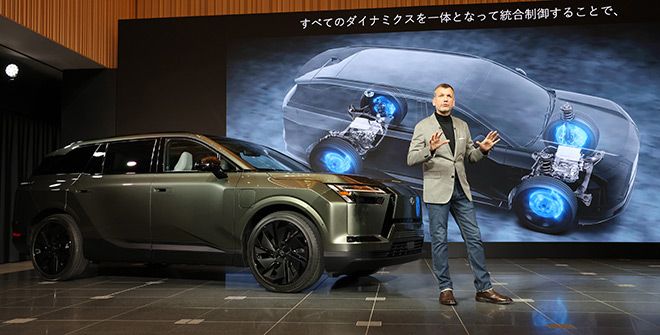
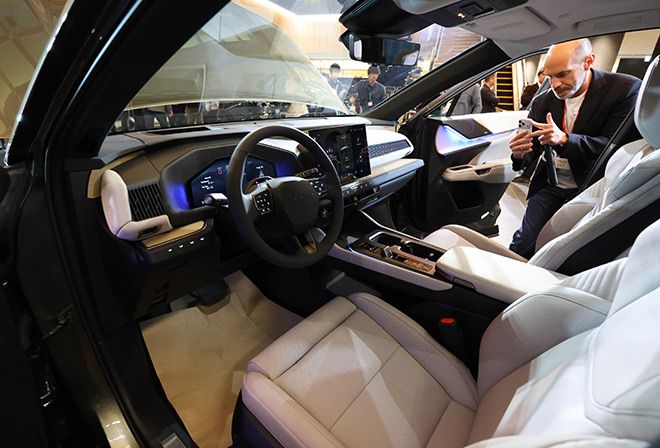
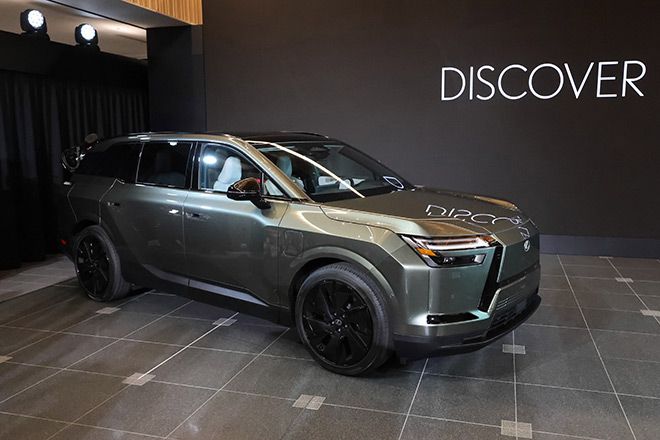
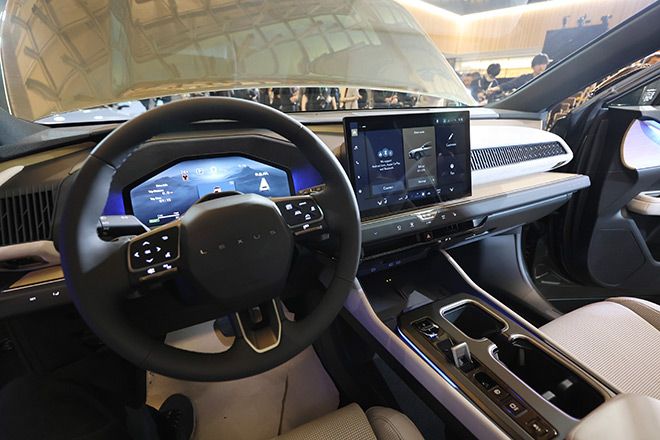
Toyota Motor Corp. showcased its new electric sports utility vehicle (SUV) under the luxury Lexus brand on May 7 with plans to make it commercially available in Japan this winter.
The TZ model will be the first electric Lexus SUV with three rows of seats.
With a seating capacity of six people, the eco-friendly model measures 5.1 meters in length and 1.99 meters in width.
Targeted mainly at families, the model’s design is expected to help maintain quietness inside the cabin, ensuring voices on board can be heard clearly even from the third row.
The TZ will be the first Lexus vehicle with a dedicated safety device that small children can use to buzz an alarm and flash hazard lights if they have been left inside.
The TZ version to be released in Japan boasts an estimated maximum driving range of 620 kilometers on a single charge. Pricing will be officially announced at a later date.
During the presentation on May 7, Simon Humphries, a Toyota operating officer responsible for the TZ’s design, said the new SUV will not only meet the “practical needs of families” but will also “spark pride and excitement” every time motorists approach it.
The TZ came to fruition at Toyota Technical Center Shimoyama, a research and development facility with a test course spanning the cities of Toyota and Okazaki in Aichi Prefecture.
The automaker started full operations at the center in 2024.
“The performance of the new model has been enhanced significantly because all officials involved in its design and development were brought together at the center,” a Toyota representative said.
In 2025, Toyota sold 200,000 EVs around the world, including 14,000 Lexus units.
The main markets for Lexus are the United States, China and Europe. The TZ is also aimed at consumers in urban regions in the United States and China.
Market conditions in North America have deteriorated after President Donald Trump’s administration abolished tax credits for electricity-powered automobiles.
Still, Toyota expects demand will remain stable along the U.S. west coast and other places with well-developed recharging infrastructure.

- Previous The New Tool of Asymmetric War of Beijing: Chinese militia using fishing boats to form ‘walls’ at sea
- Next Uzbekistan, Afghanistan Open New Cargo Terminal on Hairatan-Mazar-i-Sharif Railway
You may also like...





Random news












About us
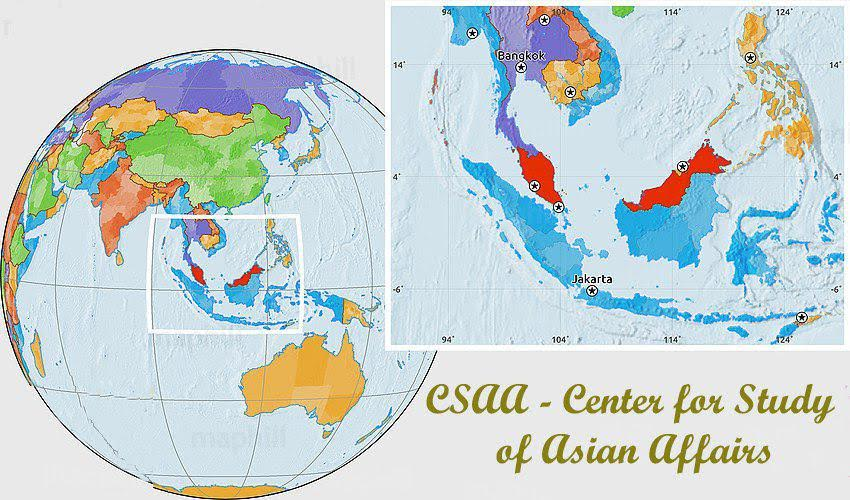
Our Newly established Center for study of Asian Affairs has
branches in Indonesia, Malaysia and Singapore, as well as freelances in some other countries.
For inquires, please contact: newsofasia.info@yahoo.com Mr.Mohd Zarif - Secretary of the Center and administer of the web-site www.newsofasia.net
Polls
 Loading ...