

Tashkent Showcases Rise of Uzbekistan as Regional Innovation Hub
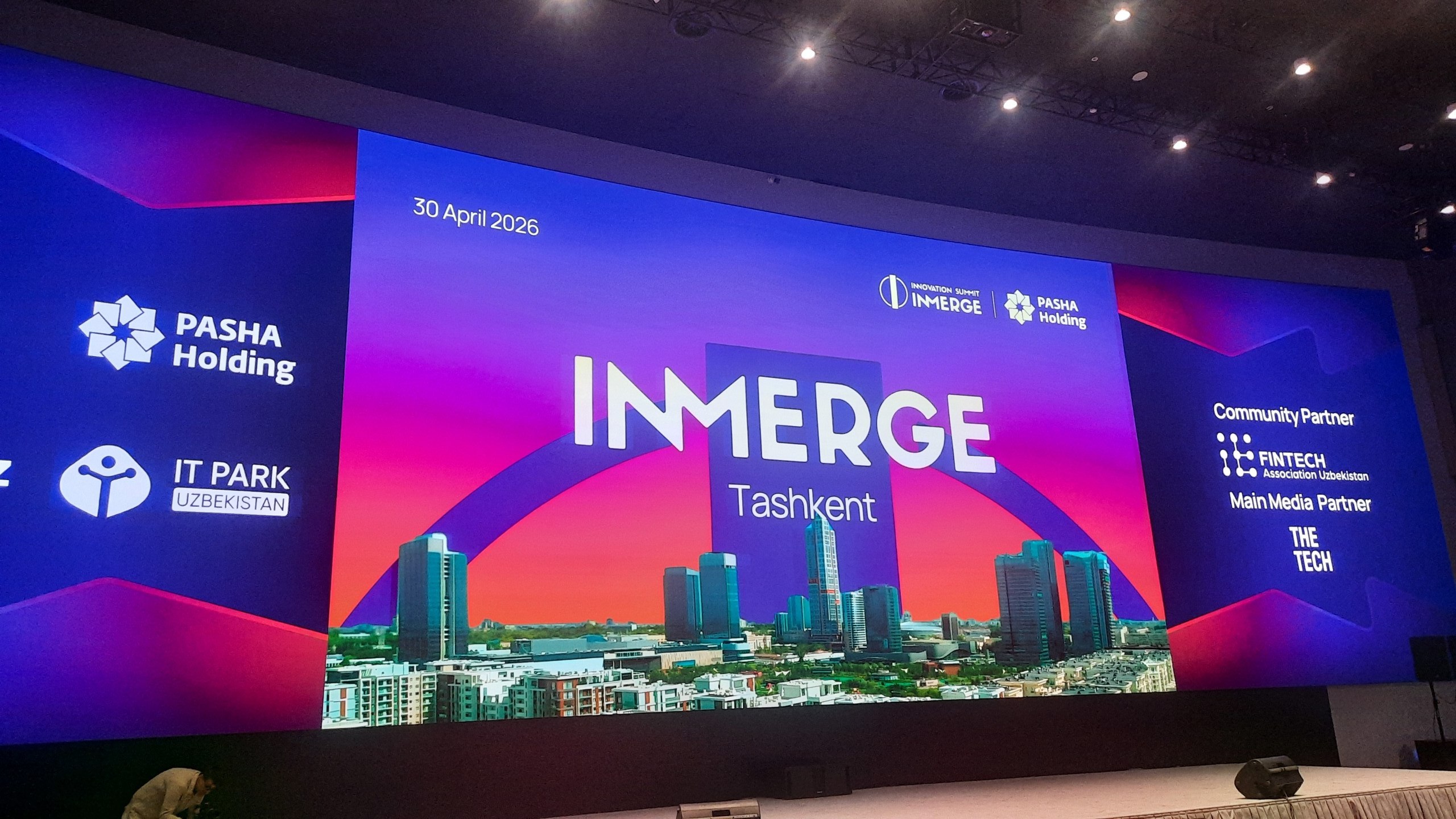
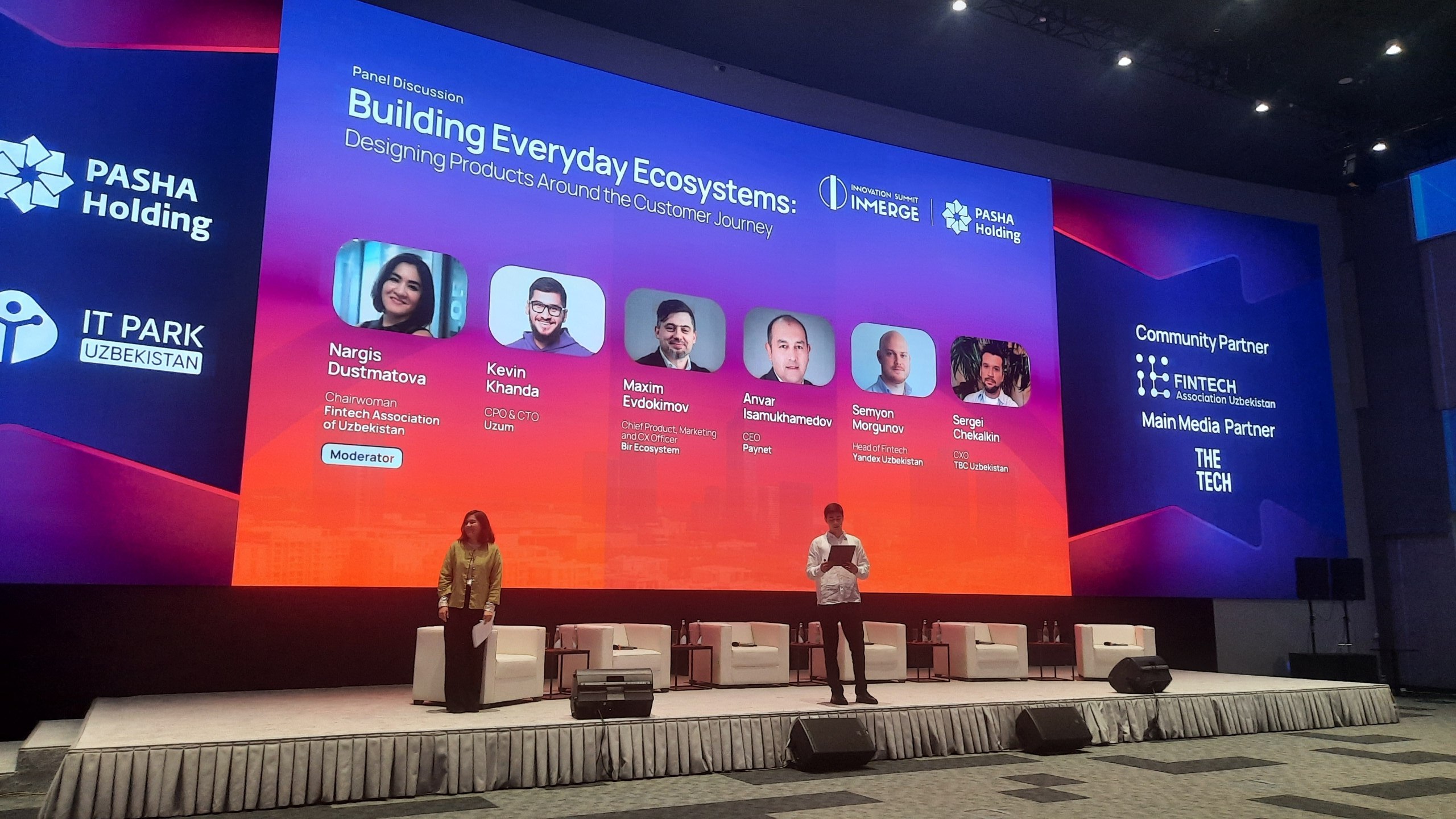
Image: TCA
On April 30, investors, founders and corporate leaders gathered in Uzbekistan’s capital, Tashkent, for the latest incarnation of the INMerge Innovation Summit. The traveling series followed an earlier session in Istanbul and will lead into the main summit scheduled for October 8-9 in Baku.
In Tashkent, discussions centered on a question that continues to define Uzbekistan’s digital trajectory: how to turn rapid growth into a sustainable, interconnected ecosystem capable of competing beyond national borders.
Two core discussions framed the agenda. The first focused on how companies are building digital ecosystems around everyday user needs. The second addressed a more structural issue: whether capital alone is enough to build what some participants called a “Digital Silk Road,” or whether deeper foundations are required.
A Rising Regional Star
The series of summits has been organized by PASHA Holding, an Azerbaijani conglomerate owned by the ruling Aliyev and Pashayev families.
For Tughra Musayeva, Head of Innovations at PASHA Financial Holding and Managing Partner at INMerge Ventures, Uzbekistan stands out as a “rising star of the region”.
“It’s rich in human talent and capital, and increased political support for innovation and tech infrastructure is already showing results,” she told The Times of Central Asia on the sidelines of the event. “In the coming years, we’re going to see many interesting startups and projects emerging from Uzbekistan.”
Musayeva challenged a common assumption about emerging tech markets – that they remain dependent on foreign expertise. In her view, Tashkent already has most of the elements needed to sustain growth internally.
“What we see right now is a very self-sufficient platform. There is infrastructure and the right actors are in place. The next step is about scaling, especially across borders,” she said, pointing to her ambition to increase cross-border collaboration between Central Asia and the Caucasus.
A similar emphasis on connectivity came from her colleague Ulviyya Mehraliyeva, innovation events manager at PASHA Financial Holding and a member of the INMerge team. For her, the Tashkent gathering was part of a broader effort to link ecosystems that often develop in isolation.
“What differentiates us is our focus on connecting ideas, people, ecosystems, and talent with opportunities,” she told TCA. “We believe Tashkent has huge potential. There has been significant investment and development in the startup ecosystem.”
To her, the city is already emerging as a regional hub, but she cautioned that Uzbekistan still has a lot to learn from outside.
“It’s both building your own ecosystem while also learning from others. This is a stage of development. Every region goes through it,” she said. “We believe that collaboration between countries like Azerbaijan and Uzbekistan will only strengthen that.”
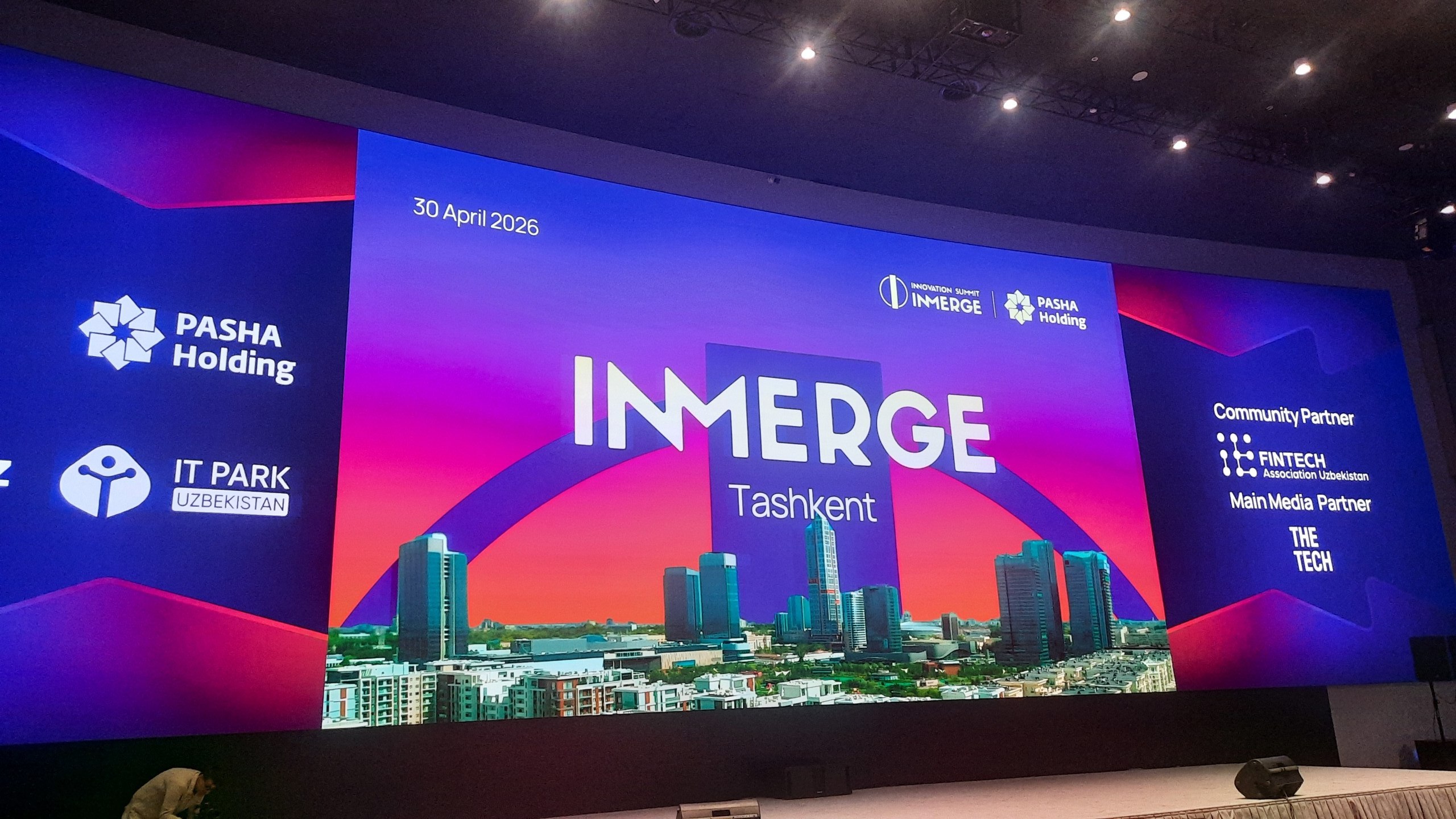
Image: TCA
The View from the Ground
Practitioners working within Uzbekistan’s tech sector were more circumspect.
Dalerkhon Nodirov, CEO of IT Park Ventures, offered a more measured view of the country’s technological independence, particularly in the field of artificial intelligence.
“We don’t yet have our own AI models,” he said. “At this stage, we still depend on international players.”
Nevertheless, he noted the ongoing efforts to address this by building local capacity, including the development of datasets that could eventually support homegrown systems.
“We are working on it,” he said. “Later, we may develop our own models and systems. But for now, this is part of the process.”
Uzbekistan’s Unicorn Success Story
That tension between global integration and local development also surfaced during a panel discussion on building “everyday ecosystems,” where companies discussed how they are reshaping consumer behavior.
Kevin Khanda, Chief Product and Technology Officer at Uzum, Uzbekistan’s first tech unicorn, described the company’s experience in shifting Uzbek consumers from traditional, offline shopping habits to digital platforms.
“Our main challenge was understanding how to build trust and maintain it,” he explained. “Without trust, there is no e-commerce.”
Before Uzum entered the market, online retail in Uzbekistan faced serious credibility issues. Delivery reliability was inconsistent, and customers often received items that did not match what they had ordered.
“The service level was around 35% to 40%,” Khanda said. “That means there was a very high chance you would not receive what you expected.”
For Uzum, solving that problem required heavy investment in physical infrastructure, including warehouses that allowed it to control inventory directly.
“All the goods you see on the platform are actually in our warehouses,” he said. “We know exactly what is in stock.”
This approach was complemented by a network of delivery points, introducing an offline element into the online shopping experience. Customers can pick up orders, try items, and return them if necessary.
According to Khanda, Uzum now has more than 1,800 delivery points across Uzbekistan, and the network is expected to grow further.
“Four years ago, if a family in Nukus wanted to buy a television, they might have had to travel to Tashkent and spend two days on the trip,” he said. “Now, they can order it and receive it the next day.”
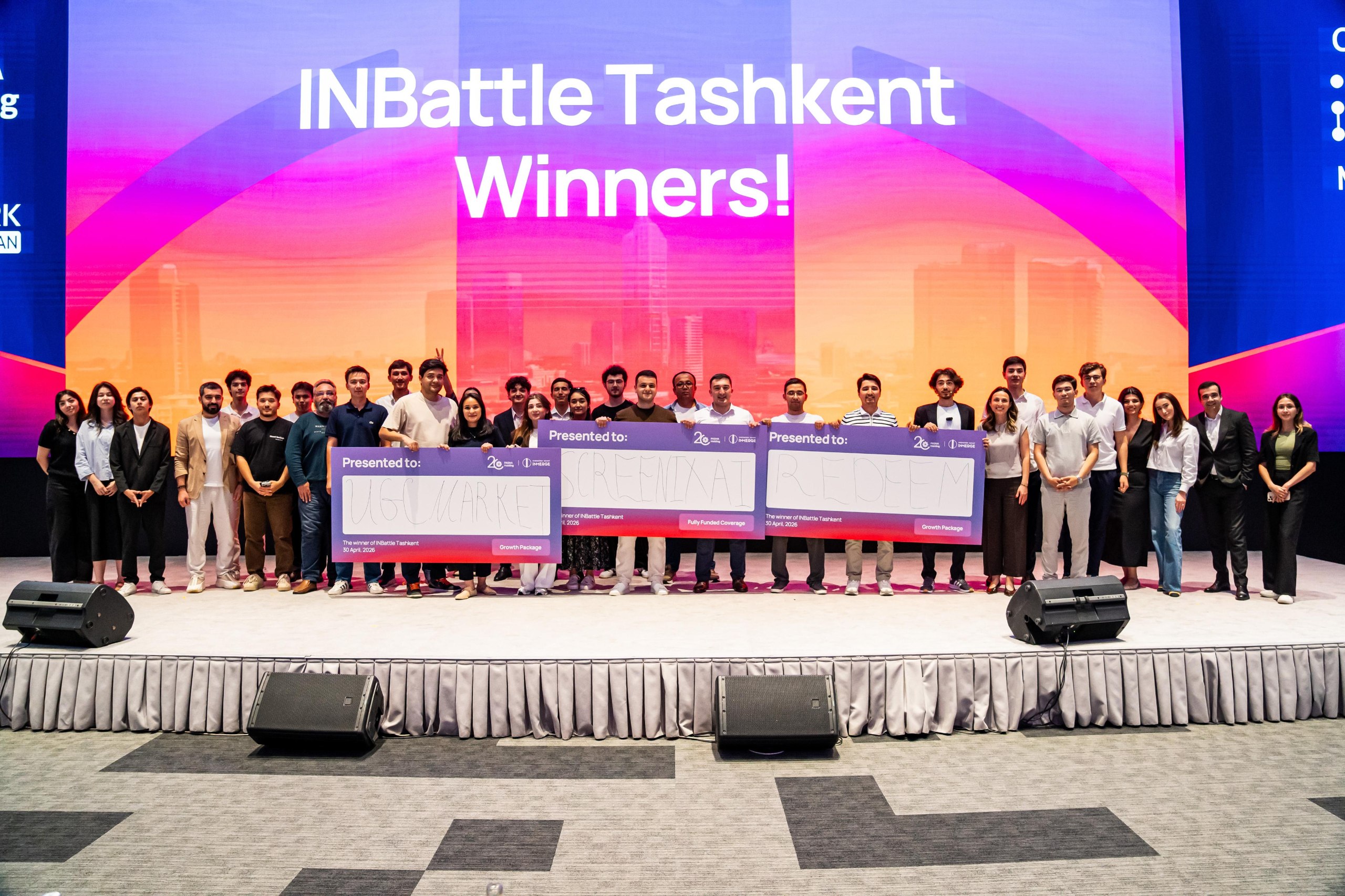
Image: TCA
Trust extends beyond logistics. In fintech, the stakes are even higher, as users must feel confident that their money is secure.
To address this, Uzum introduced incentives designed to encourage digital payments, including discounts for customers using its financial services.
“Last year, we subsidized more than $15 million in discounts,” he said. “This is also part of building trust, giving people a reason to use the system.”
Challenges Beyond Investment
The discussion highlighted how infrastructure, user experience, and financial incentives intersect in shaping digital ecosystems. It also underscored a broader point raised throughout the summit: technology alone is not enough.
That theme was central to the second panel, which examined whether capital alone can drive the creation of a regional digital economy.
“Capital is important, but it is not everything,” said Musayeva during the discussion. “You need the right environment, the right policies, and the right connections between markets.”
The idea of a “Digital Silk Road”, a network of interconnected tech ecosystems stretching across Central Asia and beyond, remains an aspiration. But events like INMerge suggest that the building blocks are beginning to take shape.
New Talent
The Tashkent roadshow concluded with a startup pitch competition, where selected teams presented their ideas to a panel of regional investors.
Fariza Islamova, a manager in the startup ecosystem development department at IT Park, said the competition attracted strong interest from local entrepreneurs.
“We received around 120 applications, and selected 10 startups to participate,” she told The Times of Central Asia.
Of these 10, three were chosen to advance to the final round of the competition in Baku later this year, earning themselves a shot at the top prize of $50,000.
Screenix AI, which took first place, will receive a fully funded participation package. Two other startups, UGC Market Uzbekistan and Redeem, were awarded partial support.


- Previous Iran official warns: US-Iran war ‘likely’
- Next Isha Ambani and her dress tells story of India
You may also like...






Random news






About us
Our Newly established Center for study of Asian Affairs has
branches in Indonesia, Malaysia and Singapore, as well as freelances in some other countries.
For inquires, please contact: newsofasia.info@yahoo.com Mr.Mohd Zarif - Secretary of the Center and administer of the web-site www.newsofasia.net
Polls
 Loading ...