

Analysis: Turkey’s Energy Outlook 2026: Geopolitics, Domestic Hydrocarbons, And The Expansion Of The Power System
This article examines Turkey’s energy outlook through the analytical framework of the Turkish Chamber of Mechanical Engineers (TMMOB / MMO) “Energy Outlook” tradition.[1]
1. A Shifting Global Energy Order
The global energy system has entered a structurally fragmented phase. Energy flows are increasingly shaped by geopolitics rather than purely economic optimization.
The Russia–Ukraine war has permanently reshaped European gas markets. Pipeline dependency on Russia has been replaced by LNG imports, diversification strategies, and accelerated investment in renewables and nuclear capacity.

This transition has elevated Turkey’s strategic importance as a multi-directional energy corridor and potential regional gas trading hub.
2. Europe’s Energy Transition and Turkey’s Emerging Hub Role
Europe’s new energy architecture is built on three pillars:
- LNG import expansion
- Supply diversification
- Rapid electrification and decarbonization
Within this framework, Turkey’s infrastructure—TANAP, TurkStream, LNG terminals, and underground storage—has evolved from transit assets into balancing and pricing nodes.
This shift redefines Turkey not as a corridor alone, but as a regional energy system stabilizer.[3]
3. Gulf and Middle East Instability: Persistent Market Volatility
Ongoing geopolitical tensions in the Gulf region, including Iran–Israel risk dynamics and Red Sea maritime insecurity, continue to affect global oil and LNG supply chains.
For Turkey, the macroeconomic implications remain significant:
- Oil price volatility increases current account pressure
- LNG market tightening raises import costs
- Energy security requires flexible infrastructure and storage
As a result, Turkey’s energy model increasingly combines pipeline imports, LNG, domestic production, and storage flexibility into a hybrid security system.
4. Electricity System Expansion in Turkey (2025–2026 Update)
Turkey’s electricity sector has entered a phase of rapid structural expansion.
Installed Capacity
As of April 2026, Turkey’s total installed electricity capacity reached:
≈ 125,000–125,400 MW (125 GW).[2]
This marks a continued upward trajectory driven primarily by renewable energy expansion, especially solar PV and wind.
Capacity mix (approximate shares):
- Hydro: ~25.8%
- Solar: ~21%+
- Natural gas: ~19.8%
- Coal: ~17.6%
- Wind: ~12%
- Others (geothermal, biomass, etc.): ~3%
Annual Electricity Generation
In 2025:
- Electricity generation: ~362.9 TWh
- Consumption: ~360.9 TWh
- Growth rate: +2.4% generation increase year-on-year[2]
The generation mix remains diversified:
- Coal: ~33.6%
- Natural gas: ~23%
- Hydro: ~15.8%
- Wind: ~10.9%
- Solar: ~10.5%
- Others: ~6%
Structural Interpretation
Two key structural trends stand out:
- Renewables exceed one-fifth of total generation, with solar and wind growing fastest.
- Installed capacity growth is outpacing demand growth, indicating increasing reserve margins and investment momentum.
5. Investment Momentum and Future Capacity Expansion
Turkey’s electricity sector is entering a capital-intensive expansion cycle.

Key investment drivers include:
1. Renewable Expansion
- Solar and wind expansion targeting 120 GW combined long-term
- Hybrid plants and distributed generation growth
2. Grid Modernization
Turkey is preparing large-scale transmission upgrades, including HVDC lines and regional interconnection strengthening. Multi-billion-dollar financing discussions with international institutions reflect this trend.[3]
3. Nuclear Integration
Akkuyu Nuclear Power Plant (4.8 GW) marks the beginning of baseload nuclear integration, with additional planned units expected to reshape long-term supply stability.
4. Storage and Flexibility
Battery storage and system balancing investments are expected to become a key growth area as renewable penetration increases.
6. Gabar Oil Field: Domestic Oil Production Expansion
The Gabar field in southeastern Turkey has become a major symbolic and strategic milestone.
By 2026, production is estimated at approximately 80,000 barrels/day, significantly increasing domestic crude output.[4]

Implications include:
- Reduced import dependency at margin level
- Regional economic development impact
- Expansion of upstream technical capacity
However, Turkey remains structurally dependent on imported crude oil.
7. Black Sea Sakarya Gas Field: From Discovery to Production System
The Sakarya Gas Field represents Turkey’s first large-scale offshore gas production system.
With floating production infrastructure expansion, output is expected to increase significantly during 2026.[4]
Strategic effects:
- Partial substitution of imported natural gas
- Stabilization of domestic pricing mechanisms
- Reduction of BOTAŞ import exposure
- Long-term potential for regional gas trade integration
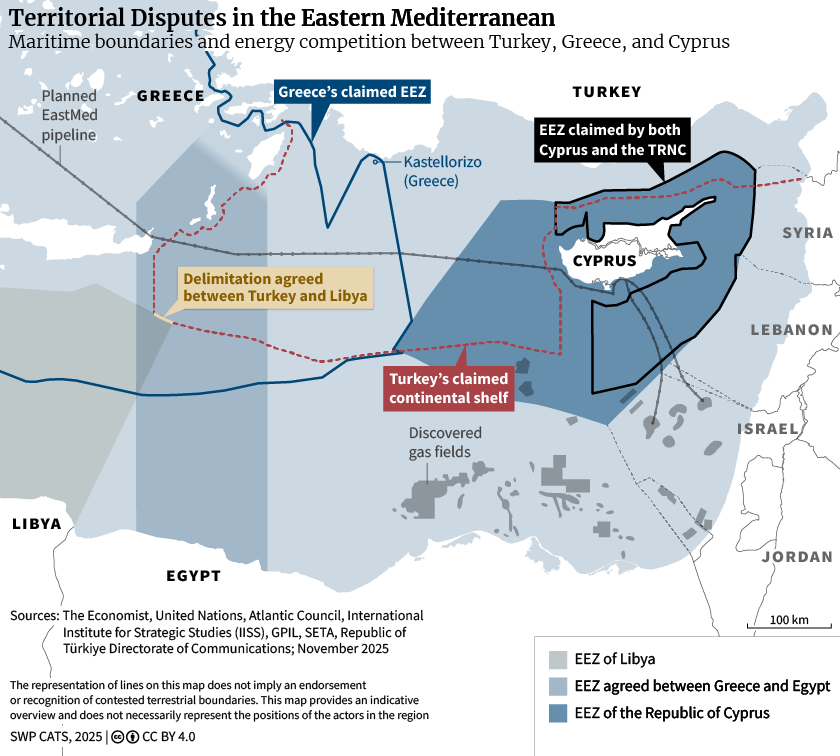
8. Eastern Mediterranean Offshore Dynamics
The Eastern Mediterranean remains a contested energy and geopolitical space.
Three structural pathways dominate:
- Exclusionary pipeline routes bypassing Turkey
- Regional integration through Turkey-based corridors
- LNG-based decentralized monetization
From an engineering and logistics standpoint, integration via Turkey remains the most cost-efficient long-term scenario, although politically constrained.[3]
9. Structural Transformation of Energy Security
Turkey’s energy system is transitioning from a dependency model to a resilience-based architecture.
Core pillars:
- Domestic hydrocarbon expansion (Gabar + Sakarya)
- Rapid renewable capacity growth
- LNG flexibility and storage expansion
- Nuclear baseload integration
- Grid modernization and regional trading capability
The key conceptual shift is from energy independence to managed interdependence under geopolitical volatility.
10. Conclusion
Turkey’s energy outlook in 2026 reflects the convergence of three structural forces:
- Global geopolitical fragmentation
- Rapid domestic electricity system expansion
- Emerging indigenous hydrocarbon production
Installed capacity exceeding 125 GW and annual generation exceeding 360 TWh demonstrate that Turkey is no longer a marginal energy system, but a large-scale regional power market.
However, despite strong growth in Gabar oil and Sakarya gas production, Turkey remains a net energy importer. The strategic challenge is therefore not resource discovery, but system integration—linking production, grids, storage, and markets into a coherent energy architecture.
In this context, Turkey’s energy future will depend less on resource abundance and more on institutional capacity, investment efficiency, and geopolitical navigation.
References
[1] TMMOB Chamber of Mechanical Engineers (MMO), Turkey’s Energy Outlook 2024 Report, ed. Oğuz Türkyılmaz et al., Ankara, 2024.
[2] Republic of Türkiye Ministry of Energy and Natural Resources, Electricity statistics (2025–April 2026), official energy information portal.
[3] Analysis based on MMO energy planning framework and Turkey’s evolving energy hub strategy.
[4] Republic of Türkiye Ministry of Energy and Natural Resources; parliamentary and official upstream production updates (Gabar oil and Sakarya gas developments, 2025–2026).
Haluk Direskeneli, is a graduate of METU Mechanical Engineering department (1973). He worked in public, private enterprises, USA Turkish JV companies (B&W, CSWI, AEP, Entergy). He is currently working as freelance consultant/ energy analyst with thermal power plants basic/ detail design software expertise for private engineering companies, investors, universities and research institutions. He is a member of Chamber of Turkish Mechanical Engineers Energy Working Group.

- Previous Russia transferred 528 bodies to Ukraine and received 41 in return
- Next The Amu Darya Stress Is a Test for Uzbekistan and Turkmenistan Agriculture
You may also like...




Random news




About us
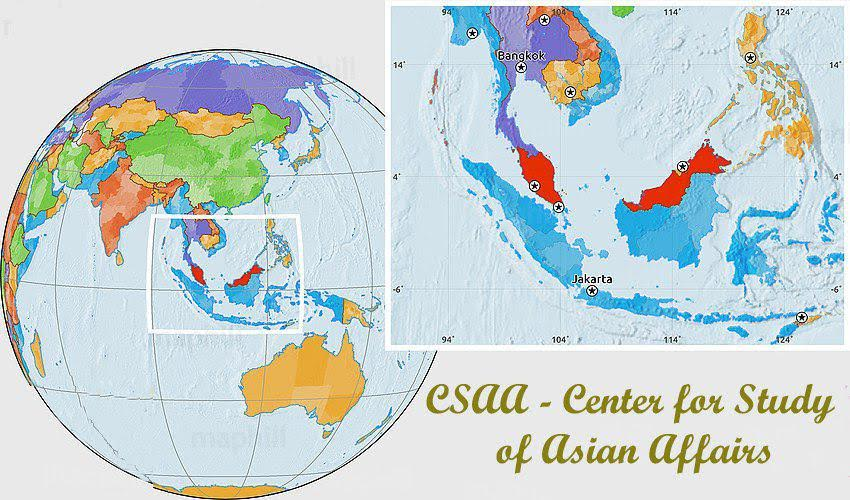
Our Newly established Center for study of Asian Affairs has
branches in Indonesia, Malaysia and Singapore, as well as freelances in some other countries.
For inquires, please contact: newsofasia.info@yahoo.com Mr.Mohd Zarif - Secretary of the Center and administer of the web-site www.newsofasia.net
Polls
 Loading ...