

Takaichi plans growth strategy with 370 trillion yen (S2.29 trln.) investments for AI and Semiconductors

By NAOFUMI ISHIKAWA/ Staff Writer
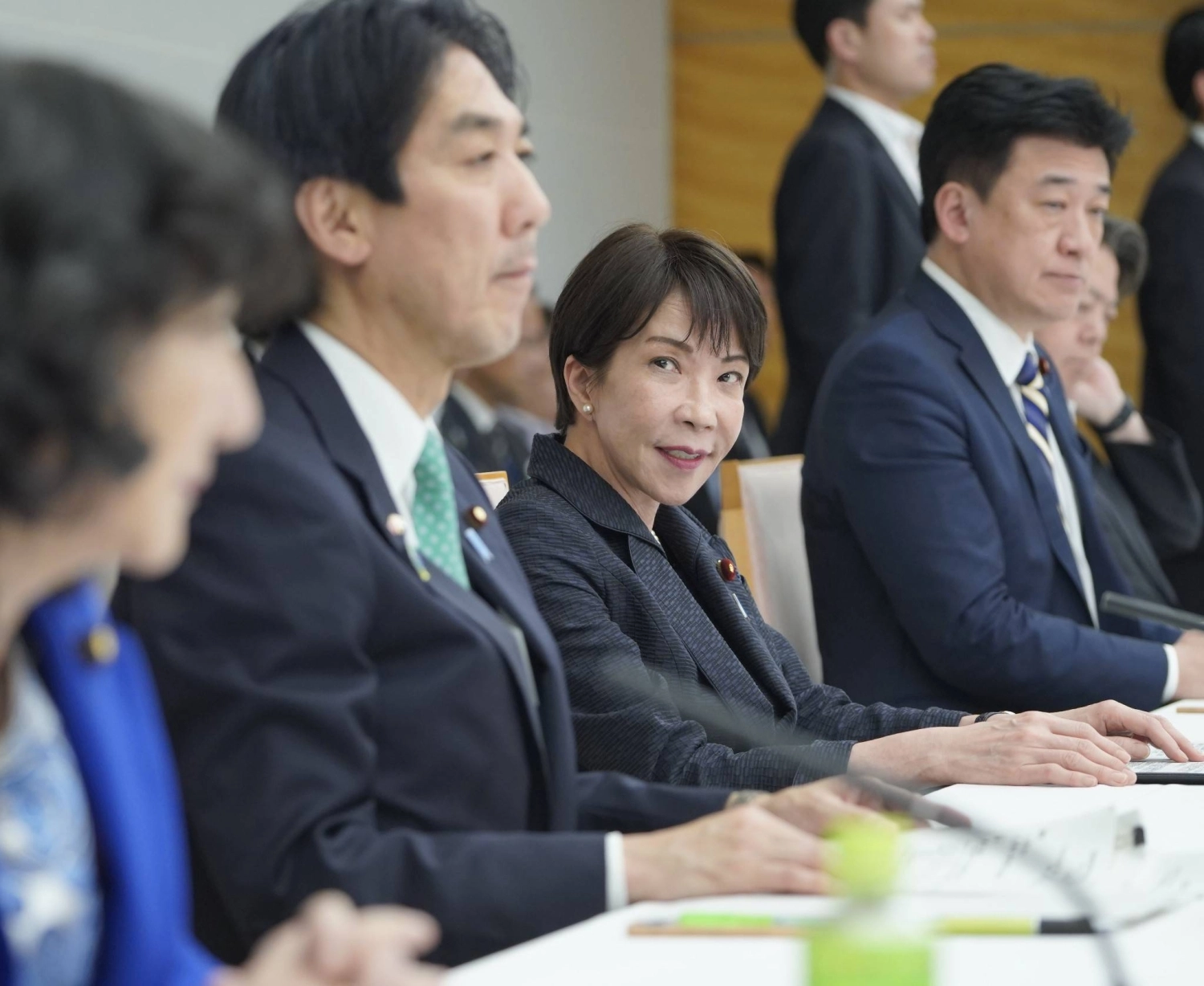
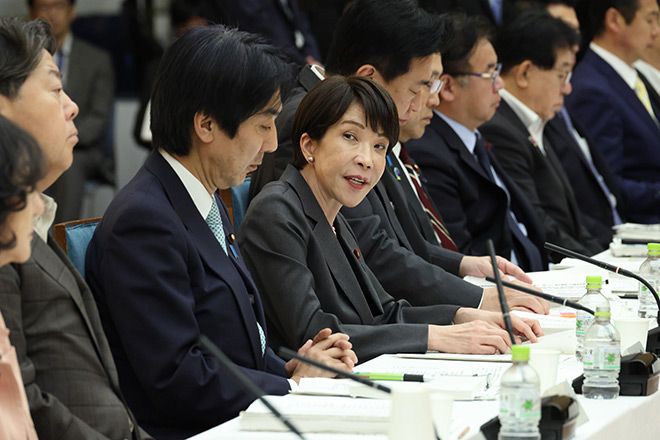 Prime Minister Sanae Takaichi, center, speaks during the joint meeting of the Council on Economic and Fiscal Policy and the Council for Japan’s Growth Strategy at the Prime Minister’s Office on June 24. (Takeshi Iwashita)
The government on June 24 announced details of Japan’s Growth Strategy that is topped by a public- and private-sector investment of 102 trillion yen ($630.7 billion) for artificial intelligence and semiconductors.
The overall strategy envisions total investment exceeding 370 trillion yen by fiscal 2040 across 17 sectors.
These sectors are further broken down into 62 products and technologies, each with projected investment amounts.
Under this strategy, the government assumes an additional 10 trillion yen in annual spending.
It also will establish a special investment framework to secure financing over multiple fiscal years, aiming to attract private investment through upfront government spending.
The plan was presented at a joint meeting of the Council on Economic and Fiscal Policy and the Council for Japan’s Growth Strategy on June 24.
The government positioned the plan as a road map for implementing the “crisis management and growth investment” agenda, a key policy of Prime Minister Sanae Takaichi.
In addition to AI and semiconductors, the government will also invest about 64 trillion yen for pharmaceutical development and advanced medical care through fiscal 2040, and 34 trillion yen for content industries such as gaming through fiscal 2033.
These figures represent combined public and private investment, though no breakdown between the two is provided.
During the meeting on that day, Takaichi announced the creation of a “strong and prosperous Japan” investment framework, to be managed separately from regular government expenditures.
Under this special framework, funding will be secured based on multi-year plans, and no upper limits will be set on budget requests from ministries and agencies.
Separate from the assumed additional annual spending of 10 trillion yen–described by the Cabinet Office as a “mechanical estimate”–another portion will be secured for multi-year investment in particularly important sectors.
The funding for this special category will be covered through government bonds backed by future redemption resources.
If private investment expands as the government expects, productivity is projected to improve through the adoption of AI and equipment upgrades.
Under this scenario, real economic growth is estimated to reach 1.0 percent by fiscal 2030 and 1.7 percent by fiscal 2035.
In that case, the ratio of government debt to GDP–used by the Takaichi administration as a key indicator of fiscal sustainability–would decline from 186.6 percent in fiscal 2026 to 174.0 percent in fiscal 2035, a decrease of 12.6 percentage points.
The government also expects the ratio to continue declining gradually beyond fiscal 2036.
On the other hand, if productivity gains stall after the initial five years, the decline in the debt-to-GDP ratio would halt in the latter half of the 2030s.
If productivity fails to improve, the ratio would begin rising again from fiscal 2031 and is projected to exceed the current level in the late 2030s.

- Previous “Uji Matcha” – The Japanese Tea Only: Japan to protect tea brand from overseas counterfeits
- Next Road to WTO: Uzbekistan Agrees Tariff Cuts for U.S. Goods
You may also like...





Random news












About us
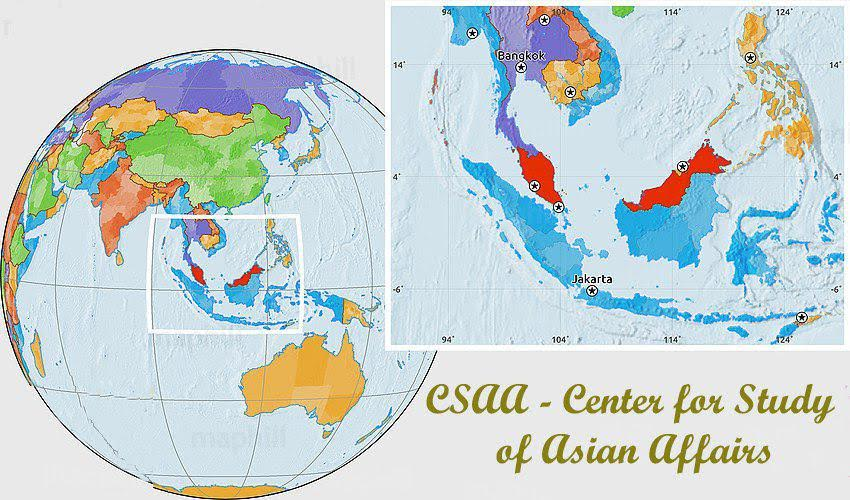
Our Newly established Center for study of Asian Affairs has
branches in Indonesia, Malaysia and Singapore, as well as freelances in some other countries.
For inquires, please contact: newsofasia.info@yahoo.com Mr.Mohd Zarif - Secretary of the Center and administer of the web-site www.newsofasia.net
Polls
 Loading ...