

Will Azeris acts carelessly, to drag Baku + Central Asian countries too, into war with Iran!?
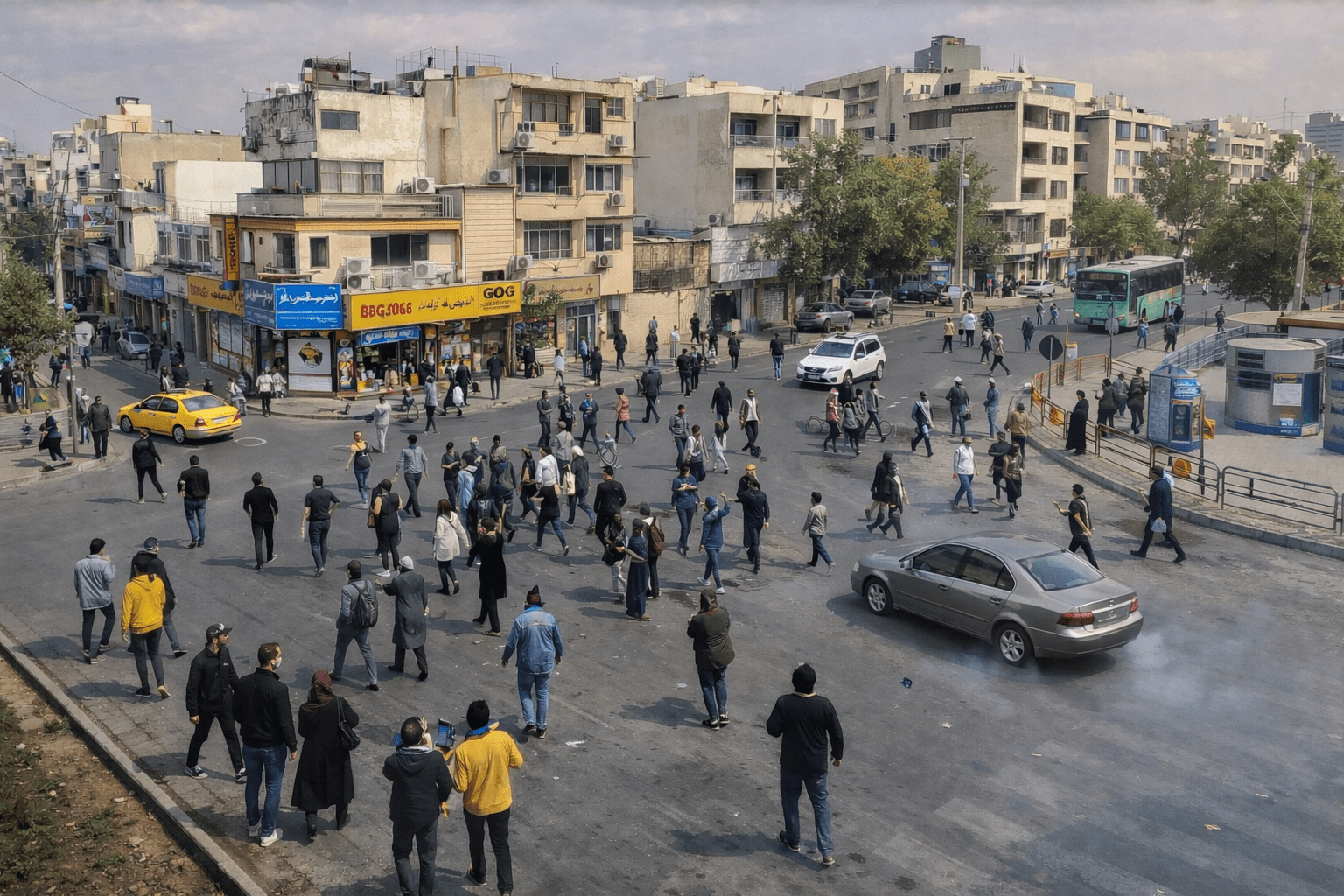
Artistic portrayal of protests in Iran; image: TCA, Stephen M. Bland
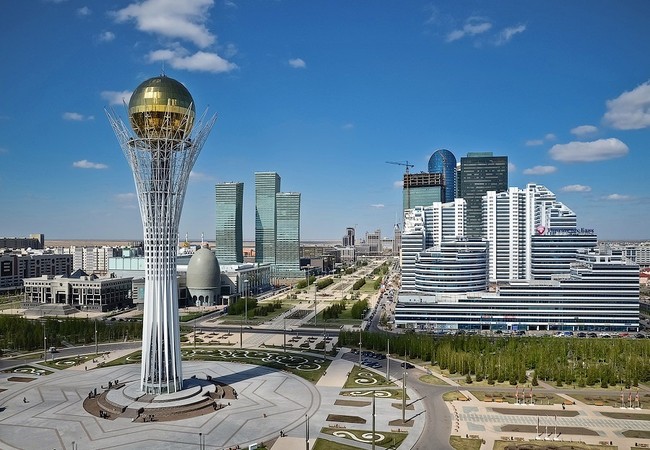
In an effort to coordinate responses to the Mideast conflict, the foreign ministers of the five Central Asian countries, as well as Azerbaijan, have spoken together by telephone about the widening crisis. The call marked one of the clearest signs yet that the Central Asian “C5” format is evolving beyond economic coordination into an operational diplomatic mechanism during external crises. While the group has met frequently in recent years with major partners, direct coordination over a fast-moving conflict on its periphery reflects a shift toward more structured regional crisis management.
The consultation also builds on the expansion last year of the Central Asian consultative format to include Azerbaijan, sometimes referred to as the “C6,” a shift that has increasingly aligned Caspian corridor strategy with regional diplomatic coordination.
“During the conversation, the ministers exchanged detailed views on the evolving military and political situation in the Middle East, noting the importance of maintaining close coordination and prompt interaction amid the crisis,” Kazakhstan’s Ministry of Foreign Affairs said on Monday.
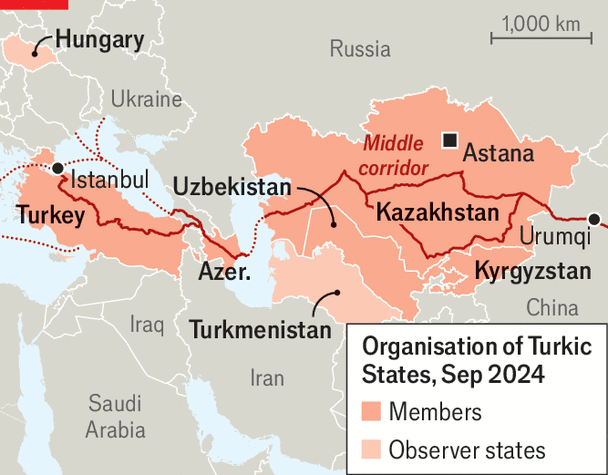
Foreign Minister Yermek Kosherbayev of Kazakhstan thanked his counterparts from Azerbaijan and Turkmenistan, which border Iran, for their help in the evacuations of people fleeing Iranian territory. U.S. and Israeli air strikes have hit targets across Iran, whose military has fired retaliatory waves of missiles and drones at Israel as well as U.S. military facilities and civilian areas in Gulf countries. Azerbaijan’s participation underscores its growing integration into Central Asia’s diplomatic orbit. As a Caspian state bordering Iran and a critical link in the Trans-Caspian International Transport Route, Baku has become an indispensable partner in both evacuation logistics and broader corridor security.
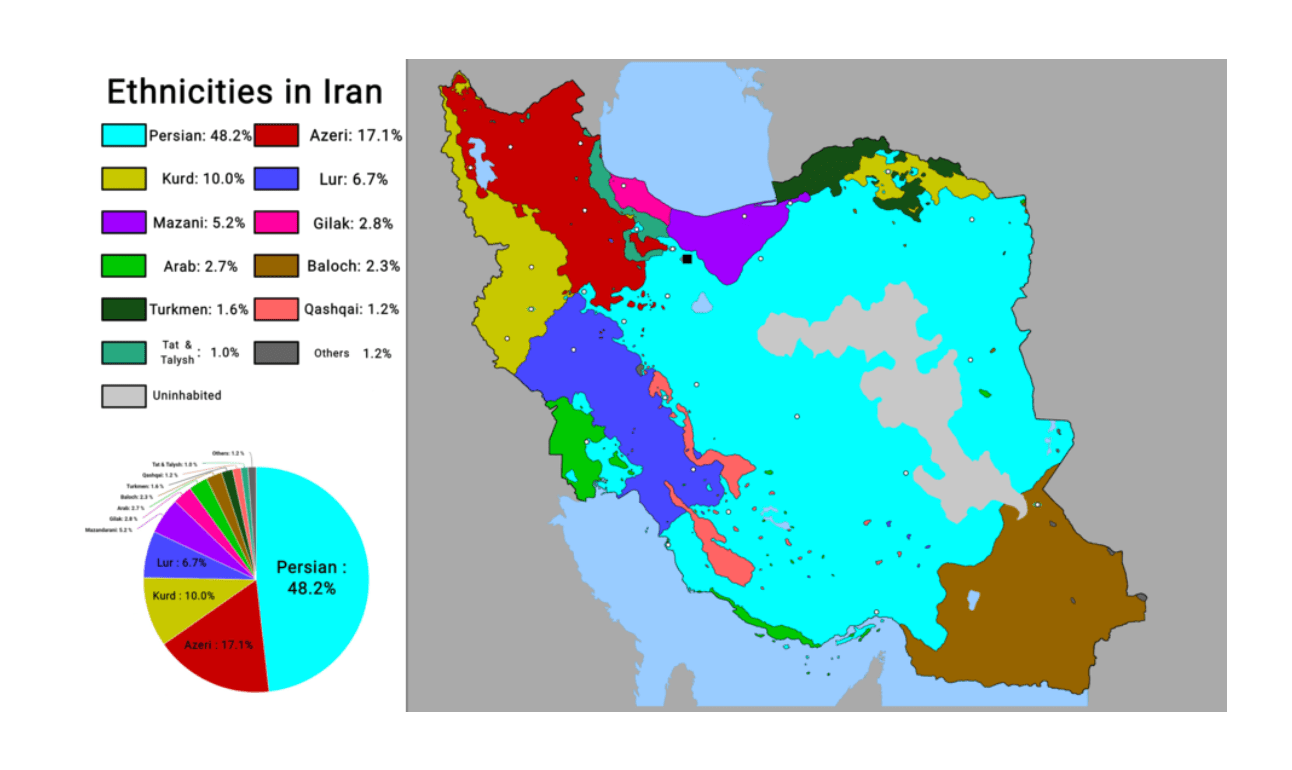
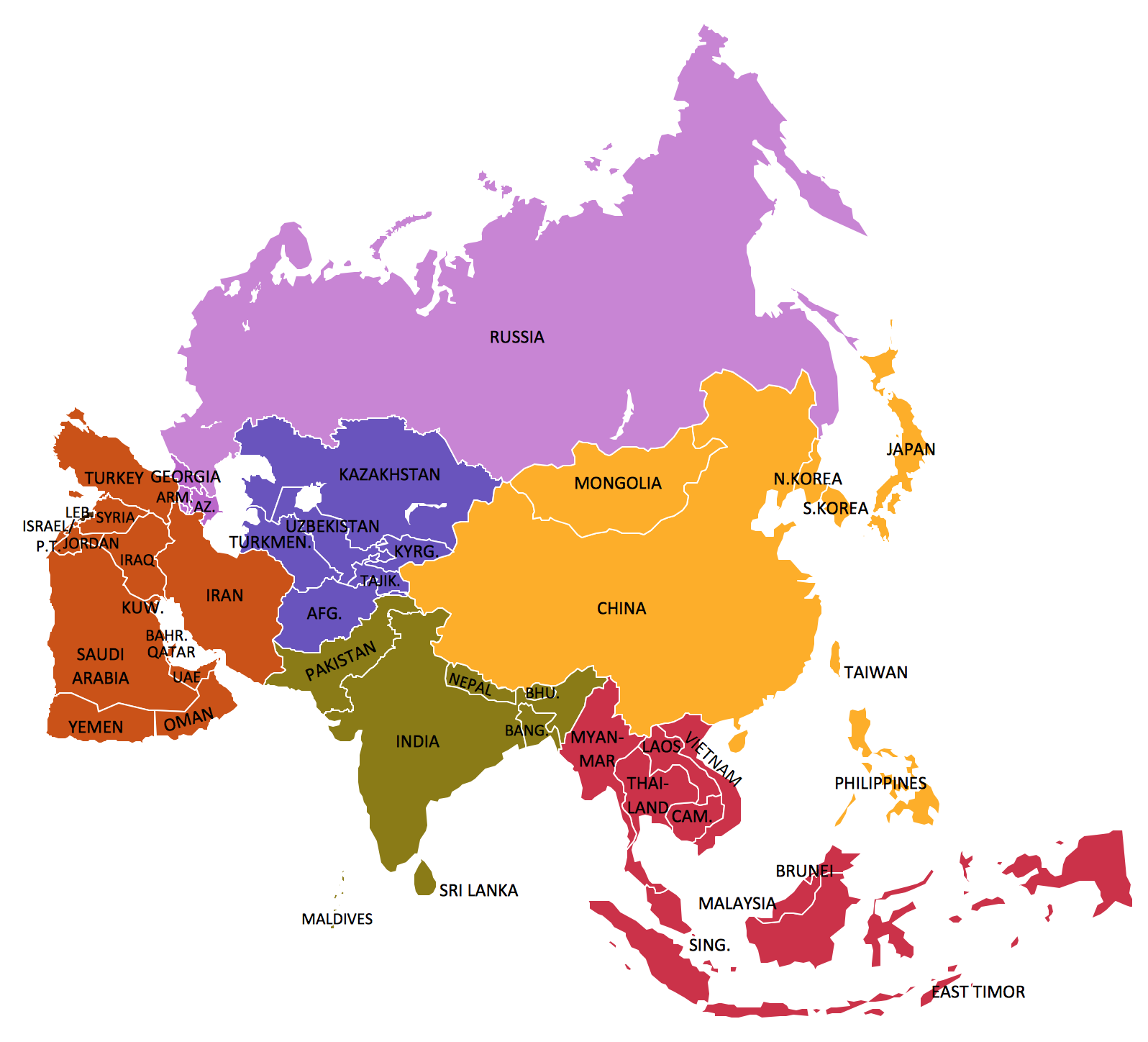
The call reflects growing cohesion among Kazakhstan, Kyrgyzstan, Tajikistan, Turkmenistan, Uzbekistan, and Azerbaijan. The region is seeking more robust trade routes linking Asia and Europe, while maintaining solidarity and balancing relationships with larger powers, including China, Russia, and the United States.
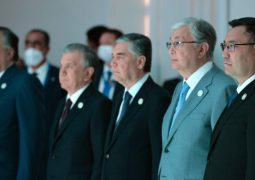
In addition to Kosherbayev, the foreign ministers on the call were Jeyhun Bayramov of Azerbaijan, Jeenbek Kulubaev of Kyrgyzstan, Sirojiddin Muhriddin of Tajikistan, Rashid Meredov of Turkmenistan, and Bakhtiyor Saidov of Uzbekistan.
The ministers said they were committed to political and diplomatic means as a way to solve conflicts.
“At the conclusion of the call, the parties expressed their readiness to continue providing the necessary support in organizing the possible evacuation of citizens, as well as to maintain close working contacts through the foreign ministries,” the statement from Kazakhstan stated.
Notably, the ministers’ language avoided assigning blame or aligning with any side in the conflict, instead emphasizing diplomacy and stability. That careful wording reflects the region’s longstanding strategy of balancing relations with Washington, Moscow, Beijing, and regional powers without being drawn into geopolitical confrontation.


- Previous Cheerleading China, calls Gulf states to unite against external interference amid widening war against Iran
- Next Started in 2011, Astana Light Rail Transit project, 1st Central Asia’s, still under construction. Now, Boeing Aircraft Maintenance Center in Under Construction: waiting game for another 15 years?
You may also like...



Random news







About us
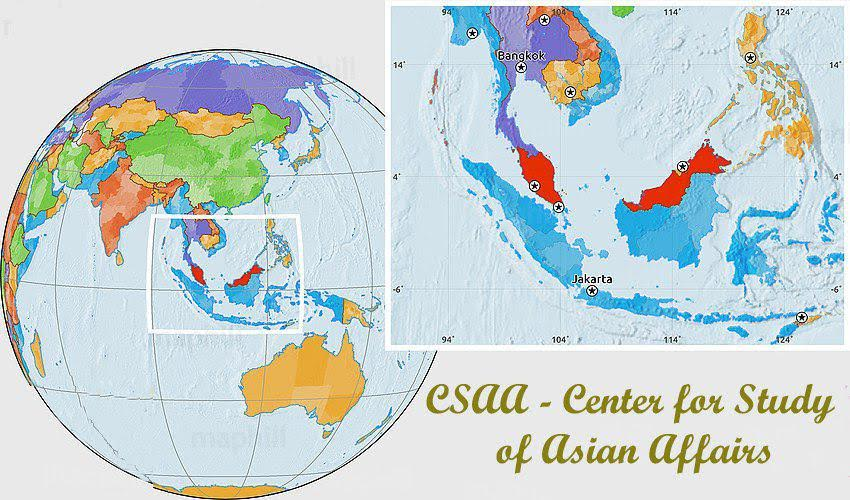
Our Newly established Center for study of Asian Affairs has
branches in Indonesia, Malaysia and Singapore, as well as freelances in some other countries.
For inquires, please contact: newsofasia.info@yahoo.com Mr.Mohd Zarif - Secretary of the Center and administer of the web-site www.newsofasia.net
Polls
 Loading ...